


Uzbekistan Tourism Plan Targets Caves and a Salt Mine
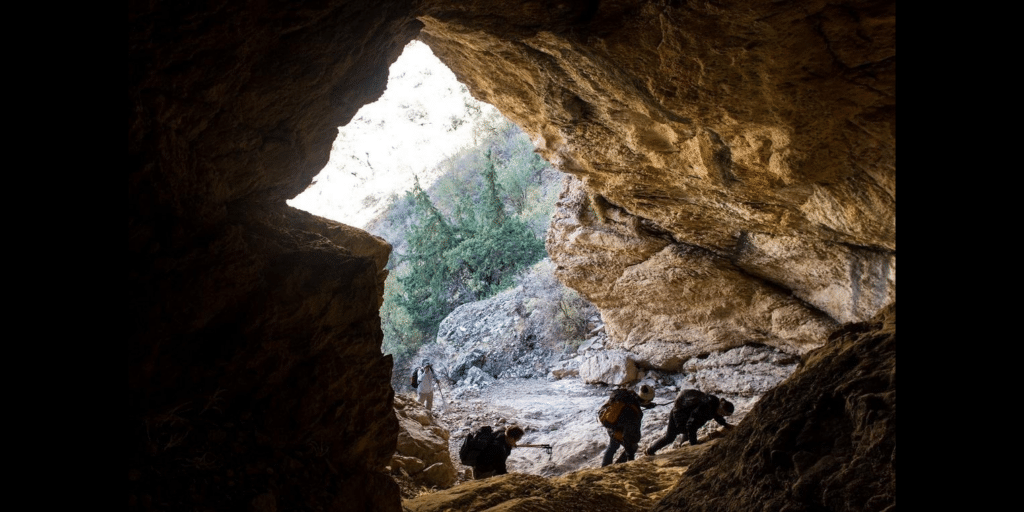
Uzbekistan has approved a plan to develop nine caves and a salt mine for tourism. The program announced by the Tourism Committee on October 5 covers development work through 2028 at sites in Jizzakh, Samarkand, Surkhandarya, and Kashkadarya. Alongside work on visitor routes, regional authorities are to help nearby residents establish family guesthouses, while local guides will be able to take specialist training courses. Travel and tourism contributed $8.3 billion to Uzbekistan’s economy in 2025, equivalent to 6% of GDP, according to World Travel & Tourism Council estimates. Annual forums for domestic and foreign investors are planned from 2027 to attract private funding. Boybuloq in southern Surkhandarya, one of the selected caves, has deep shafts and water-filled passages that make exploration technically demanding. Under the September 30 government resolution, the Ministry of Emergency Situations has three months to draft rules for visits, and a certification system for guides and instructors is due in June 2027. Among the other sites is Teshiktosh in the same region, where the discovery of a Neanderthal child’s remains in 1938 established the cave’s archaeological importance. Construction at sites with cultural heritage status will require approval from the Cultural Heritage Agency, while work in protected natural areas must be cleared by environmental authorities. Khojaikon, the selected salt mine in Sherabad district, has salt-coated galleries leading to an observation deck overlooking the Surkhandarya mountains. The roadmap sets April 2027 as the deadline for approving tourist routes. The completed visitor infrastructure is scheduled to enter service in January 2029.
