
• KGS/USD = 0.01143 0%
  • KZT/USD = 0.00206 0%
  • TJS/USD = 0.10811 -0.18%
  • UZS/USD = 0.00008 0%
  • TMT/USD = 0.28571 0%
  • KGS/USD = 0.01143 0%
  • KZT/USD = 0.00206 0%
  • TJS/USD = 0.10811 -0.18%
  • UZS/USD = 0.00008 0%
  • TMT/USD = 0.28571 0%
  • KGS/USD = 0.01143 0%
  • KZT/USD = 0.00206 0%
  • TJS/USD = 0.10811 -0.18%
  • UZS/USD = 0.00008 0%
  • TMT/USD = 0.28571 0%
  • KGS/USD = 0.01143 0%
  • KZT/USD = 0.00206 0%
  • TJS/USD = 0.10811 -0.18%
  • UZS/USD = 0.00008 0%
  • TMT/USD = 0.28571 0%
  • KGS/USD = 0.01143 0%
  • KZT/USD = 0.00206 0%
  • TJS/USD = 0.10811 -0.18%
  • UZS/USD = 0.00008 0%
  • TMT/USD = 0.28571 0%
  • KGS/USD = 0.01143 0%
  • KZT/USD = 0.00206 0%
  • TJS/USD = 0.10811 -0.18%
  • UZS/USD = 0.00008 0%
  • TMT/USD = 0.28571 0%
  • KGS/USD = 0.01143 0%
  • KZT/USD = 0.00206 0%
  • TJS/USD = 0.10811 -0.18%
  • UZS/USD = 0.00008 0%
  • TMT/USD = 0.28571 0%
  • KGS/USD = 0.01143 0%
  • KZT/USD = 0.00206 0%
  • TJS/USD = 0.10811 -0.18%
  • UZS/USD = 0.00008 0%
  • TMT/USD = 0.28571 0%

Viewing results 1 - 6 of 4

Remains of Buddhist Temple Unearthed in Ancient Silk Road City in Kyrgyzstan

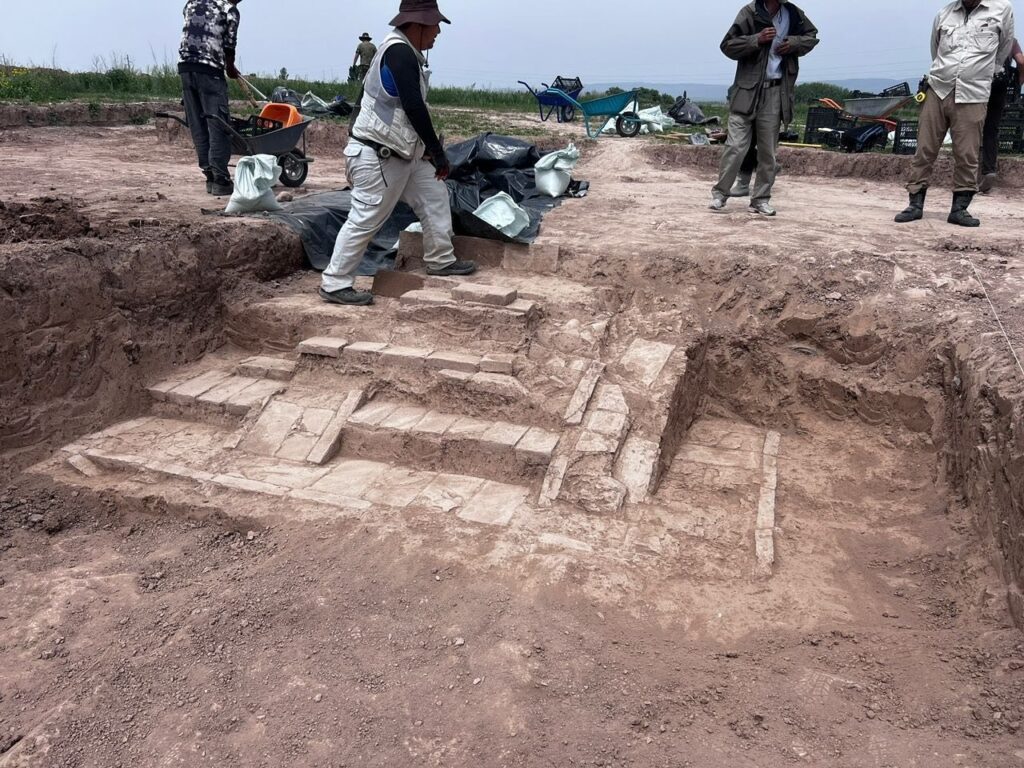
The remains of what is believed to be a Buddhist temple dating to the 7th and 8th centuries have been discovered at the medieval Ak-Beshim archaeological site, the ruins of the ancient Silk Road city of Suyab in northern Kyrgyzstan, according to the Ministry of Culture, Information, Sports and Youth Policy of the Kyrgyz Republic. Located seven kilometers southwest of Tokmok, Suyab was a major Silk Road city between the 5th and 8th centuries. It was the capital of the Western Turkic Khaganate and an important center for Sogdian merchants on the Chang’an-Tian Shan route, now part of a UNESCO World Heritage corridor. Chinese historical sources suggest that the celebrated poet Li Bai, born in 701 and believed to have died in 762 or 763, may have been born in Suyab. Suyab declined in the 11th century with the rise of Balasagun, another historic city in the Chui Valley located near the famed Burana Tower. The discovery was made by a Kyrgyz-Japanese archaeological expedition during excavations conducted since early May. Researchers uncovered a platform, ramp, and staircase constructed of baked brick. Experts believe these architectural elements are characteristic of temple architecture from China’s Tang Dynasty. The discovery also supports a hypothesis put forward by renowned Soviet archaeologist Alexander Bernshtam, who in the late 1940s suggested the existence of a Buddhist religious structure in the area. Archaeological work carried out in 2025-2026 has opened new chapters in the history of Buddhism in Suyab. Joint Kyrgyz-Japanese research at the site has been underway since 2012. Efforts are currently underway to reclassify the land where excavations are taking place as protected historical and cultural territory. If approved, authorities plan to establish an open-air museum at the site. It was previously reported that archaeologists had also uncovered what is believed to be the oldest Christian structure found in Kyrgyzstan, a Nestorian church dating to the 7th or 8th century. The Times of Central Asia previously reported that the Ministry of Culture, Information and Youth Policy of Kyrgyzstan and the Dunhuang Research Academy established a joint laboratory for cultural heritage preservation that will oversee conservation work at the Ak-Beshim archaeological site.

Kazakh Archaeologists Uncover Scythian-Era Treasures

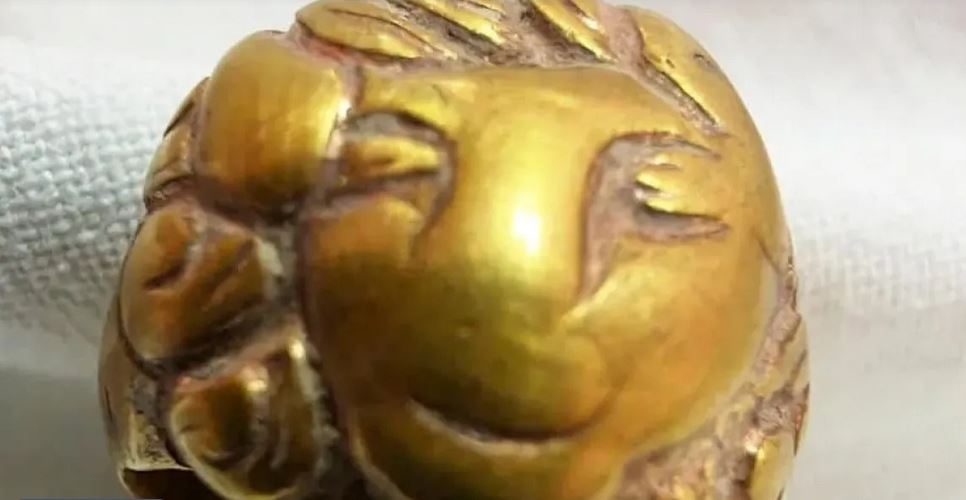
Archaeologists from Al-Farabi Kazakh National University have uncovered artifacts from the Scythian era in Kazakhstan’s Almaty region, including a rare gold ring weighing nearly eight grams. A Symbol of Power and Authority The excavations took place in the Uyghur district near the village of Togyzbulak and were led by Professor Dosbol Baigunakov, dean of the university’s history department. The team studied the Togyzbulak-1 and Togyzbulak-2 burial mound complexes, which contain more than 20 ancient burial sites. Among the most notable discoveries were burial mounds No. 3 and No. 4, which contained the remains of a man and a woman, along with ceramic vessels, iron and stone artifacts, and gold jewelry. The standout find was a gold ring engraved with a lion, a symbol of strength and authority. Researchers believe the image combines human and animal traits, reflecting the spiritual worldview of the Saka tribes in the 3rd-4th centuries BC. “These findings confirm that the territory of the modern Uyghur region was a cultural center of the Saka civilization,” the university said in a statement. Ruins of a Burned City [caption id="attachment_33402" align="aligncenter" width="931"] Image: Al-Farabi National University[/caption] Separately, a potentially groundbreaking discovery has been made in the Zhetysu region. Olga Gumirova, executive director of the Petroglyph Hunters Foundation, reported the discovery of ruins from a medieval city previously known only through historical texts. Archaeologists unearthed remnants of a tower, fragments of brick walls, and traces of fire, suggesting the city may have been destroyed during the Mongol invasion. While further research is ongoing, early comparisons are being drawn to the UNESCO World Heritage Sites of Talkhiz and Koylyk. A month earlier, archaeologists from the Saryarka Archaeological Institute discovered 25 historical and cultural sites in the Shet district of the Karaganda region. These include burial mounds, necropolises, and complexes dating to the Bronze Age, Iron Age, and Middle Ages. According to the institute’s director, Alexei Kukushkin, this marks the beginning of an extensive research campaign, with formal dating pending excavation approvals. The “Golden Man” and Buddhist Relics One of the most significant archaeological discoveries in recent years is the 2018 find in the Tarbagatay district of East Kazakhstan, where over 3,000 gold artifacts were unearthed in a burial site. Led by renowned archaeologist Zainolla Samashev, the expedition found women’s bell earrings, gemstone necklaces, and ornate horse adornments dating to the 7th-8th centuries BC, treasures of exceptional artistic and historical value. Another major discovery occurred in the Ayranada Gorge in the Merken district, where archaeologists found fragments of an ancient Buddhist temple and a carved stone head of Buddha. Anna Krokosheva, senior researcher at the Museum of Ancient Taraz, noted that the find reinforces the region’s historical importance along the Silk Road. Despite the site’s remote location at over 3,000 meters above sea level, the artifacts are well-preserved and could enhance scientific and cultural tourism in southern Kazakhstan.