
• KGS/USD = 0.01144 0%
  • KZT/USD = 0.00215 0%
  • TJS/USD = 0.10694 0%
  • UZS/USD = 0.00008 0%
  • TMT/USD = 0.28571 0%
  • KGS/USD = 0.01144 0%
  • KZT/USD = 0.00215 0%
  • TJS/USD = 0.10694 0%
  • UZS/USD = 0.00008 0%
  • TMT/USD = 0.28571 0%
  • KGS/USD = 0.01144 0%
  • KZT/USD = 0.00215 0%
  • TJS/USD = 0.10694 0%
  • UZS/USD = 0.00008 0%
  • TMT/USD = 0.28571 0%
  • KGS/USD = 0.01144 0%
  • KZT/USD = 0.00215 0%
  • TJS/USD = 0.10694 0%
  • UZS/USD = 0.00008 0%
  • TMT/USD = 0.28571 0%
  • KGS/USD = 0.01144 0%
  • KZT/USD = 0.00215 0%
  • TJS/USD = 0.10694 0%
  • UZS/USD = 0.00008 0%
  • TMT/USD = 0.28571 0%
  • KGS/USD = 0.01144 0%
  • KZT/USD = 0.00215 0%
  • TJS/USD = 0.10694 0%
  • UZS/USD = 0.00008 0%
  • TMT/USD = 0.28571 0%
  • KGS/USD = 0.01144 0%
  • KZT/USD = 0.00215 0%
  • TJS/USD = 0.10694 0%
  • UZS/USD = 0.00008 0%
  • TMT/USD = 0.28571 0%
  • KGS/USD = 0.01144 0%
  • KZT/USD = 0.00215 0%
  • TJS/USD = 0.10694 0%
  • UZS/USD = 0.00008 0%
  • TMT/USD = 0.28571 0%

Viewing results 1 - 6 of 25

Kazakhstan Introduces New Visa Categories to Attract Foreign Professionals

On February 18, 2025, Kazakhstan’s Ministry of Foreign Affairs hosted a briefing for representatives of the diplomatic community to highlight the country’s newly introduced visa categories: the Neo Nomad Visa, Digital Nomad Visa, and Residence Visa.  Kazakhstan updated its visa regulations in November 2024 to attract business immigrants, skilled professionals, and tourists. Among the key offerings is the Digital Nomad Visa, which provides long-term residence options for freelancers, self-employed entrepreneurs, IT specialists, and startup founders. Meanwhile, the Neo Nomad Visa is designed for foreign citizens who work remotely while traveling. Applicants for this visa must demonstrate a verified monthly income of at least $3,000 and provide health insurance and a clean criminal record. The Residence Visa is aimed at attracting foreign professionals with expertise in medicine, science, innovation, education, and the creative industries. It allows recipients to stay in Kazakhstan for up to 90 days. Kazakhstan’s Deputy Foreign Minister Roman Vassilenko emphasized that these new visa categories significantly expand opportunities for foreign nationals wishing to live and work in the country. "Our country provides the necessary conditions to attract international professionals by offering visa-free entry to citizens from more than 80 countries and a simplified electronic visa for 109 countries. By expanding air connectivity, Kazakhstan now operates over 700 international flights per week to more than 30 countries. Additionally, we are actively developing digital infrastructure, creating smart cities, and ensuring access to high-speed internet," he said. Vassilenko added that implementing a flexible visa policy benefits not only Kazakhstan but also its partners through tax revenues and remittances from remote professionals, as well as the skills and experience they acquire in the country. Kazakhstan’s Deputy Minister of Tourism and Sports, Yerzhan Yerkinbayev, highlighted the timeliness and relevance of these visa initiatives, adding: "Kazakhstan continues to strengthen its position as an open and accessible destination for international visitors. This commitment to openness has been a key factor in the growth of tourism. In 2024, 15.3 million people visited Kazakhstan, marking a 66% increase from the previous year."
Kyrgyz Businesses React With Cautious Optimism To Tax Amnesty

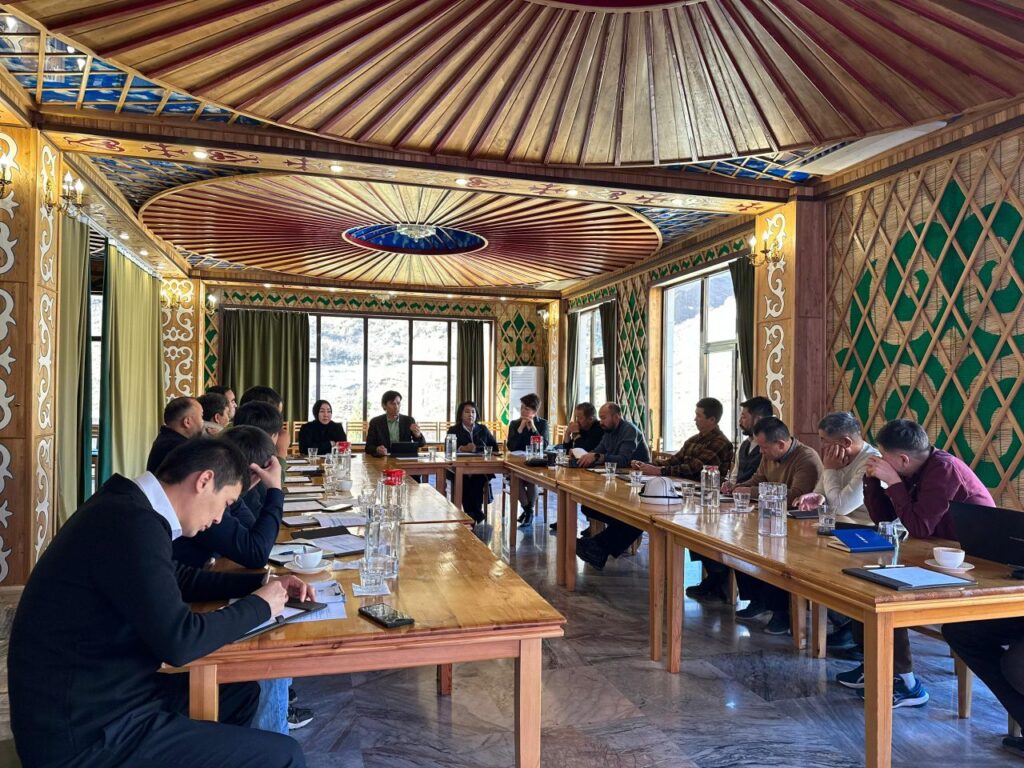
The Kyrgyz government has announced a tax amnesty aimed at easing the financial burden on businesses and reducing the workload of the State Tax Service (STS). However, local entrepreneurs have received the initiative with cautious optimism. As part of the amnesty, President Sadyr Japarov has decreed the exemption of taxes on agricultural land, the cancellation of private vehicle taxes for citizens, and the write-off of all tax debts accrued before January 1, 2022. The initiative has been met with mostly positive reactions from Kyrgyzstan’s business community. Entrepreneurs noted that many small and medium-sized enterprises in the country are burdened with significant debts to the state. They believe this measure has the potential to improve the business climate - provided the government maintains a stable and predictable tax policy. “Such decisions were likely made to support entrepreneurs during a challenging economic period, stimulate economic activity, and improve the overall state of business in the country. It could also be part of a broader strategy to foster trust between the government and the business community,” the JIA Business Association, one of Kyrgyzstan’s largest business groups, told the Times of Central Asia. By writing off debts, the JIA representatives said, the government will significantly ease the financial strain on businesses across various sectors. This would allow many entrepreneurs to focus on recovery and growth, particularly after the economic setbacks caused by the COVID-19 pandemic. Despite these positives, the association expressed concerns over the fairness of the tax amnesty. “We hope that the amnesty will also include those businesses that were declared debtors by court decisions, but remain unable to pay their debts to this day. Additionally, there are social businesses - such as those in education and healthcare - that are registered as non-profit organizations but still face tax burdens. Including these entities in the amnesty would ensure greater fairness and also ease the workload of the tax service,” a JIA spokesperson explained. However, under the presidential decree, businesses or individuals with tax debts resulting from court rulings are not eligible for the amnesty. The Kyrgyz presidential administration estimates that the amnesty will result in the write-off of approximately 11 billion KGS (around $126 million) in tax debts for over 20,000 businesses. But while this decision is welcomed by many, it has drawn criticism from some quarters. Market representatives argue that the amnesty may be unpopular among diligent taxpayers who have consistently fulfilled their tax obligations and do not owe the state. Nonetheless, they acknowledged that the government’s decision demonstrates a willingness to be flexible. This includes addressing other concerns, such as issues surrounding the introduction of electronic commodity invoices, which have been controversial among entrepreneurs. “In the past three years, there has been significant progress in reforming tax administration. We anticipate further reforms, such as limiting the application of electronic goods invoices (ETNs) to specific types of goods or simplifying their use for small and medium-sized businesses. Efforts to improve digital tools for businesses, streamline tax administration, and increase public and business...

Samsung TVs to Be Produced in Kazakhstan

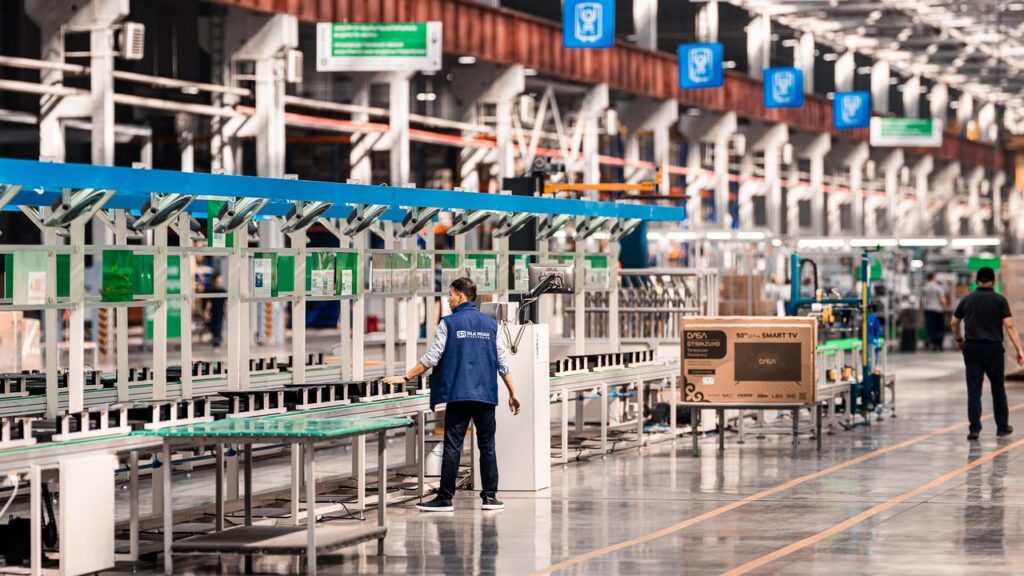
Silk Road Electronics and Samsung Electronics have signed an agreement to launch TV manufacturing in Kazakhstan. The partnership will manufacture Samsung's latest range of televisions, including premium models, to cater to demand in Kazakhstan and Central Asia. The new production line will be established at Silk Road Electronics' facility in Sarani, located in the Karaganda region. “Samsung Electronics, as a long-standing technology leader, is committed to being closer to its consumers. The launch of production in Kazakhstan will increase the availability of our products for the local market,” said Jong Yujin, President of Samsung Electronics Central Eurasia. The localization of production is expected to deliver significant benefits, including developing industrial infrastructure and creating new jobs. “We will provide world-class products at affordable prices for Kazakhstani consumers,” added Alexander Kritsky, Director of Silk Road Electronics, emphasizing the importance of the collaboration. The project, supported by the Industry Development Fund, is set to commence operations in the second quarter of 2025, with Kazakhstani-made TVs expected to hit the market in the latter half of the year. Silk Road Electronics operates on the premises of the former Karagandarezinotechnika plant, which spans over 61,000 square meters. Approximately 25 billion tenge was invested in modernizing the facility. The plant’s primary owner is the Uzbek company Artel, known for producing various household appliances under its brand, including TVs, washing machines, and stoves. Artel partners with Meridian Company and SPK Saryarka. Meridian Company is owned by Andrei Lavrentiev, who also leads Qarmet. Previously, Samsung Electronics announced its plans to establish the production of washing machines at the Saran plant.
