• KGS/USD = 0.01144 0%
  • KZT/USD = 0.00216 0%
  • TJS/USD = 0.10698 0%
  • UZS/USD = 0.00008 0%
  • TMT/USD = 0.28530 0%
  • KGS/USD = 0.01144 0%
  • KZT/USD = 0.00216 0%
  • TJS/USD = 0.10698 0%
  • UZS/USD = 0.00008 0%
  • TMT/USD = 0.28530 0%
  • KGS/USD = 0.01144 0%
  • KZT/USD = 0.00216 0%
  • TJS/USD = 0.10698 0%
  • UZS/USD = 0.00008 0%
  • TMT/USD = 0.28530 0%
  • KGS/USD = 0.01144 0%
  • KZT/USD = 0.00216 0%
  • TJS/USD = 0.10698 0%
  • UZS/USD = 0.00008 0%
  • TMT/USD = 0.28530 0%
  • KGS/USD = 0.01144 0%
  • KZT/USD = 0.00216 0%
  • TJS/USD = 0.10698 0%
  • UZS/USD = 0.00008 0%
  • TMT/USD = 0.28530 0%
  • KGS/USD = 0.01144 0%
  • KZT/USD = 0.00216 0%
  • TJS/USD = 0.10698 0%
  • UZS/USD = 0.00008 0%
  • TMT/USD = 0.28530 0%
  • KGS/USD = 0.01144 0%
  • KZT/USD = 0.00216 0%
  • TJS/USD = 0.10698 0%
  • UZS/USD = 0.00008 0%
  • TMT/USD = 0.28530 0%
  • KGS/USD = 0.01144 0%
  • KZT/USD = 0.00216 0%
  • TJS/USD = 0.10698 0%
  • UZS/USD = 0.00008 0%
  • TMT/USD = 0.28530 0%

Viewing results 1 - 6 of 10

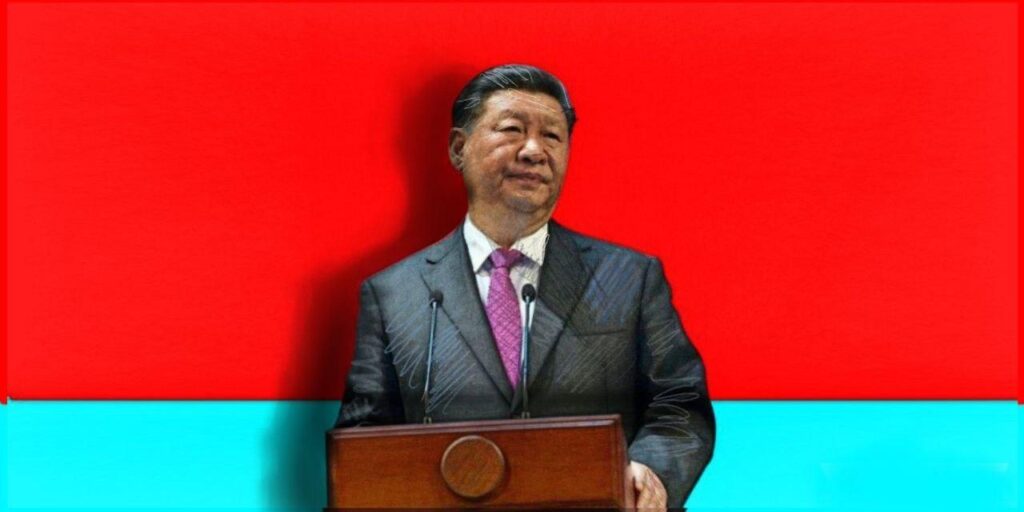
Opinion: Xi Jinping Heads to Astana – What’s at Stake in the Central Asia-China Summit?

On June 16-17, President Xi Jinping of the People’s Republic of China will visit Kazakhstan. The second Central Asia-China summit is scheduled for June 17 in Astana. Leading up to the event, a series of forums, meetings, and conferences have been unfolding across Central Asia and China, drawing experts, journalists, diplomats, and energy-sector representatives. These activities suggest that the upcoming summit is poised to overshadow its predecessor. While U.S. analysts continue debating the viability of their own C5+1 framework for engaging with Central Asia, and the European Union advanced its outreach with the inaugural EU-Central Asia summit, China has relied on a well-worn path. The thousand-year legacy of the Middle Kingdom is filled with moments when it had to engage with the complex mosaic of Central Asia, once a turbulent region of khanates, emirates, and nomadic tribes. Despite the chaos, China succeeded in carving out a secure overland corridor, the Great Silk Road, which threaded through what are now the independent Central Asian republics, linking them like beads in a continental necklace. Then, as now, China is seeking stability in the region, not just for political influence but to safeguard its global supply chains. Beijing’s modern initiatives, including the Belt and Road Initiative and its broader “community of shared future” concept, aim to establish global “islands of comfort” conducive to Chinese interests.  At the heart of this strategy lies a deeply embedded worldview: that China represents civilization itself. The Chinese learned long ago to deal with their neighbors not with violence, but through economic incentives, a method which is proving just as effective today. This layer of understanding is notably absent in many Western and post-Soviet analyses of China’s actions in Central Asia, the Middle East, Africa, and beyond. The reasons for this are twofold. First, Chinese officials are careful never to state views about cultural hierarchies explicitly; doing so would risk alienating partners. This reticence is a feature of traditional Eastern diplomacy. Second, Beijing has cultivated its own expert ecosystem within the post-Soviet sphere. In response to a wave of Sinophobia that swept through Central Asia a decade ago, China now primarily engages with favorable media outlets and Sinologists, many of whom are nurtured through carefully managed media tours. One such tour, organized by People’s Daily, is currently underway ahead of the Astana summit. As a result, the discourse surrounding the summit is shaped less by hard policy proposals than by diplomatic pageantry, with everything presented in the best possible light. At the recent 5th Forum of Think Tanks, “Central Asia-China: New Horizons for Regional Partnership,” Kazakhstan's State Councilor Yerlan Karin likened China and Central Asia to “the two lungs of Asia,” emphasizing the symbolic depth of their growing relationship. The 6th Central Asia-China Foreign Ministers’ Meeting, chaired by Chinese Foreign Minister Wang Yi and held in Almaty in April, likewise offered little in terms of concrete summit outcomes. According to a general statement from Kazakhstan’s Foreign Ministry, topics included political dialogue, trade, connectivity, sustainable development, and security cooperation,...

China and Central Asia Deepen Ties at Almaty Foreign Ministers’ Meeting

The sixth meeting of foreign ministers in the “Central Asia-China” format was held in Almaty, attended by the foreign ministers of Kazakhstan (Murat Nurtleu), China (Wang Yi), Kyrgyzstan (Jeenbek Kulubaev), Tajikistan (Sirojiddin Muhriddin), Uzbekistan (Bakhtiyor Saidov), and a representative of Turkmenistan.  The main topics of discussion included strengthening political dialogue, expanding trade and economic ties, enhancing transport interconnectivity, and jointly countering global challenges. The ministers also addressed sustainable development and environmental security, outlining steps to improve the architecture of multilateral cooperation based on the principles of equality and mutual respect. A key item on the agenda was preparation for the second China-Central Asia Summit scheduled for this year. The foreign ministers engaged in in-depth political coordination and exchanged views on expanding cooperation across various fields. Challenges of Globalization and China's Position Chinese Foreign Minister Wang Yi expressed concern over growing trends of anti-globalization and protectionism. He criticized the United States for launching a “tariff war” against more than 180 countries, stating that it had undermined international trade rules and the stability of the world economy.  "China will consistently promote a high degree of openness, share opportunities with the world, and take responsibility for upholding international norms," Wang Yi emphasized. China proposed five areas for deepening cooperation with Central Asia: building political trust, promoting trade and investment, improving cooperation mechanisms, jointly celebrating historical anniversaries, and developing humanitarian ties. Positions of the Central Asian Countries The Central Asian foreign ministers highly supported China's proposal to build a "community of common destiny" and expressed intentions to intensify joint efforts under the Belt and Road Initiative. Particular attention was paid to facilitating trade, enhancing transportation connectivity, boosting industrial investment, and promoting agricultural development. The ministers reaffirmed their commitment to combating the "three forces of evil", terrorism, extremism, and separatism and to strengthening cooperation within the United Nations framework. A joint communiqué was adopted following the meeting, reaffirming the parties' commitment to good-neighborliness, sustainable development, and deepening partnership.  Kazakhstan at the Center of Integration Processes Kazakhstan’s Foreign Minister Murat Nurtleu highlighted that the leaders of Central Asian countries had set clear guidelines for cooperation in trade, energy, transport logistics, education, and science.  "In 2024, trade turnover between Central Asia and China reached a record $95 billion, with Kazakhstan accounting for 46% of that total," Nurtleu said. He noted that combining the region’s potential with China’s economic opportunities paves the way for a new architecture of strategic partnership. Plans to launch tourist railway routes between China and Central Asian countries were also discussed, and 2025 was declared the Year of Tourism of Uzbekistan in China. Bilateral Meetings on the Margins of the Event On the sidelines of the forum, Wang Yi held separate meetings with his counterparts from Kyrgyzstan, Tajikistan, and Uzbekistan.  With Kyrgyz Foreign Minister Jeenbek Kulubaev, Wang discussed expanding practical cooperation and accelerating the China-Kyrgyzstan-Uzbekistan railway project. Talks with Tajik Foreign Minister Sirojiddin Muhriddin focused on strengthening strategic partnership and promoting initiatives within the Belt and Road framework. With Uzbek Foreign Minister Bakhtiyor Saidov,...