• KGS/USD = 0.01144 0%
  • KZT/USD = 0.00205 0%
  • TJS/USD = 0.10722 0%
  • UZS/USD = 0.00008 0%
  • TMT/USD = 0.28490 0%
  • KGS/USD = 0.01144 0%
  • KZT/USD = 0.00205 0%
  • TJS/USD = 0.10722 0%
  • UZS/USD = 0.00008 0%
  • TMT/USD = 0.28490 0%
  • KGS/USD = 0.01144 0%
  • KZT/USD = 0.00205 0%
  • TJS/USD = 0.10722 0%
  • UZS/USD = 0.00008 0%
  • TMT/USD = 0.28490 0%
  • KGS/USD = 0.01144 0%
  • KZT/USD = 0.00205 0%
  • TJS/USD = 0.10722 0%
  • UZS/USD = 0.00008 0%
  • TMT/USD = 0.28490 0%
  • KGS/USD = 0.01144 0%
  • KZT/USD = 0.00205 0%
  • TJS/USD = 0.10722 0%
  • UZS/USD = 0.00008 0%
  • TMT/USD = 0.28490 0%
  • KGS/USD = 0.01144 0%
  • KZT/USD = 0.00205 0%
  • TJS/USD = 0.10722 0%
  • UZS/USD = 0.00008 0%
  • TMT/USD = 0.28490 0%
  • KGS/USD = 0.01144 0%
  • KZT/USD = 0.00205 0%
  • TJS/USD = 0.10722 0%
  • UZS/USD = 0.00008 0%
  • TMT/USD = 0.28490 0%
  • KGS/USD = 0.01144 0%
  • KZT/USD = 0.00205 0%
  • TJS/USD = 0.10722 0%
  • UZS/USD = 0.00008 0%
  • TMT/USD = 0.28490 0%

Viewing results 1 - 6 of 6

Kazakhstan Rules Out Fines for Not Voting in Elections

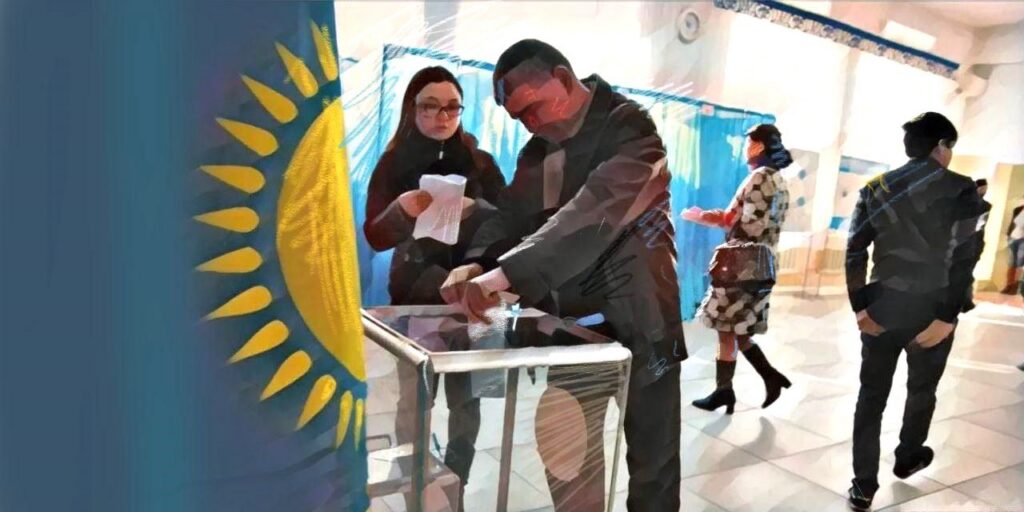
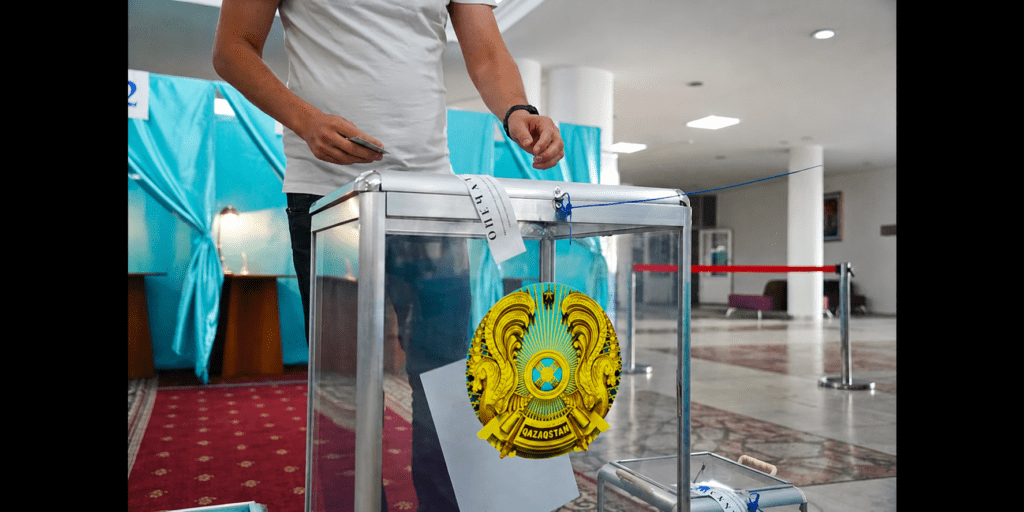
Kazakhstan does not plan to introduce compulsory voting or impose fines on citizens who fail to participate in elections and referendums, Central Election Commission (CEC) Secretary Shavkat Utemisov said. Speaking on the sidelines of a joint session of parliament, Utemisov acknowledged that declining voter participation, particularly among young people, remains a challenge in Kazakhstan. He said, however, that the country does not intend to adopt practices used in some states where voting is mandatory. Utemisov added that some countries have lowered the voting age, citing Belgium, while others impose penalties, including fines, on citizens who fail to appear at polling stations. “But Kazakhstan is not taking that path at the moment; for us, this issue is not as pressing as it is in the West,” he said. Kazakhstan’s most recent major electoral event was the constitutional referendum held on March 15. According to the CEC, approximately 12.4 million citizens were eligible to vote, while more than 9.1 million cast ballots, a turnout of 73.12%. The next major political event will be elections to Kazakhstan’s new unicameral parliament, the Kurultai, which President Kassym-Jomart Tokayev previously said would take place in August. Utemisov stressed that draft amendments to the Constitutional Law “On Elections,” adopted by the outgoing parliament, contain no provisions introducing mandatory voting. According to him, the CEC also has no plans to initiate such amendments in the near future. The election official added that ensuring voter turnout should be the responsibility of political parties participating in campaigns. At the same time, he warned that any attempts to encourage participation through cash payments or gifts could be interpreted as voter bribery. During the joint parliamentary session, lawmakers also approved the Constitutional Law “On the Kurultai of the Republic of Kazakhstan and the Status of Its Deputies,” which will enter into force on July 1. The new parliament will consist of 145 deputies, compared to the current bicameral legislature, which includes 148 members, 98 deputies in the Mazhilis and 50 senators.  Deputies in the Kurultai will serve five-year terms. Elections will be held exclusively under a proportional representation system based on party lists. “The draft law defines the place of the Kurultai within the system of state authorities, the principles of its operation, its structure, the procedure for its formation, and the mechanisms for exercising its powers,” Mazhilis deputy Aidos Sarym said. According to Sarym, the legislation also establishes the powers of the new parliament to adopt laws, participate in the formation of state bodies, and conduct parliamentary oversight. A separate provision states that the Kurultai will become the legal successor to the current parliament. The Times of Central Asia previously reported that the August vote will become Kazakhstan’s first parliamentary election in which citizens vote exclusively for political parties rather than individual candidates.

Kyrgyzstan to Open 100 Overseas Polling Stations for 2025 Parliamentary Elections

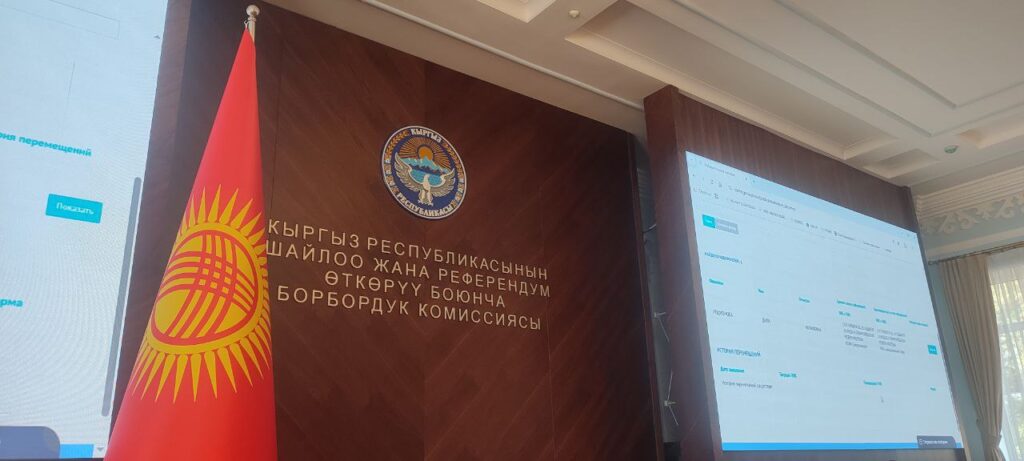
The Central Election Commission and Referenda (CEC) of Kyrgyzstan will open 100 polling stations abroad for the parliamentary elections scheduled for November 30, 2025, nearly double the number established during the previous election cycle, when 51 polling stations operated globally. The announcement was made by CEC Chairman Tynchtyk Shainazarov during a press conference in Bishkek. According to Shainazarov, the largest number of polling stations will be set up in Russia, 40 in total, including seven in Moscow and others across major Russian cities. Approximately 400,000 Kyrgyz citizens are officially registered as residing in Russia, the highest figure among all foreign countries. Additional polling stations will be opened in Turkey (8), the United States (6, including two in Chicago), South Korea (4), Italy (3), and in Germany and China (2 each). Several other capital cities worldwide will also host single polling stations. Shainazarov noted that the CEC has already dispatched five teams to Russian cities to conduct trial runs of the voting process. Test elections will be held on October 10, 20, and 30 in both Kyrgyzstan and Russia to identify potential technical or procedural issues. “I urge our citizens living in Russia to come and observe how the new system will function, how the equipment operates and how it prints ballots corresponding to the voter’s home district. Seeing the process firsthand will help people understand how the upcoming elections will be conducted,” Shainazarov said. Responding to a question from The Times of Central Asia about whether Kyrgyz citizens abroad would be able to vote remotely, Shainazarov confirmed that remote (electronic) voting has been fully suspended for the 2025 parliamentary elections. The decision, he said, was made to reduce the risk of vote-buying and electoral manipulation. “Electronic voting allows people to vote from home using a smartphone. Technically and legally, we are ready for it, but the risk of vote-buying remains too high; a candidate could pay voters and verify how they voted. That is unacceptable,” he explained. An exception will be made for voters who are physically unable to travel to polling stations due to medical reasons. In such cases, election commission staff will visit voters at home with the necessary equipment, provided a prior request is submitted to the CEC. This year’s elections will also introduce a new voting system: ballots for candidates from different constituencies will be printed directly at polling stations. According to the CEC, this measure is intended to help prevent ballot fraud and enhance transparency.