• KGS/USD = 0.01144 0%
  • KZT/USD = 0.00215 0%
  • TJS/USD = 0.10562 0%
  • UZS/USD = 0.00008 0%
  • TMT/USD = 0.28530 0%
  • KGS/USD = 0.01144 0%
  • KZT/USD = 0.00215 0%
  • TJS/USD = 0.10562 0%
  • UZS/USD = 0.00008 0%
  • TMT/USD = 0.28530 0%
  • KGS/USD = 0.01144 0%
  • KZT/USD = 0.00215 0%
  • TJS/USD = 0.10562 0%
  • UZS/USD = 0.00008 0%
  • TMT/USD = 0.28530 0%
  • KGS/USD = 0.01144 0%
  • KZT/USD = 0.00215 0%
  • TJS/USD = 0.10562 0%
  • UZS/USD = 0.00008 0%
  • TMT/USD = 0.28530 0%
  • KGS/USD = 0.01144 0%
  • KZT/USD = 0.00215 0%
  • TJS/USD = 0.10562 0%
  • UZS/USD = 0.00008 0%
  • TMT/USD = 0.28530 0%
  • KGS/USD = 0.01144 0%
  • KZT/USD = 0.00215 0%
  • TJS/USD = 0.10562 0%
  • UZS/USD = 0.00008 0%
  • TMT/USD = 0.28530 0%
  • KGS/USD = 0.01144 0%
  • KZT/USD = 0.00215 0%
  • TJS/USD = 0.10562 0%
  • UZS/USD = 0.00008 0%
  • TMT/USD = 0.28530 0%
  • KGS/USD = 0.01144 0%
  • KZT/USD = 0.00215 0%
  • TJS/USD = 0.10562 0%
  • UZS/USD = 0.00008 0%
  • TMT/USD = 0.28530 0%

Viewing results 1 - 6 of 18

Tokayev Congratulates Péter Magyar on Victory in Hungary’s Parliamentary Elections

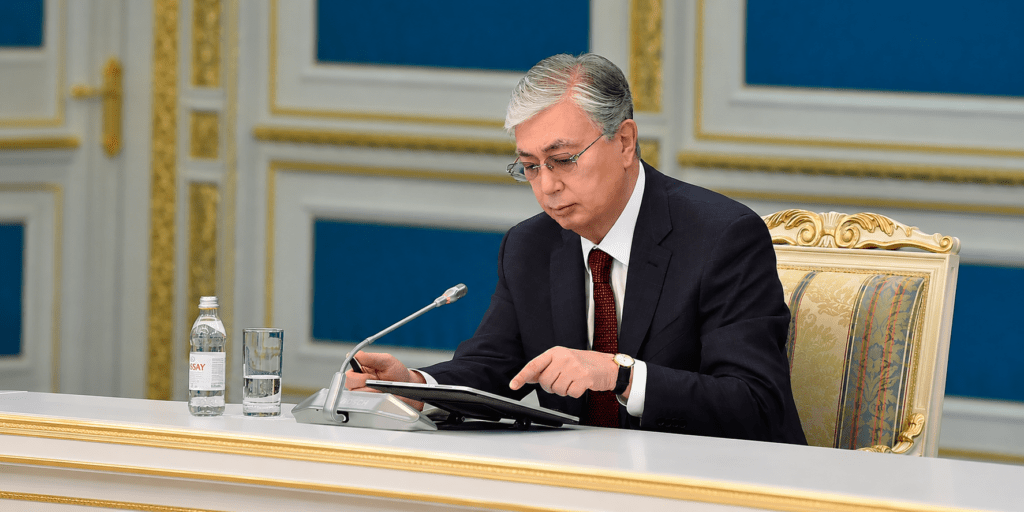
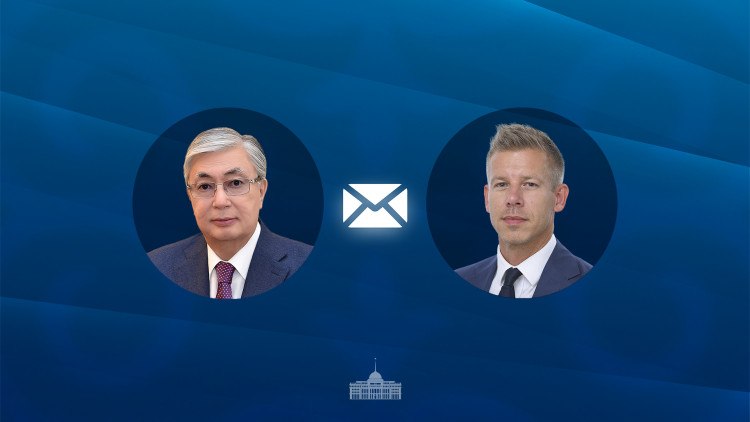
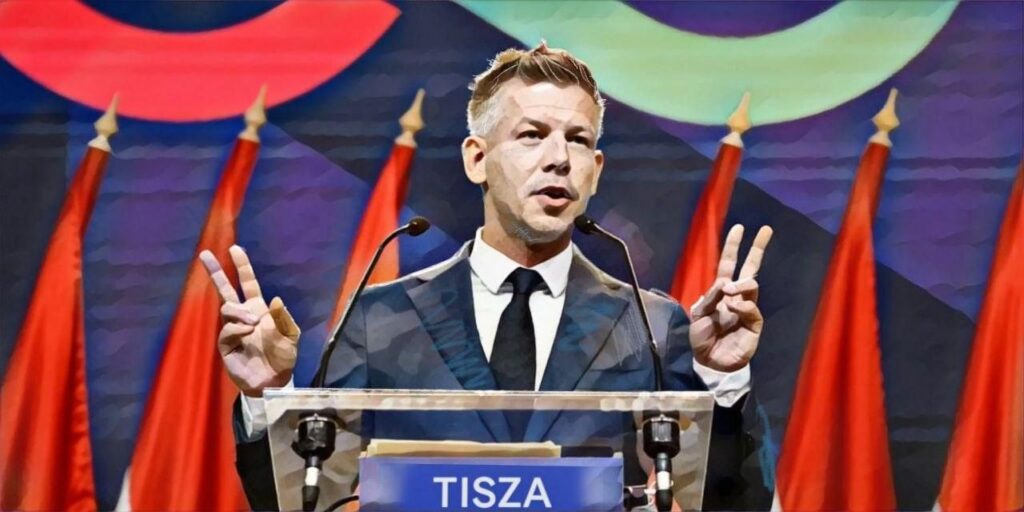
Kazakhstan's President Kassym-Jomart Tokayev has sent a congratulatory telegram to Péter Magyar, leader of the TISZA party, following his victory in Hungary’s parliamentary elections. According to the presidential press service, Tokayev noted that the election results reflect a high level of public trust in the TISZA party and its program and expressed confidence in Hungary’s continued sustainable development. Tokayev emphasised that Astana attaches great importance to strengthening its strategic partnership with Budapest, reaffirming readiness to expand bilateral cooperation for the benefit of both countries. He also wished Magyar success in his new role, along with prosperity and well-being for the Hungarian people. So far, there have been no reports of congratulatory messages from other Central Asian leaders addressed to Hungary’s new leadership. Hungary’s political transition following the defeat of Viktor Orbán’s party and his resignation has drawn attention not only in the European Union and the U.S., but also in Central Asia, where Budapest has actively developed economic and energy cooperation in recent years. During Orbán’s tenure, Hungary expanded engagement with Central Asian states, seeking to diversify energy supply sources and reduce dependence on Russian oil and gas. In this context, resource-rich Kazakhstan, Uzbekistan, and Turkmenistan emerged as key partners. One key question now is whether the country’s new leadership will maintain this course, including cooperation in energy, investment, and trade. Experts note that the durability of these ties will depend on the foreign policy priorities of Magyar’s government and its approach to relations with the European Union and partners beyond it.

Hungary’s Political Shift Puts Central Asia Partnerships Under Scrutiny

Hungary’s political transition following the defeat of Viktor Orbán’s party and his resignation as prime minister is drawing attention not only in the EU and the United States, but also in Central Asia, where Budapest has built growing energy and investment ties. The key question is whether the policy of cooperation with Central Asia developed under Orbán will continue under the new leadership. In recent years, under Orbán, Budapest has actively developed its Central Asian foreign policy, primarily driven by the desire to find alternatives to Russian energy supplies. That push reflects Hungary’s long-standing reliance on Russian oil and gas, which has shaped its search for alternative suppliers beyond Europe. Resource-rich Kazakhstan, Uzbekistan, and Turkmenistan became natural partners for diplomatic engagement. Orbán succeeded in building trust-based relationships with the presidents of the Central Asian republics, grounded in what Hungary’s Minister of Foreign Affairs, Péter Szijjártó, described as “sincere friendship” in an interview with Uzbek media. “In Hungary, we have always viewed Central Asia as one of the fastest-growing regions in the world, with enormous potential. Our efforts to build these relations did not begin today, but decades ago,” he said. Hungary became the first Central European country to sign a strategic partnership with Kazakhstan in 2014. Currently, the Kazakhstan-Hungary Business Council is in operation, along with a joint agricultural direct investment fund. In 2024, bilateral trade approached $200 million, and from January to August 2025, it grew by another 22.1%, exceeding $164.6 million. Hungarian investments in Kazakhstan’s economy have surpassed $370 million, while the current investment portfolio includes 16 projects worth about $700 million in engineering, agriculture, and logistics. These links also intersect with wider efforts to expand east–west transport routes through the Caspian region, offering Hungary indirect access to Central Asian energy and trade flows. In May 2025, Uzbekistan’s President Shavkat Mirziyoyev held talks with Orbán in Budapest, where both sides highlighted rising trade volumes and a joint investment portfolio of about $500 million. Hungary’s OTP Bank entered into Uzbekistan’s financial market in 2023, acquiring a 73.71% stake in Ipoteka Bank, becoming its principal owner and the majority shareholder of the country’s fifth-largest bank. As early as 2019, Hungary had intensified cooperation with Turkmenistan. After talks at the Turkmen Foreign Ministry, Szijjártó told the media that Hungary views Turkmenistan as an important country from the perspective of European security. “We very much hope that Turkmenistan’s gas resources will be integrated into the overall energy flow of Central Europe,” he said. However, uncertainty remains over whether this policy direction will continue under Orbán’s successor, Péter Magyar. Oil and gas analyst Oleg Chervinsky has suggested that political changes in Hungary could affect cooperation with Kazakhstan’s national company KazMunayGas (KMG). Chervinsky notes that, having secured a constitutional majority in parliament, Magyar has a mandate to “implement reforms in both foreign and domestic policy [which could] reshape the constitutional structure of the right-wing populist authoritarian system built around Orbán.” The analyst points to Hungary’s oil and gas company MOL Group, which in recent...

Central Asia Holds Back on Hungary Election as Orbán Era Ends

Central Asian governments have still yet to issue public statements on Hungary’s election, which brought an end to Viktor Orbán’s 16-year tenure. Hungary’s National Election Office published official updates after the April 12 vote, with Orbán conceding defeat after preliminary results indicated a landslide victory for Péter Magyar’s Tisza party. European leaders responded quickly, but no comparable messages have appeared on the main official channels in Astana, Tashkent, Bishkek, Dushanbe, or Ashgabat. The absence is not a breach of diplomatic protocol. Governments often wait for formal certification or initial contacts before issuing congratulations after parliamentary elections. Yet Hungary occupies a distinct place in Central Asia’s external relations. It is an observer in the Organization of Turkic States, and President Kassym-Jomart Tokayev attended the informal OTS summit in Budapest, where Viktor Orbán hosted regional leaders and promoted closer ties. Hungary has presented itself as a bridge between Central Asia and the European Union, with regular high-level exchanges and expanding economic links. Recent precedent underscores the contrast. Following Hungary’s 2022 election, Kazakhstan’s Akorda said Kassym-Jomart Tokayev sent Viktor Orbán a congratulatory telegram on April 4, the day after the vote, and Uzbekistan reported that President Shavkat Mirziyoyev phoned Orbán on April 14, 2022 to offer his congratulations. No similar outreach has been made public so far in 2026. The delay reflects a period of adjustment rather than a clear shift. Orbán’s government had cultivated close personal and political ties with Central Asian leaders, and Budapest played an active role in advancing cooperation through the Turkic framework. A new Hungarian administration may recalibrate those priorities as it seeks to strengthen relations within the EU, creating uncertainty for partners that had relied on Hungary as a consistent advocate in Europe. For now, the silence signals caution. Central Asian governments appear to be waiting for the formal transition in Budapest and for early indications of the new government’s foreign policy. If statements follow in the coming days, the current pause will look procedural. If it continues, it will carry more weight as a sign of recalibration in a relationship that had been unusually close.

Kazakhstan Prepares for Its First-Ever Administrative Amnesty

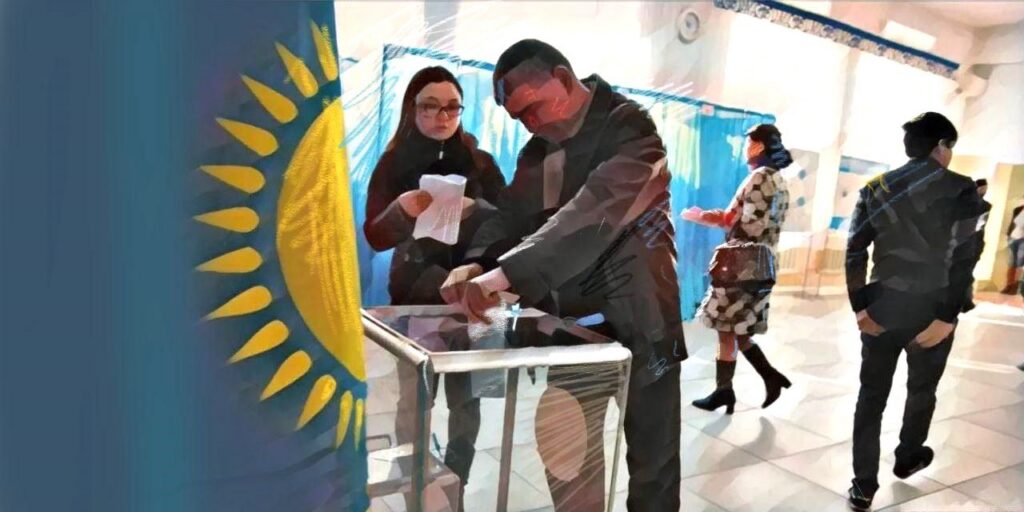
President Kassym-Jomart Tokayev has announced plans to introduce Kazakhstan’s first-ever administrative amnesty. The statement was made during a ceremony marking the adoption of the country’s new Constitution. In the past, Kazakhstan has periodically granted amnesties to individuals convicted of criminal offenses, often timed to coincide with national anniversaries. The most recent such amnesty was carried out in 2025 to mark the 30th anniversary of the Constitution. The new initiative is linked to the adoption of the updated Constitution. On March 15, a nationwide referendum was held in which a majority of voters supported the new basic law. The document is scheduled to enter into force on July 1, 2026. Speaking at the ceremony, Tokayev said that constitutional reform represents a transition to a new stage in the country’s development and requires a reassessment of the relationship between the state and society. “The People’s Constitution is a strategic mandate of trust and a new social contract aimed at long-term goals and horizons of progress,” the president said. He instructed parliament to adopt an amnesty law by the end of the current session. The proposed amnesty is expected to cover a range of criminal and administrative offenses that do not pose a threat to public or national security. The current parliamentary session is due to conclude at the end of June. Under the new Constitution, however, the powers of the existing parliament will cease on July 1, 2026, the same day the new constitutional framework enters into force. In the near future, five new constitutional laws are expected to be submitted to parliament, including legislation governing the presidency, the Kurultai (the future parliament), the Halyk Kenesi (People's Council), as well as laws regulating the status of the capital and the country’s administrative-territorial structure. According to Tokayev, eight existing constitutional laws and more than 60 regulatory acts, including key legal codes, will also require revision. These legislative changes are expected to be synchronized with upcoming parliamentary elections. Elections to the new unicameral parliament are likely to take place before the opening of the next parliamentary session, which traditionally begins on September 1. As a result, voting could be held within the coming months. “By that time, preparation of the necessary legal framework must be fully completed. The comprehensive transformation of Kazakhstan’s legal and political system will continue throughout this year and possibly into the next,” the president said. According to Tokayev, the reforms envisage the creation of new state institutions, as well as structural and personnel changes within existing government bodies.

Kyrgyzstan Sets Date for 2027 Presidential Election

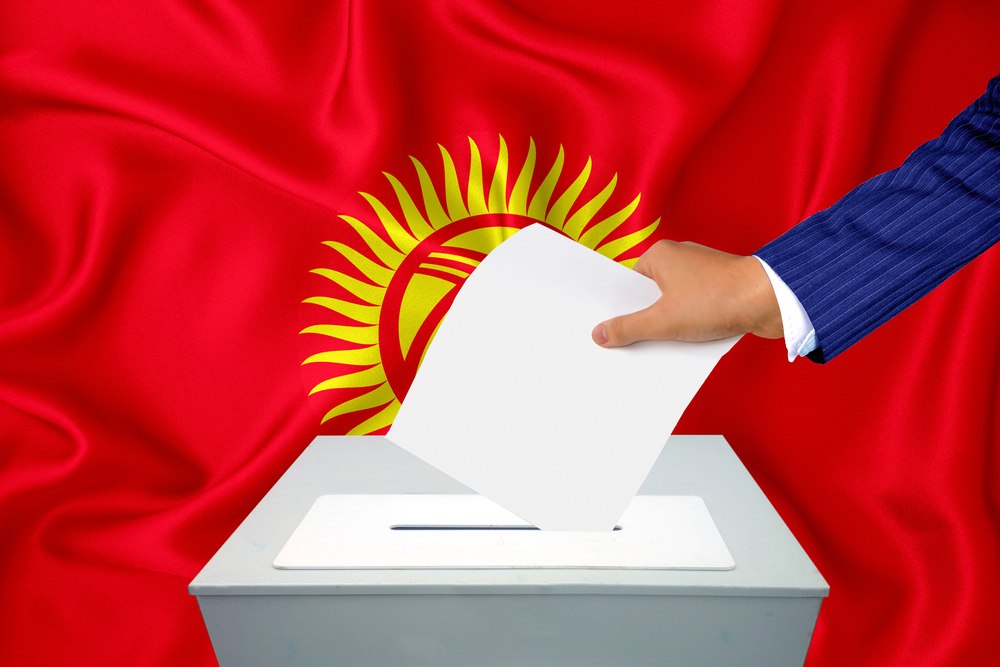
Kyrgyz President Sadyr Japarov has submitted a draft law to parliament establishing the official date for the country’s next presidential election. The parliamentary committee on constitutional legislation has approved the proposal in all three readings. According to the newly adopted law, the presidential election will take place on January 24, 2027, in line with amendments that designate the fourth Sunday of January as the official election date in the year the president’s term expires. Under the current Constitution, the president of Kyrgyzstan is elected for a single six-year term, with no possibility of re-election. President Japarov was elected on January 28, 2021, and later initiated constitutional reforms, including a nationwide referendum that expanded presidential powers. Changes to Parliamentary Elections The same parliamentary committee has also approved a second reading of a draft law altering the electoral system for members of the Jogorku Kenesh (parliament). The reforms would eliminate single-mandate constituencies, moving to an entirely majoritarian, multi-member district model. Under the new system, 30 electoral constituencies will be established, with three deputies elected in each, bringing the total to 90 MPs, all elected on a majoritarian basis. Both political parties and self-nominated individuals will be able to field candidates. Notably, 30 of the 90 seats will be reserved for women, aimed at enhancing gender representation. Currently, Kyrgyzstan’s parliament is composed of 54 deputies elected by party lists and 36 by single-mandate districts. If approved in its final reading, the draft law would overhaul the country's mixed electoral model in favor of a purely constituency-based approach.

Tajikistan Announces Preliminary Parliamentary Election Results; OSCE Absent

Bakhtiyor Khudoyorzoda, the chairman of Tajikistan's Central Commission for Elections and Referenda (CCER), has announced the preliminary results of the March 2 parliamentary elections to the Assembly of Representatives. According to Khudoyorzoda, 4.71 million of the 5.52 million registered voters participated in the election, representing an 85.3% turnout. The election results for party-list voting were as follows: The People's Democratic Party of Tajikistan secured the most support, receiving 2,435,541 votes (51.9%). The Agrarian Party of Tajikistan garnered 986,887 votes (21%). The Economic Reform Party of Tajikistan received 595,281 votes (12.7%). The Socialist Party of Tajikistan obtained 248,064 votes (5.3%). The Democratic Party of Tajikistan received 237,536 votes (5.1%). The Communist Party of Tajikistan received 89,738 votes (1.9%), failing to meet the 5% threshold required for parliamentary representation. Additionally, 50,895 voters chose the "against all" option. As a result of the party-list vote count, the 22 parliamentary seats allocated through the national proportional system were distributed as follows: People's Democratic Party of Tajikistan - 12 seats Agrarian Party of Tajikistan - 5 seats Economic Reform Party of Tajikistan - 3 seats Socialist Party of Tajikistan - 1 seat Democratic Party of Tajikistan - 1 seat The Communist Party of Tajikistan did not secure any seats. In total, five of the six registered parties gained representation in the Majlisi Oli, Tajikistan’s parliament. The remaining parliamentary seats were allocated through single-mandate districts. On February 6, 2025, the OSCE/ODIHR canceled a planned election observer mission, stating that the Tajik authorities' failure to accredit the observers had "denied the people of Tajikistan an impartial and independent assessment of the elections." A mission from the Shanghai Cooperation Organization, meanwhile, characterized the election as "transparent, credible and democratic." In the latest presidential elections, held in 2020, incumbent Emomali Rahmon won a fifth consecutive term, securing a purported 92.08% of the vote. Rahmon has been president since 1994, having previously led the country as Chairman of the Supreme Assembly from 1992 to 1994. TCA has previously reported on long prison sentences for Tajik opposition figures. Elections to the National Assembly will be held on March 28, 2025.