

• KGS/USD = 0.01144 0%
  • KZT/USD = 0.00212 0%
  • TJS/USD = 0.10795 -0.18%
  • UZS/USD = 0.00008 0%
  • TMT/USD = 0.28490 0%
  • KGS/USD = 0.01144 0%
  • KZT/USD = 0.00212 0%
  • TJS/USD = 0.10795 -0.18%
  • UZS/USD = 0.00008 0%
  • TMT/USD = 0.28490 0%
  • KGS/USD = 0.01144 0%
  • KZT/USD = 0.00212 0%
  • TJS/USD = 0.10795 -0.18%
  • UZS/USD = 0.00008 0%
  • TMT/USD = 0.28490 0%
  • KGS/USD = 0.01144 0%
  • KZT/USD = 0.00212 0%
  • TJS/USD = 0.10795 -0.18%
  • UZS/USD = 0.00008 0%
  • TMT/USD = 0.28490 0%
  • KGS/USD = 0.01144 0%
  • KZT/USD = 0.00212 0%
  • TJS/USD = 0.10795 -0.18%
  • UZS/USD = 0.00008 0%
  • TMT/USD = 0.28490 0%
  • KGS/USD = 0.01144 0%
  • KZT/USD = 0.00212 0%
  • TJS/USD = 0.10795 -0.18%
  • UZS/USD = 0.00008 0%
  • TMT/USD = 0.28490 0%
  • KGS/USD = 0.01144 0%
  • KZT/USD = 0.00212 0%
  • TJS/USD = 0.10795 -0.18%
  • UZS/USD = 0.00008 0%
  • TMT/USD = 0.28490 0%
  • KGS/USD = 0.01144 0%
  • KZT/USD = 0.00212 0%
  • TJS/USD = 0.10795 -0.18%
  • UZS/USD = 0.00008 0%
  • TMT/USD = 0.28490 0%

Viewing results 1 - 6 of 2

Tajikistan Nearly Halves Undernourishment, but Healthy Diets Remain Out of Reach for Many

Tajikistan has nearly halved its undernourishment rate over the past decade, but food insecurity and access to healthy diets remain major challenges for a significant share of the population, according to a new regional report by the Food and Agriculture Organization of the United Nations (FAO). The report on food security and nutrition in Europe and Central Asia said the prevalence of undernourishment in Tajikistan fell to 8.4% in 2022-2024 from 16.1% in 2014-2016, marking one of the strongest improvements in the region. Despite the progress, Tajikistan remains among the countries in Europe and Central Asia where undernourishment exceeds the FAO’s 2.5% benchmark. Central Asia remains the only subregion where the indicator stayed above that threshold, at 2.8% in both 2023 and 2024. The report said around a quarter of Tajikistan’s population faced moderate or severe food insecurity in 2022-2024, above the Central Asian average. Across the region, 16.2% of the population, or 13.3 million people, faced similar conditions in 2024. Access to healthy diets also remains a challenge. In 2024, about 24% of Tajikistan’s population could not afford a healthy diet, compared with the Central Asian average of 14%, according to FAO. That figure has improved from more than 30% in 2019 but remains one of the highest in the region. Only neighboring Kyrgyzstan recorded a higher rate, at 30.4%, while Uzbekistan stood at about 13% and Kazakhstan at 4% to 5%. Child nutrition indicators have improved but remain uneven. Stunting among children under five in Tajikistan fell to around 13% in 2024, nearly half the level recorded in 2012, though still above the 10% threshold. Tajikistan also recorded the highest child wasting rate in the region, at 6.4%, the report showed. The report also highlighted persistent anemia among women, affecting around 37% of women aged 15 to 49, while obesity among adults has risen to about 24%. Exclusive breastfeeding was one of the few positive trends. According to UNICEF, exclusive breastfeeding among infants under six months rose to 40.8% in 2023 from 14.2% in 2000.
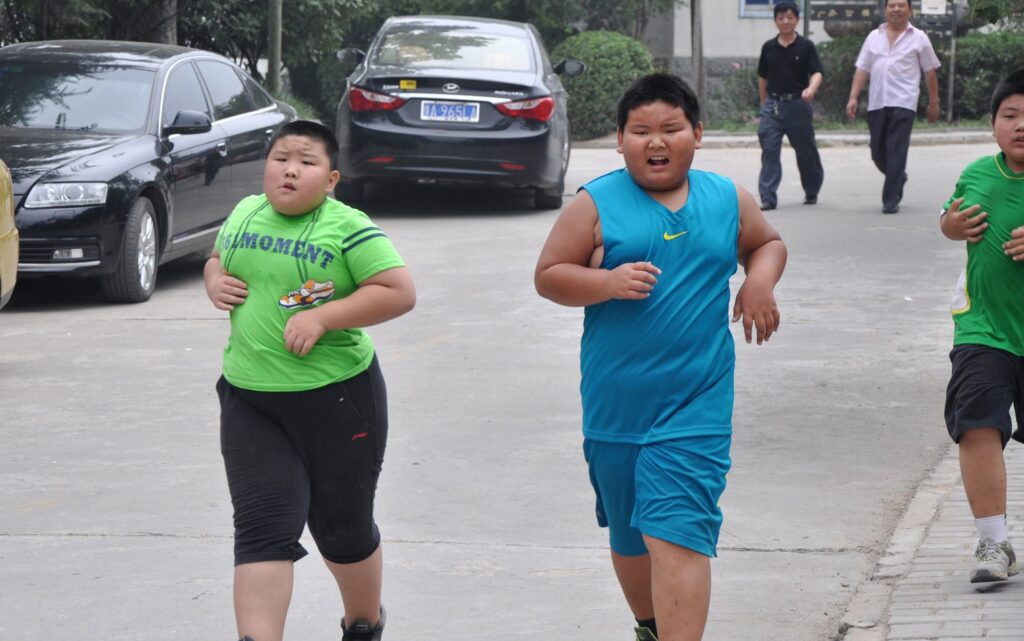

Childhood Obesity Rising in Tajikistan and Across Central Asia, Report Warns

The number of overweight and obese children in Tajikistan is increasing, raising concerns among international researchers who warn that the trend could lead to serious health problems at an early age and requires urgent preventive action. According to the World Obesity Atlas 2026, around 12,000 children aged 5-9 in Tajikistan are overweight or obese. Among adolescents aged 10-19, the figure is estimated at approximately 20,000. Researchers note that the consequences of an elevated body mass index can emerge early in life. Among affected children and adolescents, about 2,000 are estimated to show signs of hypertension, roughly 1,000 may have elevated blood glucose levels, around 3,000 may experience high triglyceride levels, and approximately 6,000 may suffer from metabolic dysfunction-associated steatotic liver disease (MASLD). These findings indicate that health conditions traditionally associated with adulthood are increasingly being detected among younger age groups. Changing diets and early-life factors Experts identify several factors contributing to rising obesity rates, including dietary habits. On average, children aged 6-10 consume between 50 and 100 milliliters of sweetened beverages daily, increasing the risk of excessive weight gain. Early childhood nutrition also plays an important role. The rate of incomplete breastfeeding among infants aged 1-5 months reaches 71.3%, which researchers suggest may raise the likelihood of obesity later in life. Maternal health is another significant factor. The report estimates that around 23% of women aged 15-49 in Tajikistan are overweight, while the prevalence of diabetes in this group is approximately 1.5%. Experts stress that maternal health and early nutrition have long-term effects on children’s metabolic risks. Regional trends Similar patterns are emerging across Central Asia. The study indicates that Kazakhstan has comparatively higher rates of childhood overweight and obesity, while Uzbekistan also faces a substantial share of affected children. In Kyrgyzstan and Turkmenistan, the situation remains less severe but is gradually worsening, according to researchers. One of the main drivers identified is a shift in dietary patterns. Rising consumption of sugar, sweetened beverages, and ultra-processed foods is associated with urbanization, lifestyle changes, and increased availability of high-calorie products. Regional governments have begun to respond. As The Times of Central Asia previously reported, authorities in Kyrgyzstan recently approved higher excise taxes on sugar-sweetened beverages, including products marketed to children.