
• KZT/USD = 0.00222
  • TJS/USD = 0.10810
  • UZS/USD = 0.00009
  • TMT/USD = 0.29850
  • KZT/USD = 0.00222
  • TJS/USD = 0.10810
  • UZS/USD = 0.00009
  • TMT/USD = 0.29850
  • KZT/USD = 0.00222
  • TJS/USD = 0.10810
  • UZS/USD = 0.00009
  • TMT/USD = 0.29850
  • KZT/USD = 0.00222
  • TJS/USD = 0.10810
  • UZS/USD = 0.00009
  • TMT/USD = 0.29850
  • KZT/USD = 0.00222
  • TJS/USD = 0.10810
  • UZS/USD = 0.00009
  • TMT/USD = 0.29850
  • KZT/USD = 0.00222
  • TJS/USD = 0.10810
  • UZS/USD = 0.00009
  • TMT/USD = 0.29850
  • KZT/USD = 0.00222
  • TJS/USD = 0.10810
  • UZS/USD = 0.00009
  • TMT/USD = 0.29850
  • KZT/USD = 0.00222
  • TJS/USD = 0.10810
  • UZS/USD = 0.00009
  • TMT/USD = 0.29850
15 September 2026

Viewing results 1 - 6 of 2

Kyrgyzstan Hosts SCO Summit as Bloc Marks 25 Years

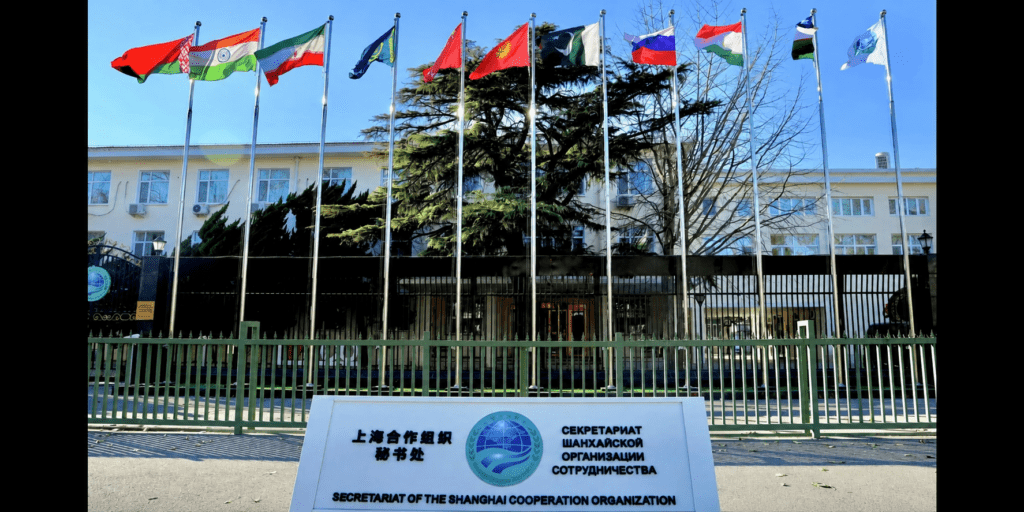
Leaders of the Shanghai Cooperation Organization's ten member states are due in Bishkek on September 1 for the final summit of Kyrgyzstan's 2025-2026 chairmanship. The meeting is expected to produce a Bishkek Declaration marking the SCO's 25th anniversary, alongside thematic statements and other decisions. For Kyrgyzstan, the gathering is more than a turn in the organization's rotating chairmanship. As many as 21 heads of state are expected in the country during the week, according to presidential spokesman Askat Alagozov. The summit coincides with Kyrgyzstan's Independence Day and the August 31 opening of the World Nomad Games. The member-state session will bring together Belarus, China, India, Iran, Kazakhstan, Pakistan, Russia, Tajikistan, and Uzbekistan, with President Sadyr Japarov as host. Chinese President Xi Jinping will also make a state visit, giving the summit a substantial bilateral program alongside the formal meetings. Kyrgyzstan's Diplomatic Week The summit comes less than three months after Kyrgyzstan was elected to the UN Security Council for 2027-2028, its first term on the body. Hosting the SCO gives Japarov an opportunity to reinforce that diplomatic profile before the Security Council term begins in January. The SCO's foreign ministers reiterated in July that Central Asia is the organization's core and backed a larger role for it in the region's security and economic development. Their statement also praised Kyrgyzstan's chairmanship and confirmed that the Council of Heads of State and SCO Plus meetings would take place in Bishkek on August 31 and September 1. What Cholpon Ata Already Settled At their July 24 meeting in Cholpon Ata, SCO foreign ministers approved the draft declaration and accompanying documents as a basis for the summit. The language is therefore largely negotiated before the leaders arrive, although the final package can still change. The ministerial statement gives a clearer indication of the political agenda, supporting a multipolar world order and rejecting unilateral sanctions. It also calls for more intra-SCO trade. Terrorism, separatism, extremism, drug trafficking, and transnational organized crime remain its stated security priorities. The statement says the SCO is entering a period of institutional reform, including changes to its legal framework and cooperation procedures. A Development Bank Still Taking Shape Economic cooperation will occupy a significant part of the summit. In Tianjin last year, interested member states reached political consensus to establish an SCO Development Bank. The institution is not yet operational. At the fourth consultation meeting in Shenzhen in June, delegates discussed its key elements and the next stage of negotiations. A timetable or capital commitments announced in Bishkek would move the proposal beyond its current design stage. The bank could eventually provide another source of finance for infrastructure, but its structure and membership remain unsettled. Currency diversification will also remain part of the discussion. The 2024 Astana Declaration called for gradual growth in the use of national currencies for settlements among interested members. Sanctions on Russia and Iran have increased the political importance of that effort, although the SCO has not created a common payment system. SCO Plus, but Not...

Kyrgyzstan Approves Chinese Loan for CKU Railway

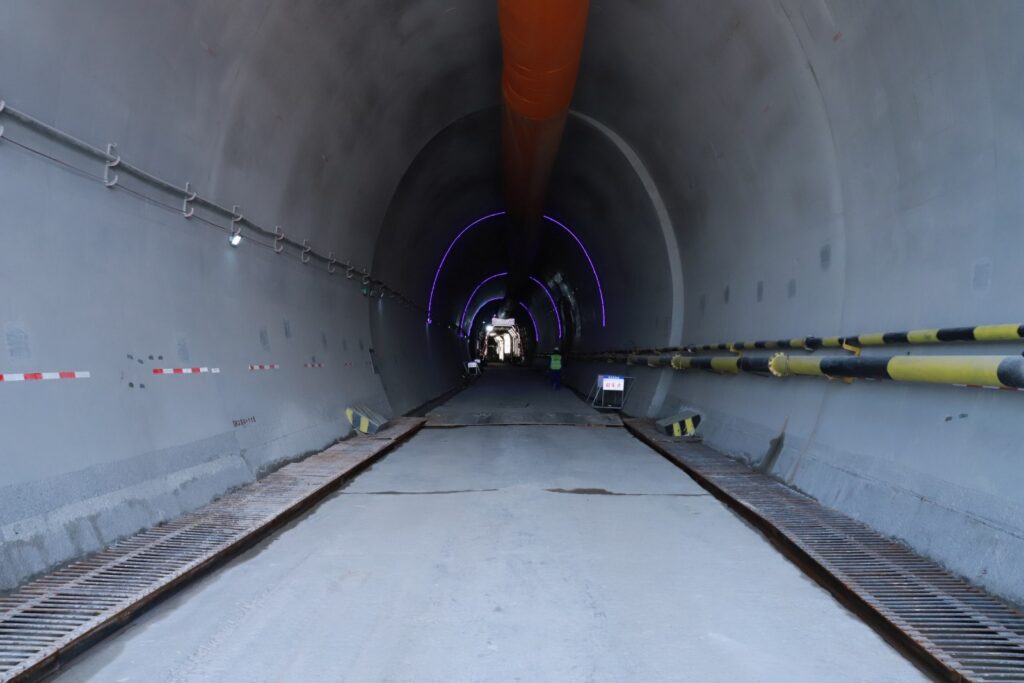
Kyrgyzstan’s parliament has approved in the first reading a bill ratifying a preferential loan agreement with the Export-Import Bank of China to help finance the country’s share in the construction of the China-Kyrgyzstan-Uzbekistan (CKU) railway, one of Central Asia’s largest transport infrastructure projects. The CKU railway is a flagship regional connectivity initiative designed to improve trade routes between China, Central Asia, and beyond. Construction officially began on December 27, 2024, in Kyrgyzstan’s Jalal-Abad region. Once completed, the 523-kilometer railway will connect Kashgar in China with Torugart, Makmal, and Jalal-Abad in Kyrgyzstan before continuing to Andijan in Uzbekistan. The route is expected to carry up to 15 million tons of cargo annually. The project is particularly significant because neither Kyrgyzstan nor Uzbekistan currently has a direct rail connection with China. At present, Kazakhstan is the only Central Asian country with such a link. Construction is being managed by China-Kyrgyzstan-Uzbekistan Railway Company LLC, a joint venture established by the three participating countries. The railway is expected to cost $4.7 billion. About half will be financed through a 35-year Chinese loan to the joint project company, which will be responsible for repayment. The remaining $2.3 billion will be contributed as equity, with China holding 51%, while Kyrgyzstan and Uzbekistan will each contribute 24.5%. According to Kyrgyzstan’s Deputy Minister of Transport and Communications Almaz Turgunbaev, Kyrgyzstan will use a $304.5 million preferential loan from the Export-Import Bank of China to finance half of its contribution to the joint company, which will oversee the railway project. Kyrgyzstan’s total share in the project amounts to roughly $609 million, with half funded directly by the state budget and the rest through borrowed funds. The loan has a term of 25 years, including a five-year grace period, with an annual interest rate of 1.5%. According to Kyrgyzstan's Finance Ministry, the grant element of the loan stands at 35.46%. Officials said the funds will be used exclusively to finance Kyrgyzstan’s equity contribution to the joint railway company and cover construction costs. As of January 31, 2026, Kyrgyzstan’s debt to Eximbank stood at about $1.5 billion, making China the country’s largest external creditor. The Kyrgyzstan section of the railway will stretch more than 304 kilometers and is considered the most technically challenging part of the project. It will include 50 bridges and 29 tunnels with a combined length of about 120 kilometers, meaning around 40% of the route inside Kyrgyzstan will consist of tunnels and bridges. The railway is expected to improve regional logistics by creating a shorter trade route between China and Europe via Central Asia, bypassing existing northern corridors.