
• KZT/USD = 0.00221
  • TJS/USD = 0.10830
  • UZS/USD = 0.00008
  • TMT/USD = 0.29760
  • KZT/USD = 0.00221
  • TJS/USD = 0.10830
  • UZS/USD = 0.00008
  • TMT/USD = 0.29760
  • KZT/USD = 0.00221
  • TJS/USD = 0.10830
  • UZS/USD = 0.00008
  • TMT/USD = 0.29760
  • KZT/USD = 0.00221
  • TJS/USD = 0.10830
  • UZS/USD = 0.00008
  • TMT/USD = 0.29760
  • KZT/USD = 0.00221
  • TJS/USD = 0.10830
  • UZS/USD = 0.00008
  • TMT/USD = 0.29760
  • KZT/USD = 0.00221
  • TJS/USD = 0.10830
  • UZS/USD = 0.00008
  • TMT/USD = 0.29760
  • KZT/USD = 0.00221
  • TJS/USD = 0.10830
  • UZS/USD = 0.00008
  • TMT/USD = 0.29760
  • KZT/USD = 0.00221
  • TJS/USD = 0.10830
  • UZS/USD = 0.00008
  • TMT/USD = 0.29760
13 October 2026

Viewing results 1 - 6 of 2

Opinion: China-Kyrgyzstan-Uzbekistan Railway Opens New Options Beyond Europe

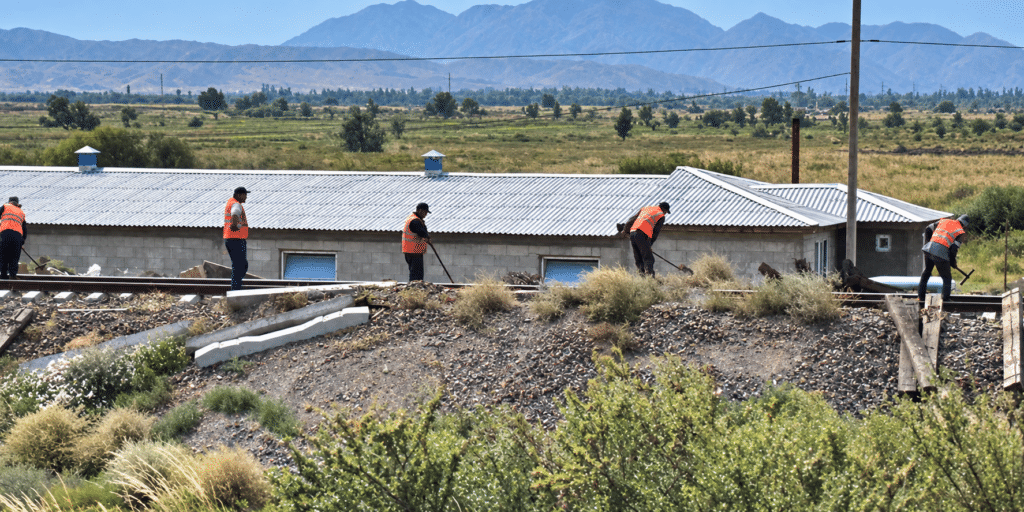
The China-Kyrgyzstan-Uzbekistan railway is often presented as a new route to Europe, but its first benefits are likely to be felt closer to home. It could give Central Asian shippers more choice and governments more room to negotiate transport costs, even where sanctions restrict access to European markets. Excavation of the 209.6-meter Kosh-Dobo North No. 2 tunnel was completed on August 5. Work is also underway on other tunnels along Kyrgyzstan’s mountainous section of the railway. CKU is advancing as falling Caspian water levels make the Middle Corridor more expensive to maintain. That could increase demand for alternative routes, although each comes with its own costs and restrictions. Kyrgyz officials have high expectations. Deputy Prime Minister Edil Baisalov told TCA that “this railroad will virtually transform Kyrgyzstan.” Fulfilling that ambition will require the country to earn more than transit fees. Much depends on Makmal, where a transshipment station and possible logistics center are planned. The Torugart-Makmal section will use the Chinese standard gauge of 1,435 mm, while the Makmal-Jalal-Abad section will use the 1,520 mm gauge common across the post-Soviet rail system. Changing gauge adds time and expense as cargo moves between trains. The planned station will handle transfers between the two systems, as well as cargo sorting and train assembly, operations which could support local logistics businesses, provided there is enough traffic. Warehousing and customs services would give Kyrgyzstan a chance to earn more from that traffic. Whether Makmal develops into a wider logistics hub will depend on the services available and their cost to shippers. The mountainous terrain makes the line expensive and slow to build. It also limits the options for competing routes through the Tien Shan. That may strengthen Kyrgyzstan’s negotiating position, but only if the railway offers a reliable service at competitive rates. The trans-Caspian Middle Corridor avoids Russia and Iran, making it more attractive to European companies concerned about sanctions. Yet, as TCA has reported, falling Caspian water levels are raising the cost of the route through Aktau and Kuryk. Low sea levels around Aktau and Kuryk reduce loading efficiency and increase transport costs. Kazakhstan has dredged Kuryk and launched deeper work at Aktau, aiming for a 7.7-meter depth in the operational part of the port. The Caspian route remains workable, but maintaining it requires continuing investment. If those costs rise, shippers will have more reason to compare alternatives. There are also delays to address. In a recent TCA interview, the TITR secretary general stressed the need to speed up the route and ease Caspian bottlenecks as freight volumes grow. A southern route could avoid Caspian transshipment. From Uzbekistan, cargo can move through Turkmenistan and Iran to Turkey. Uzbek, Iranian, and Turkish officials have already discussed linking this corridor with the CKU railway. Some freight already travels south on existing lines. In September, a 55-container block train was dispatched from Kazakhstan’s Altynkol station after crossing from China. Its announced route ran through Uzbekistan and Turkmenistan to Iran via the Sarakhs border station. It carried...

Kyrgyzstan Approves Chinese Loan for CKU Railway

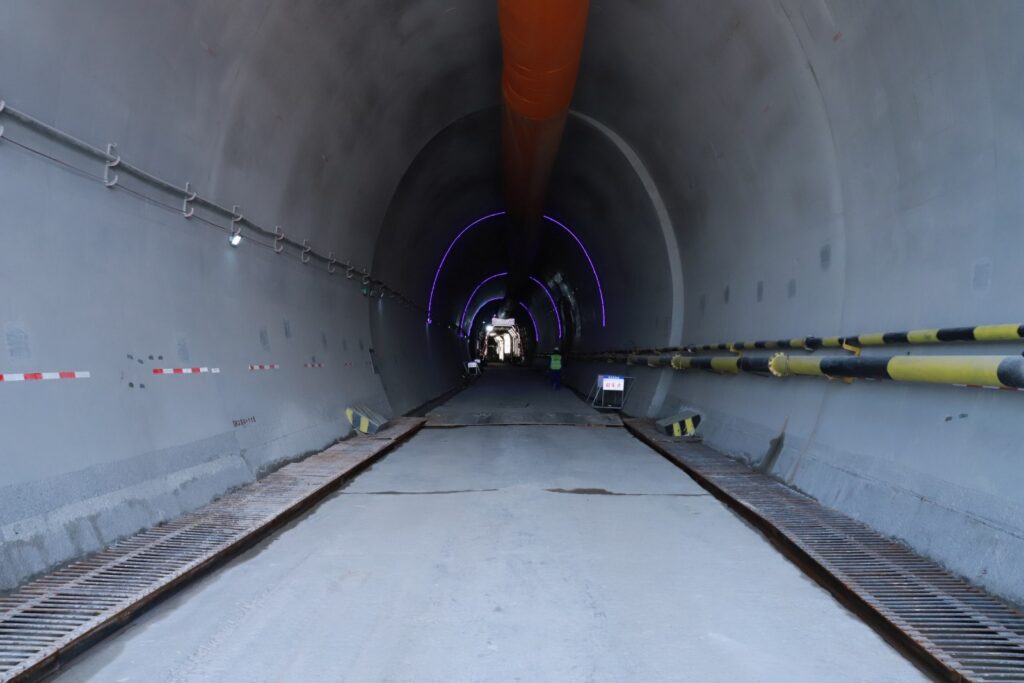
Kyrgyzstan’s parliament has approved in the first reading a bill ratifying a preferential loan agreement with the Export-Import Bank of China to help finance the country’s share in the construction of the China-Kyrgyzstan-Uzbekistan (CKU) railway, one of Central Asia’s largest transport infrastructure projects. The CKU railway is a flagship regional connectivity initiative designed to improve trade routes between China, Central Asia, and beyond. Construction officially began on December 27, 2024, in Kyrgyzstan’s Jalal-Abad region. Once completed, the 523-kilometer railway will connect Kashgar in China with Torugart, Makmal, and Jalal-Abad in Kyrgyzstan before continuing to Andijan in Uzbekistan. The route is expected to carry up to 15 million tons of cargo annually. The project is particularly significant because neither Kyrgyzstan nor Uzbekistan currently has a direct rail connection with China. At present, Kazakhstan is the only Central Asian country with such a link. Construction is being managed by China-Kyrgyzstan-Uzbekistan Railway Company LLC, a joint venture established by the three participating countries. The railway is expected to cost $4.7 billion. About half will be financed through a 35-year Chinese loan to the joint project company, which will be responsible for repayment. The remaining $2.3 billion will be contributed as equity, with China holding 51%, while Kyrgyzstan and Uzbekistan will each contribute 24.5%. According to Kyrgyzstan’s Deputy Minister of Transport and Communications Almaz Turgunbaev, Kyrgyzstan will use a $304.5 million preferential loan from the Export-Import Bank of China to finance half of its contribution to the joint company, which will oversee the railway project. Kyrgyzstan’s total share in the project amounts to roughly $609 million, with half funded directly by the state budget and the rest through borrowed funds. The loan has a term of 25 years, including a five-year grace period, with an annual interest rate of 1.5%. According to Kyrgyzstan's Finance Ministry, the grant element of the loan stands at 35.46%. Officials said the funds will be used exclusively to finance Kyrgyzstan’s equity contribution to the joint railway company and cover construction costs. As of January 31, 2026, Kyrgyzstan’s debt to Eximbank stood at about $1.5 billion, making China the country’s largest external creditor. The Kyrgyzstan section of the railway will stretch more than 304 kilometers and is considered the most technically challenging part of the project. It will include 50 bridges and 29 tunnels with a combined length of about 120 kilometers, meaning around 40% of the route inside Kyrgyzstan will consist of tunnels and bridges. The railway is expected to improve regional logistics by creating a shorter trade route between China and Europe via Central Asia, bypassing existing northern corridors.