
• KGS/USD = 0.01144 0%
  • KZT/USD = 0.00208 0%
  • TJS/USD = 0.10439 0%
  • UZS/USD = 0.00008 0%
  • TMT/USD = 0.28571 0%
  • KGS/USD = 0.01144 0%
  • KZT/USD = 0.00208 0%
  • TJS/USD = 0.10439 0%
  • UZS/USD = 0.00008 0%
  • TMT/USD = 0.28571 0%
  • KGS/USD = 0.01144 0%
  • KZT/USD = 0.00208 0%
  • TJS/USD = 0.10439 0%
  • UZS/USD = 0.00008 0%
  • TMT/USD = 0.28571 0%
  • KGS/USD = 0.01144 0%
  • KZT/USD = 0.00208 0%
  • TJS/USD = 0.10439 0%
  • UZS/USD = 0.00008 0%
  • TMT/USD = 0.28571 0%
  • KGS/USD = 0.01144 0%
  • KZT/USD = 0.00208 0%
  • TJS/USD = 0.10439 0%
  • UZS/USD = 0.00008 0%
  • TMT/USD = 0.28571 0%
  • KGS/USD = 0.01144 0%
  • KZT/USD = 0.00208 0%
  • TJS/USD = 0.10439 0%
  • UZS/USD = 0.00008 0%
  • TMT/USD = 0.28571 0%
  • KGS/USD = 0.01144 0%
  • KZT/USD = 0.00208 0%
  • TJS/USD = 0.10439 0%
  • UZS/USD = 0.00008 0%
  • TMT/USD = 0.28571 0%
  • KGS/USD = 0.01144 0%
  • KZT/USD = 0.00208 0%
  • TJS/USD = 0.10439 0%
  • UZS/USD = 0.00008 0%
  • TMT/USD = 0.28571 0%

Viewing results 1 - 6 of 6

More Than a Third of Migrant Workers in Kazakhstan Are Chinese Citizens

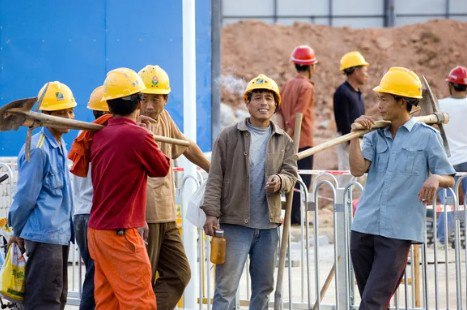
More than 35% of all foreign nationals officially working in Kazakhstan are Chinese citizens, according to data published by the Ministry of Labor and Social Protection of the Republic of Kazakhstan. As of December 1, 2025, a total of 14,103 foreign citizens were employed in Kazakhstan under permits issued by local executive authorities. The largest group of labor migrants comprises Chinese nationals, 5,604 individuals, representing over 35% of the total. They are followed by citizens of Uzbekistan (2,110 people, about 15%), Turkey (1,036 people, over 7%), and India (943 people, more than 6%). Migrants from other countries make up roughly 35% of the foreign labor force, a proportion nearly equal to that of China. In 2025, the structure of permits for foreign labor included 537 issued to managers and their deputies (first category), and 2,244 to heads of structural divisions (second category). Most foreign workers fell into the third and fourth categories, specialists (3,784 people) and skilled workers (1,271 people). Additionally, 2,299 permits were granted for seasonal work, and 3,970 were issued as part of corporate transfers. The ministry reported that 1,817 employers in Kazakhstan currently utilize foreign labor. These companies also employ more than 334,000 Kazakhstani citizens, who make up about 96% of their total workforce. By sector, the highest number of foreign workers are employed in construction, 4,993 people, just over 35%. Other major sectors include agriculture, forestry, and fisheries (2,316 workers, 16.5%), mining and quarrying (1,235 workers, about 9%), and manufacturing (1,155 workers, approximately 8%). To safeguard the domestic labor market, Kazakhstan sets an annual quota for the employment of foreign workers. In 2025, the initial quota was 0.2% of the workforce, or 14,800 permits. This figure was raised to 16,500 in March at the request of regional authorities. In August, the quota was increased further to 0.25% or 19,400 permits, following the expansion of the list of professions eligible for seasonal foreign workers. It was later revised down to 16,700 permits, based on updated regional needs. As previously reported by The Times of Central Asia, more than 80,000 Russian citizens received residence permits to work in Kazakhstan between January 2023 and September 2024.

Tajikistan Reports New Militant Attack from Afghanistan; Chinese Citizens Killed

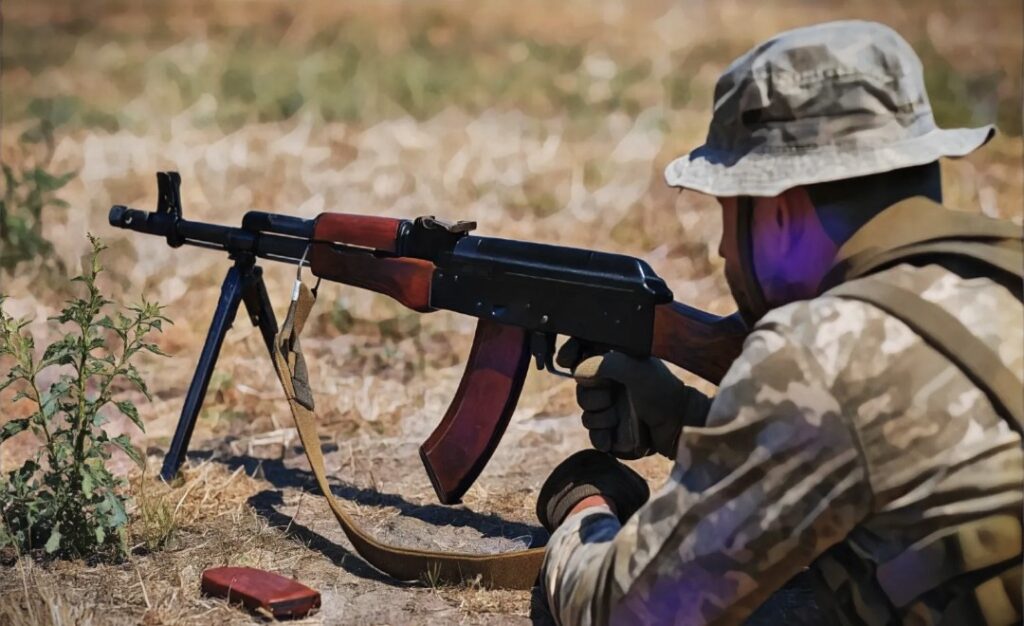
A deadly cross-border attack has once again drawn attention to the volatile security situation along the Tajik-Afghan border. Armed militants opened fire on foreign workers in Tajikistan, prompting sharp condemnation from Dushanbe and renewed calls for Kabul to enhance control over its border regions. According to the press center of Tajikistan’s State Committee for National Security (GKNB), the latest incident occurred on November 30 at approximately 6:45 p.m. near the village of Shodak, located in the rural village of Vishkharv, Darvaz district. The gunfire reportedly came from the Afghan village of Ruzvayak, in the Mohi Mai district of Badakhshan province. Militants targeted employees of the China Road and Bridge Corporation, a Chinese state-owned construction company. Two Chinese nationals were killed in the attack, and two others were wounded. This was not an isolated incident. On November 26, militants launched a similar cross-border assault in the Shamshiddin Shohin district, resulting in the deaths of three Chinese employees of the Shokhin-SM company and injuring another. Both attacks originated from Afghanistan’s Badakhshan province, raising serious concerns among Tajik authorities about what appears to be a growing pattern of cross-border violence. Despite ongoing efforts to enhance security, Dushanbe acknowledged continued attempts by armed criminal groups to destabilize the situation. “The Tajik side, expressing deep concern, strongly condemns these alarming actions by criminal groups and calls on the current authorities of Afghanistan to take timely and effective measures,” read a statement from the Border Troops press center. The GKNB stated that additional measures are being implemented to strengthen border protection and ensure the safety of both Tajik citizens and foreign workers. Authorities also reported that the situation remains “stable and under control,” and that investigations are underway. In a separate statement, the Ministry of Foreign Affairs of Tajikistan condemned the attacks as “brutal actions by terrorist groups” and urged the Afghan authorities to guarantee the security of border areas. Official reactions followed from Kabul, Islamabad, and Tehran. Representatives of the Taliban (designated as a terrorist organization and banned in several countries) extended condolences to both Tajikistan and China. They asserted that the attacks were carried out by factions seeking to “create tension and mistrust between countries in the region,” and expressed willingness to cooperate in the investigation and information exchange. On December 1, President Emomali Rahmon convened an emergency meeting with the heads of Tajikistan’s law enforcement and security agencies. According to the presidential press service, Rahmon “strongly condemned the illegal and provocative actions of Afghan citizens,” called for tougher preventive measures, and instructed security forces to reinforce surveillance and control along the entire border zone.