• KZT/USD = 0.00224
  • TJS/USD = 0.10850
  • UZS/USD = 0.00008
  • TMT/USD = 0.29850
  • KZT/USD = 0.00224
  • TJS/USD = 0.10850
  • UZS/USD = 0.00008
  • TMT/USD = 0.29850
  • KZT/USD = 0.00224
  • TJS/USD = 0.10850
  • UZS/USD = 0.00008
  • TMT/USD = 0.29850
  • KZT/USD = 0.00224
  • TJS/USD = 0.10850
  • UZS/USD = 0.00008
  • TMT/USD = 0.29850
  • KZT/USD = 0.00224
  • TJS/USD = 0.10850
  • UZS/USD = 0.00008
  • TMT/USD = 0.29850
  • KZT/USD = 0.00224
  • TJS/USD = 0.10850
  • UZS/USD = 0.00008
  • TMT/USD = 0.29850
  • KZT/USD = 0.00224
  • TJS/USD = 0.10850
  • UZS/USD = 0.00008
  • TMT/USD = 0.29850
  • KZT/USD = 0.00224
  • TJS/USD = 0.10850
  • UZS/USD = 0.00008
  • TMT/USD = 0.29850
14 November 2026

Viewing results 1 - 6 of 2

Opinion: I Spent 15 Years in Government. Here Is What the State Can Learn Next

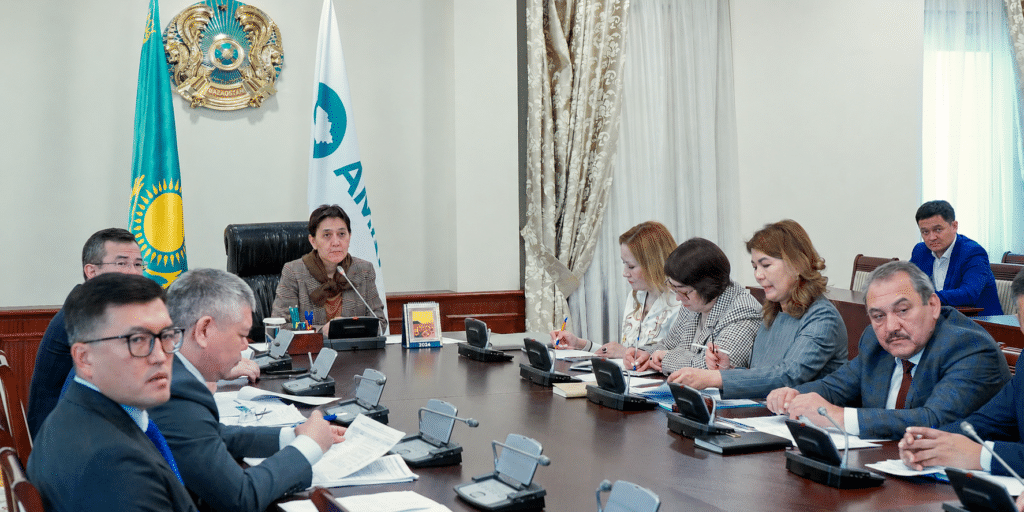
Zhandos Sabit spent more than 15 years in Kazakhstan’s public service, including the Ministry of National Economy, a regional akimat, and the Prosecutor General’s Office. He now works in the private sector. In March 2014, I went to a meeting in Astana on the development of the machine-building industry. It was held at the then Ministry of Industry and New Technologies. Officials from central and local bodies came, along with the National Chamber of Entrepreneurs and several business owners. I was there as a representative of a state body. When the entrepreneurs began to talk about problems in the industry that we had never heard of, and about how to solve them, I was surprised. They were asking how to increase local content. We were asking whether a proposal complied with current legislation. It turned out that we civil servants knew the resolutions and laws of the sector, and not much beyond that. We sat at one table and spoke about different things. I have seen the same in other sectors since. My former colleagues may take offense, but I will say what I think: many civil servants, myself included in those years, were lawyers and bureaucrats first. That is how the system trains us. Faced with a problem, the first question is whether an idea contradicts the law, and only rarely whether the idea works. Nobody can be blamed for this, because the rules are what an official is held responsible for. It does mean that civil servants should lean on people who know a sector from the inside and take their suggestions seriously. I saw another side of this when I worked in a regional akimat. We prepared a road map for developing the communications sector in the region and agreed it with the central body. Wherever an item needed a decision from the center or money from the republican budget, the central body either struck it out or rewrote it as “study the issue”, with “provide information” as the expected result. I understand why: the center answers for the budget and for every precedent it sets. But how long can an issue be studied? Colleagues in the region put it bluntly: go and fight for the money from the republican budget yourselves. An idea can sit for years between two levels of government, and nobody has done anything wrong. Kazakhstan’s “Listening State” concept raises a question: what happens to what the state hears? I spent more than 15 years in public service, and my proposal comes from that work. Kazakhstan already has channels for individual appeals, and eOtinish is one of them. They are there to answer a person. My proposal is the next step: a platform for solving problems that keep coming back. Its unit would be a problem together with a proposed solution, not a letter. Appeals, petitions, input from business associations, and regional statistics are kept in separate places today, and an AI-assisted system could read them together. If dozens of complaints about delayed...

USAID Launches New Project to Empower Communities in Uzbekistan

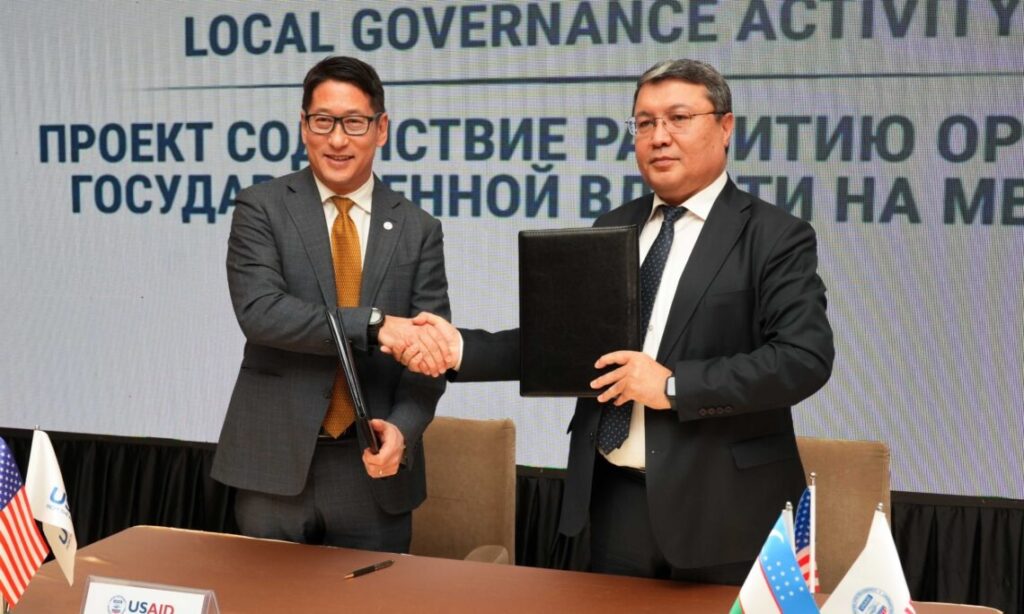
The United States Agency for International Development (USAID) has launched the Local Governance Activity in Uzbekistan, the U.S. Embassy in Uzbekistan has stated. Implemented by Chemonics International, the project will work closely with national government counterparts to improve the responsiveness and accountability of local governments, enhance citizen engagement, and promote a more inclusive and equitable decision-making processes. As a significant step towards strengthening collaboration and advancing local governance goals, the Ministry of Justice of Uzbekistan and USAID signed a Memorandum of Understanding (MOU) during the project launch ceremony on December 14th. The MOU outlines the framework for collaboration between the two parties, focusing on enhancing the legal and regulatory environment for effective local governance, promoting citizen participation, and strengthening the capacity of local government institutions. “Empowering local communities to participate actively in governance is essential for building a more responsive and accountable government,” said USAID Mission Director in Uzbekistan, David Hoffman. “This activity will work to strengthen the voices of citizens, particularly women, youth, people with disabilities, and minority groups, ensuring that their needs are heard and addressed at a local level.” The Local Governance Activity will identify and address the diverse needs of various stakeholders, including citizens, entrepreneurs, marginalized populations, activists, influencers, media, and other government entities. Through this inclusive approach, the activity will ensure local governance reforms are tailored to the specific needs and realities of Uzbek communities. Additionally, it aims to strengthen collaboration with national counterparts, ensure that the project’s activities are aligned with the Uzbekistan Strategy 2030, and that outcomes are sustainable beyond the project’s lifespan. Through collaboration, innovation, technical expertise, and a focus on user-centered approaches, the Local Governance Activity will work to address the diverse needs of Uzbek communities and contribute to a more inclusive, responsive, and accountable government.