
• KZT/USD = 0.00214
  • TJS/USD = 0.10800
  • UZS/USD = 0.00008
  • TMT/USD = 0.29760
  • KZT/USD = 0.00214
  • TJS/USD = 0.10800
  • UZS/USD = 0.00008
  • TMT/USD = 0.29760
  • KZT/USD = 0.00214
  • TJS/USD = 0.10800
  • UZS/USD = 0.00008
  • TMT/USD = 0.29760
  • KZT/USD = 0.00214
  • TJS/USD = 0.10800
  • UZS/USD = 0.00008
  • TMT/USD = 0.29760
  • KZT/USD = 0.00214
  • TJS/USD = 0.10800
  • UZS/USD = 0.00008
  • TMT/USD = 0.29760
  • KZT/USD = 0.00214
  • TJS/USD = 0.10800
  • UZS/USD = 0.00008
  • TMT/USD = 0.29760
  • KZT/USD = 0.00214
  • TJS/USD = 0.10800
  • UZS/USD = 0.00008
  • TMT/USD = 0.29760
  • KZT/USD = 0.00214
  • TJS/USD = 0.10800
  • UZS/USD = 0.00008
  • TMT/USD = 0.29760
14 August 2026

Viewing results 1 - 6 of 2

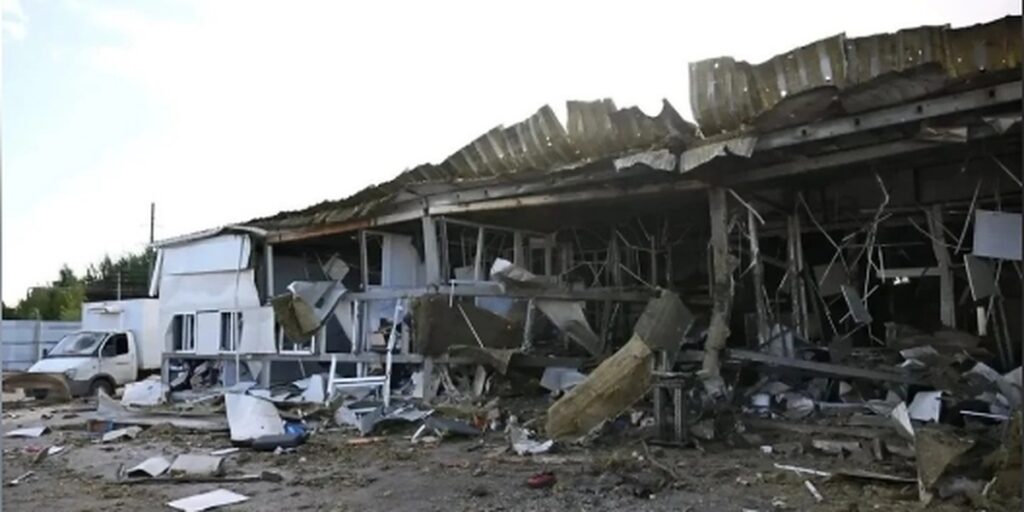
Uzbekistan Forms Commission After Nizhnekamsk Drone Strike as Russia Puts Uzbek Death Toll at Eight

Uzbekistan has formed a special commission after its citizens were killed in a drone attack on several locations in the Russian city of Nizhnekamsk on Monday. Russian authorities now say eight Uzbek citizens were among the 13 people killed, one more than Uzbekistan’s consulate in the Russian city of Kazan initially reported. A Tajik citizen was also reported among the dead. Moscow blamed Ukraine for the attack, the latest in a campaign of long-range strikes by the Ukrainian military in the long-running war with Russia. Ukraine has often targeted oil facilities in an attempt to undermine a key source of revenue for Russia, though there were conflicting accounts of what was hit in the Nizhnekamsk attack. Ukraine’s General Staff said it hit an oil refinery and caused a fire, while local Russian officials said residential areas as well as industrial facilities were hit, and a child was among those killed. Uzbekistan’s consulate in Kazan did not name the Uzbek nationals who died in the attack on Monday and did not provide any further personal information. The consulate initially put the Uzbek death toll at seven. Azattyq Asia subsequently reported that Russian authorities put the number at eight. Tajikistan’s Foreign Ministry said one Tajik citizen was also killed. “Necessary contacts have been established with local responsible authorities, agencies, and investigative bodies to clarify the details of the incident,” the consulate said. “We would like to inform you that the necessary arrangements are being made to repatriate the bodies of the deceased citizens to their homeland after the completion of forensic examinations and the necessary official procedures.” The consulate quoted law enforcement agencies in Tatarstan, the region of Russia where Nizhnekamsk is located, as saying that 13 people were killed and 39 people were injured in the drone strikes. Nizhnekamsk is a major industrial center that lies about 900 kilometers east of Moscow.


Pakistani Airstrikes in Afghanistan Kill at Least 28 Civilians, UN Says

The United Nations says at least 28 civilians were killed and 49 injured in Pakistani airstrikes in several provinces in Afghanistan, as violence continues in the border region following ceasefire efforts that have repeatedly broken down. Women and children were among the casualties in the airstrikes in Paktia, Paktika, and Kunar provinces on Sunday night, the United Nations Assistance Mission in Afghanistan (UNAMA) said on Monday. UNAMA said the figures were preliminary and that the toll could increase as hospitals treat the injured. Hamdullah Fitrat, a spokesman for the ruling Taliban in Afghanistan, announced a higher casualty toll than the UN. At least 36 civilians were killed and 163 others were injured, Fitrat said on X. Pakistan’s Information Minister Attaullah Tarar said the airstrikes hit militant hideouts and strongholds on the Afghan side of the border, killing at least two dozen militants in retaliation for attacks on targets in Pakistan. Pakistan accuses Afghanistan of providing sanctuary to militants who carry out attacks against Pakistani security forces, an allegation that the Taliban in Afghanistan denies. Besides humanitarian concerns, the ongoing violence is also a concern for Central Asian governments and business groups that are working to develop trade corridors and infrastructure projects linking their region with South Asia. Those projects, which would require close collaboration between Afghanistan and Pakistan, include the Trans-Afghan Railway, the TAPI natural gas pipeline, and the CASA-1000 electricity project.