• KZT/USD = 0.00220
  • TJS/USD = 0.10850
  • UZS/USD = 0.00008
  • TMT/USD = 0.29850
  • KZT/USD = 0.00220
  • TJS/USD = 0.10850
  • UZS/USD = 0.00008
  • TMT/USD = 0.29850
  • KZT/USD = 0.00220
  • TJS/USD = 0.10850
  • UZS/USD = 0.00008
  • TMT/USD = 0.29850
  • KZT/USD = 0.00220
  • TJS/USD = 0.10850
  • UZS/USD = 0.00008
  • TMT/USD = 0.29850
  • KZT/USD = 0.00220
  • TJS/USD = 0.10850
  • UZS/USD = 0.00008
  • TMT/USD = 0.29850
  • KZT/USD = 0.00220
  • TJS/USD = 0.10850
  • UZS/USD = 0.00008
  • TMT/USD = 0.29850
  • KZT/USD = 0.00220
  • TJS/USD = 0.10850
  • UZS/USD = 0.00008
  • TMT/USD = 0.29850
  • KZT/USD = 0.00220
  • TJS/USD = 0.10850
  • UZS/USD = 0.00008
  • TMT/USD = 0.29850
01 November 2026

Viewing results 1 - 6 of 2

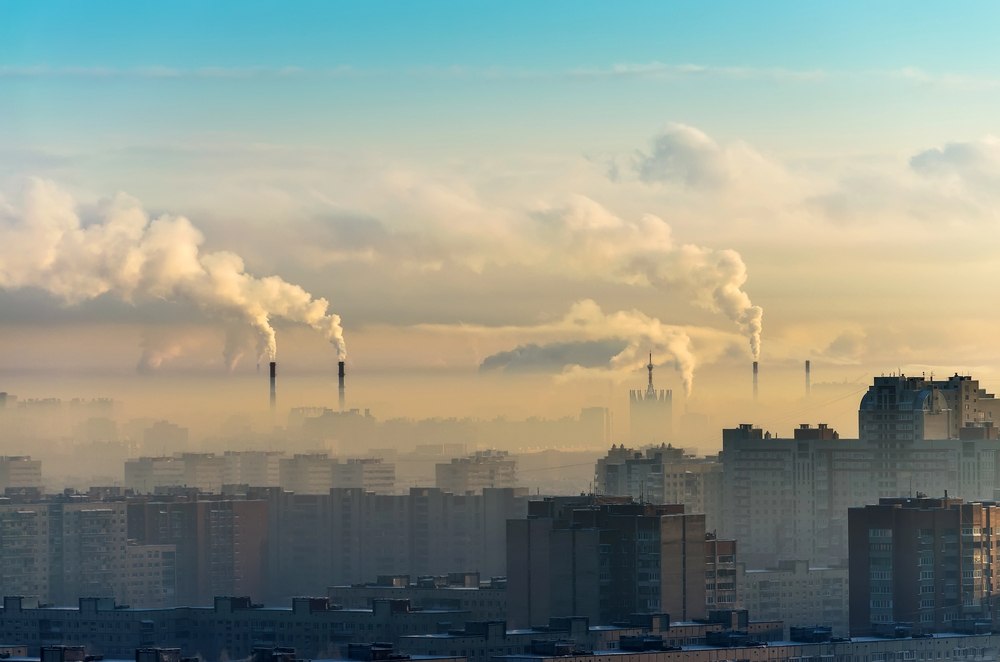
Air Pollution in Central Asia: Why Winter Smog Persists in Almaty, Bishkek, and Tashkent

Almaty is investing 325.9 billion tenge (about $720 million) in converting a coal-fired power plant to natural gas, but the plant will continue burning coal for several more years. Bishkek is restricting certain types of coal while maintaining supplies of permitted fuel for winter. Tashkent reported lower pollution over much of the year, though early October brought a sharp increase in harmful particles. Across these three Central Asian cities, winter smog remains a problem as the heating season begins. According to World Bank estimates, concentrations of fine particulate matter, known as PM2.5, in major Central Asian cities frequently exceed World Health Organization (WHO) guidelines by six to twelve times, particularly in winter. PM2.5 particles can penetrate deep into the lungs and increase the risk of respiratory and cardiovascular diseases. During colder months, emissions from heating and transportation accumulate near the ground. When winds are weak and temperature inversions occur, polluted air can remain trapped over a city for several days. Almaty: Gas Conversion, Coal Remains Almaty's heating season began on October 9, with schools and hospitals connected first, followed by residential buildings on October 10. By then, the modernization of CHP-2, the city's largest coal-fired heating plant and one of its biggest sources of industrial emissions, had yet to be completed. According to project estimates, converting the plant to natural gas should reduce annual emissions of harmful substances from 37,300 tons to 2,700 tons. However, those reductions will not be achieved immediately after the new equipment begins operating. Environmental assessment documents cited by Kursiv indicate that coal-fired boilers and turbines will continue operating alongside gas-fired units in 2027–2029 during commissioning and periods of peak winter demand. The documents also envisage keeping coal-fired equipment in operation into the 2030s to safeguard energy supplies in case of gas shortages. Vehicle exhaust is another major problem for Almaty. In April, the city introduced a pilot low-emission zone (LEZ) in its center. Until the end of the year, the zone is operating without entry fees, fines, or traffic restrictions. Separately, citywide emissions checks have been underway since the beginning of 2026. By late August, inspectors had tested 5,496 vehicles and found 1,301 exceeding emissions limits, nearly a quarter of those checked. Violations detected during citywide inspections can result in penalties. Bishkek: Coal Restrictions, but No Easy Alternative In Bishkek, the main cause of winter smog is heating in private homes. Residential heating accounts for approximately 29% of air pollution, transportation for 27%, and dust for 21%. Combined emissions from the main thermal power plant and smaller boiler houses account for 11%, according to international research cited by the city administration. In October 2025, the municipal authorities imposed restrictions on the sale, storage, and use of fine coal in Bishkek. They also stepped up inspections targeting waste burning and began converting some boiler houses to cleaner fuels. On October 1, 2026, the mayor's office announced plans to maintain adequate supplies of coal meeting quality standards at fuel depots across the city. For many private residents,...


Kazakhstan Expects to Double Renewable Energy Capacity by 2029

Kazakhstan expects to fully meet domestic electricity demand by early 2027 and move into a stable power surplus by 2029, partly through a planned doubling of renewable energy capacity, Energy Minister Yerlan Akkenzhenov said at a government meeting. Akkenzhenov said Kazakhstan’s power system currently includes 254 generation facilities, including 172 renewable energy installations. Conventional energy sources still dominate the country’s power mix. Coal-fired plants account for 13.7 gigawatts (GW) of installed capacity, gas-fired plants for 7.1 GW, and large hydropower stations for 2.5 GW. Kazakhstan’s total installed generating capacity stands at 27.1 GW, while renewable energy facilities account for 3.8 GW. Kazakhstan generated a record 123.1 billion kilowatt-hours (kWh) of electricity last year, while consumption reached 124.6 billion kWh. This year, output is expected to rise further to 126.5 billion kWh, the ministry said. The gap between production and consumption has been narrowing steadily, and the government plans to commission 13.3 GW of new capacity by the end of 2029, including 5.9 GW from renewable energy sources. “By 2029, 13.3 GW of new capacity will be commissioned. Of this volume, 12.56 GW will come from entirely new generation facilities, while 0.74 GW will replace existing capacity,” Akkenzhenov said. “The commissioning of new facilities will allow us to fully meet the economy’s electricity demand starting from early 2027, followed by a surplus. This additional generation will also support energy-intensive artificial intelligence infrastructure and large data centers,” he added. Under Kazakhstan’s Energy Sector Development Plan through 2035, the government also plans to introduce more than 26.3 GW of additional generating capacity. The ministry said the decision to build new facilities is based on long-term projections of rising electricity demand. Kazakhstan is also implementing a national project to expand coal-fired generation using what officials describe as cleaner coal technologies in line with environmental regulations. That program includes investment projects with a combined installed capacity of around 7.8 GW. Key projects include the construction of the Ekibastuz GRES-3 power plant, a thermal power station in Kurchatov, and three new combined heat and power plants in Kokshetau, Semey, and Ust-Kamenogorsk. In total, the national energy project includes 19 initiatives, eight new projects and 11 focused on the expansion and modernization of existing facilities. As previously reported by The Times of Central Asia, Kazakhstan’s electricity deficit was projected to reach 5.7 billion kWh in January 2025, up from 2.4 billion kWh a year earlier. The country currently imports most of its shortfall from Russia and signed an agreement with Tajikistan in May 2025 to import electricity from the Rogun Hydropower Plant.