
• KZT/USD = 0.00209
  • TJS/USD = 0.10810
  • UZS/USD = 0.00008
  • TMT/USD = 0.29760
  • KZT/USD = 0.00209
  • TJS/USD = 0.10810
  • UZS/USD = 0.00008
  • TMT/USD = 0.29760
  • KZT/USD = 0.00209
  • TJS/USD = 0.10810
  • UZS/USD = 0.00008
  • TMT/USD = 0.29760
  • KZT/USD = 0.00209
  • TJS/USD = 0.10810
  • UZS/USD = 0.00008
  • TMT/USD = 0.29760
  • KZT/USD = 0.00209
  • TJS/USD = 0.10810
  • UZS/USD = 0.00008
  • TMT/USD = 0.29760
  • KZT/USD = 0.00209
  • TJS/USD = 0.10810
  • UZS/USD = 0.00008
  • TMT/USD = 0.29760
  • KZT/USD = 0.00209
  • TJS/USD = 0.10810
  • UZS/USD = 0.00008
  • TMT/USD = 0.29760
  • KZT/USD = 0.00209
  • TJS/USD = 0.10810
  • UZS/USD = 0.00008
  • TMT/USD = 0.29760

Viewing results 1 - 6 of 2

EU Grants Kazakhstan Exemption to Transit Coal Through Sanctioned Russian Ports

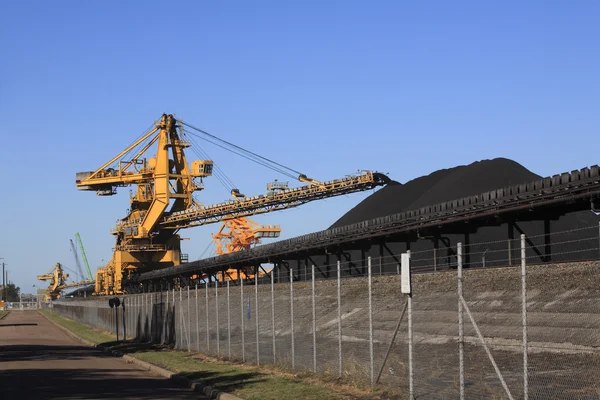
The European Union has granted Kazakhstan an exemption permitting the transit of Kazakh coal through select Russian ports previously restricted under EU sanctions. The decision, included in the EU’s 18th package of sanctions, aims to secure Kazakhstan’s coal exports to Europe. The exemption follows months of negotiations led by the Ministry of Trade and Integration, the Ministry of Foreign Affairs, and Kazakhstan’s Permanent Mission to the EU. The talks were prompted by sanctions introduced in February 2024 under the 16th EU sanctions package, which included a ban on transactions with Ust-Luga port, one of the main routes for Kazakh coal shipments to the EU. “To resolve the situation, work was carried out at various levels and an official request was sent to the European Commission asking for changes to the sanctions regime,” the ministry stated. “As a result, the 18th package of EU sanctions contains amendments allowing transactions with a number of Russian ports for the transit of coal of Kazakh origin.” Conditions of the Exemption The exemption is conditional and tightly regulated: Only coal of Kazakh origin may be transited; Ownership of the cargo must not involve entities from countries under EU sanctions, including Russia and Belarus; The designated Russian ports may be used solely for transit purposes, specifically loading and dispatch, without any procurement or production activities on site. Trade Impact Kazakhstan remains a key coal supplier to the European market. In 2022, it exported 4.4 million tons of coal to the EU, generating $419.2 million, representing 45% of total coal exports. Although volume increased to 6.1 million tons in 2023 (54.3%), falling global prices reduced revenue to $382 million. In 2024, exports declined to 5.2 million tons worth $312.5 million (51.8%). During the first five months of 2025, Kazakhstan exported 1.6 million tons to the EU, generating $82.9 million and accounting for 38.5% of total coal exports over that period. “Despite the temporary decline in indicators, the measures taken are creating conditions for the restoration of export flows and increased stability of logistics routes,” the ministry said. “Kazakhstan will continue to work to protect trade interests, support national exports, and strengthen economic ties with key partners.” As previously reported by The Times of Central Asia, domestic coal consumption in Kazakhstan is expected to decrease due to government plans to phase out pilot coal-fired power plants in favor of renewable energy and low-carbon technologies, including gas. 
Kazakhstan Boosts Rail Transit of Grain and Coal Through Russia

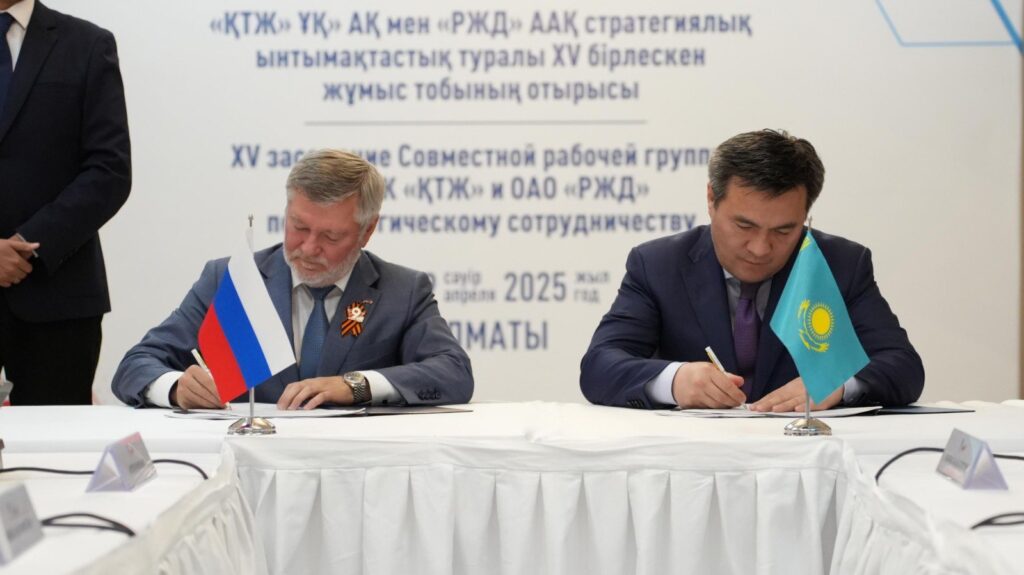
Kazakhstan has significantly increased the volume of grain and coal transported via rail through Russia, particularly along the eastern route of the North-South transport corridor. According to Kazakhstan Temir Zholy (KTZ), the country’s national railway operator, container traffic along this corridor rose by 63% in the first quarter of 2025, surpassing 1,000 twenty-foot equivalent units (TEU).  The North-South corridor links Russia, Kazakhstan, Turkmenistan, and Iran, with an annual cargo capacity of 10 million tons. Its eastern route, which passes through Kazakhstan, is emerging as a vital artery for regional trade. Grain and Container Exports on the Rise Between September 2024 and April 2025, Kazakhstan exported over 650,000 tons of grain through Russian and Baltic Sea ports. Meanwhile, containerized freight between China and Russia via Kazakhstan increased by 30% year-on-year during the first quarter of 2025, exceeding 132,000 TEU. Coal Shipments Surge Coal transit volumes saw a particularly dramatic rise. From January to March 2025, Kazakhstan exported 2.3 million tons of coal through Russian territory, an increase of 44.5% compared to the same period in 2024. Of this total, 1.3 million tons were shipped through Baltic Sea ports, while another 900,000 tons were exported via Azov and Black Sea ports, a fivefold increase over last year. At an April 28 meeting in Almaty, representatives from KTZ and Russian Railways reaffirmed their commitment to expanding cooperation. The two sides agreed to increase shipments of Kazakh coal to Russian ports and continue developing strategic joint initiatives. In November 2024, KTZ and Russian Railways signed a landmark agreement to modernize railway infrastructure at nine key border stations. The deal includes plans to increase capacity and implement a unified digital system to streamline transportation and cross-border logistics.
