• KGS/USD = 0.01144 0%
  • KZT/USD = 0.00204 0%
  • TJS/USD = 0.10396 0%
  • UZS/USD = 0.00008 0%
  • TMT/USD = 0.28490 0%
  • KGS/USD = 0.01144 0%
  • KZT/USD = 0.00204 0%
  • TJS/USD = 0.10396 0%
  • UZS/USD = 0.00008 0%
  • TMT/USD = 0.28490 0%
  • KGS/USD = 0.01144 0%
  • KZT/USD = 0.00204 0%
  • TJS/USD = 0.10396 0%
  • UZS/USD = 0.00008 0%
  • TMT/USD = 0.28490 0%
  • KGS/USD = 0.01144 0%
  • KZT/USD = 0.00204 0%
  • TJS/USD = 0.10396 0%
  • UZS/USD = 0.00008 0%
  • TMT/USD = 0.28490 0%
  • KGS/USD = 0.01144 0%
  • KZT/USD = 0.00204 0%
  • TJS/USD = 0.10396 0%
  • UZS/USD = 0.00008 0%
  • TMT/USD = 0.28490 0%
  • KGS/USD = 0.01144 0%
  • KZT/USD = 0.00204 0%
  • TJS/USD = 0.10396 0%
  • UZS/USD = 0.00008 0%
  • TMT/USD = 0.28490 0%
  • KGS/USD = 0.01144 0%
  • KZT/USD = 0.00204 0%
  • TJS/USD = 0.10396 0%
  • UZS/USD = 0.00008 0%
  • TMT/USD = 0.28490 0%
  • KGS/USD = 0.01144 0%
  • KZT/USD = 0.00204 0%
  • TJS/USD = 0.10396 0%
  • UZS/USD = 0.00008 0%
  • TMT/USD = 0.28490 0%

Viewing results 1 - 6 of 11

Kyrgyz MP Questions Why Uzbekistan and Kazakhstan Don’t Pay for Irrigation Water

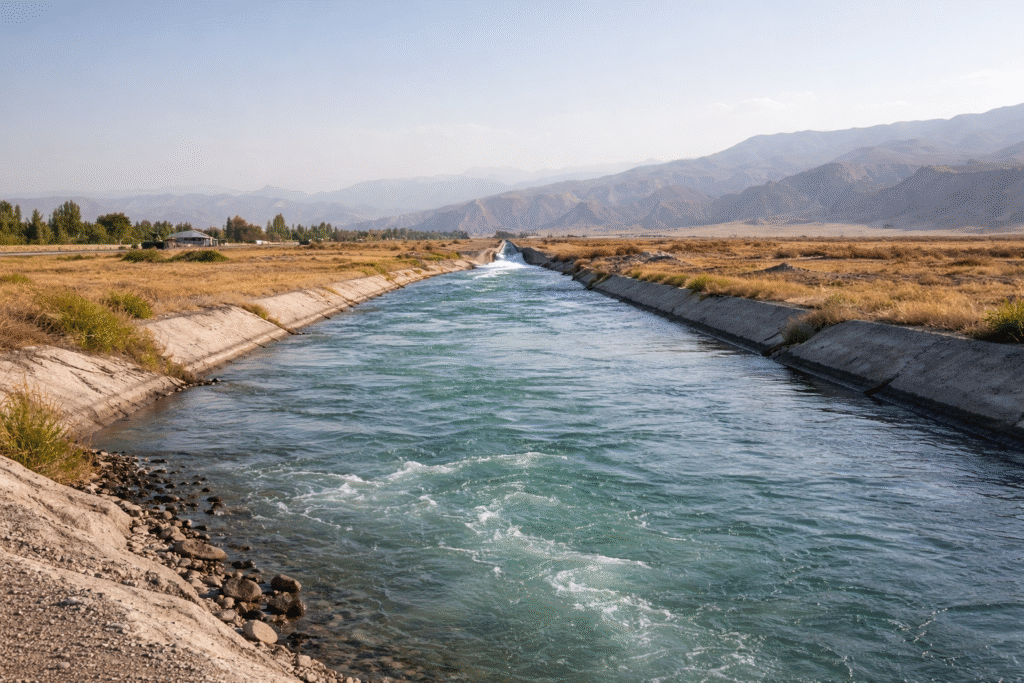
A long-standing debate over Kyrgyzstan’s water resources resurfaced this week after a member of parliament questioned why Uzbekistan and Kazakhstan do not compensate Kyrgyzstan for irrigation water sourced from its reservoirs, according to a report by Kaktus Media. Speaking at a February 9 meeting of the parliamentary committee on agrarian policy, water resources, ecology, and subsoil use, MP Umbetaly Kydyraliev raised concerns about growing water shortages caused by climate change and the lack of economic return from water exports to neighboring countries. “About 80% of the water in our reservoirs goes to Kazakhstan and Uzbekistan,” said Kydyraliev. “How are we resolving this issue with them?” Regional Cooperation vs. Compensation In response, Deputy Prime Minister and Minister of Water Resources, Agriculture, and Processing Industry Bakyt Torobaev explained that while Uzbekistan and Kazakhstan are not making direct payments for water, they are contributing to major regional infrastructure projects, most notably, the Kambar-Ata-1 hydropower plant. Torobaev emphasized that cooperation is based on mutual benefit rather than transactional agreements. He noted that both countries have expressed strong interest in ensuring reliable access to water and have supported the hydropower initiative accordingly. Kambar-Ata-1: Strategic Investment Kambar-Ata-1, originally launched during the Soviet era and later shelved, is poised to become one of Central Asia’s largest hydropower plants. Once completed, it is expected to surpass the output of the Toktogul hydropower station, currently Kyrgyzstan’s main source of electricity. The plant's projected cost is around $3.6 billion. Who Should Pay for Upkeep? Kydyraliev also cited other key reservoirs, including Kempir-Abad (jointly managed with Uzbekistan), Kirov, and Orto-Tokoy, which remain under Kyrgyzstan’s jurisdiction. Annual intergovernmental commissions determine how much water is released from these facilities, yet no financial compensation is received. “Does this mean Kyrgyzstan gains no economic benefit from maintaining these hydropower facilities?” he asked. “We have to repair them, stabilize water levels, and inspect dams. These are real costs. Other countries pay for water under international law.” Official Position: No Demands for Payment Deputy Energy Minister Nasipbek Kerimov noted that the issue is being jointly studied by energy and water specialists. Torobaev added that details of these discussions are confidential but confirmed that President Sadyr Japarov has instructed officials not to demand payments from neighboring states for infrastructure maintenance. Instead, Kyrgyzstan will shoulder those costs itself, with any external assistance remaining voluntary.
Shell and Eni Face Up to $4 Billion Payout to Kazakhstan After Arbitration Ruling

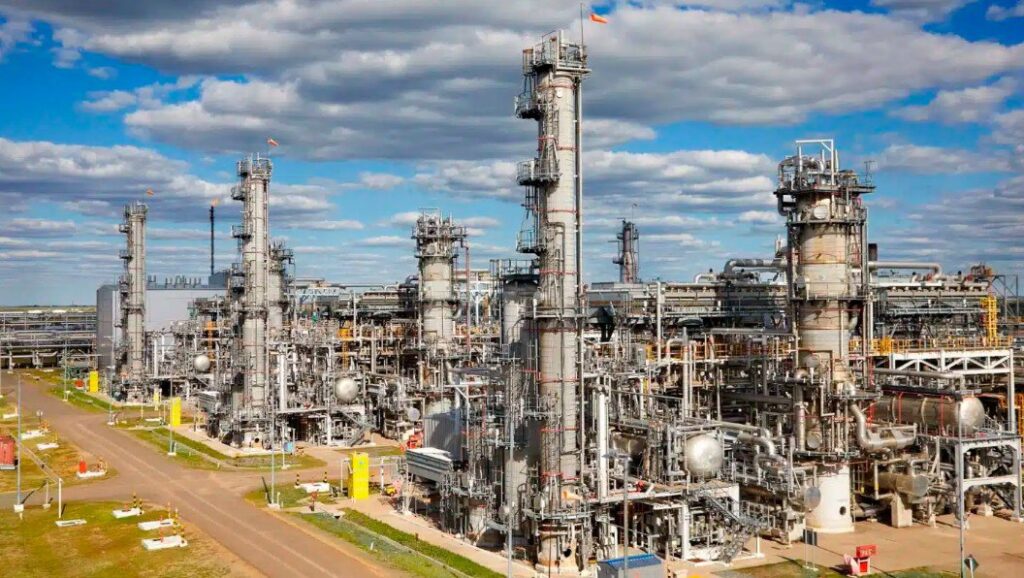
Oil and gas majors Shell and Eni, key stakeholders in Kazakhstan’s Karachaganak field, have lost a key stage in an international arbitration case in London and may be required to pay the Kazakh government between $2 billion and $4 billion in compensation. The decision was first reported by Bloomberg. According to the ruling, the arbitration panel upheld Kazakhstan’s argument that the project operators had charged the state under a production sharing agreement (PSA) for unapproved cost overruns and other ineligible expenses. The tribunal found that a significant share of the disputed costs should not have been recovered from the state, siding with Kazakhstan on the central legal question. The arbitration proceedings were conducted behind closed doors, in line with standard practice for PSA disputes. The final compensation amount has yet to be determined, and the ruling remains subject to appeal. However, Bloomberg reported that the tribunal concluded the consortium must return a substantial portion of the contested funds, a decision that could require changes to the PSA’s oil and gas distribution formula. Karachaganak is one of Kazakhstan’s largest oil and gas projects and a cornerstone of the country’s energy sector. The field is operated by the Karachaganak Petroleum Operating consortium, which includes Shell, Eni, Chevron, Kazakhstan’s national oil and gas company KazMunayGas, and Russia’s Lukoil. The Kazakh government initially sought more than $6 billion in compensation, arguing that improper cost recovery had reduced state revenues over several years. The dispute was formally launched in 2023 and followed a broader effort by Kazakhstan to assert stricter oversight over major hydrocarbon projects governed by PSAs. In 2024, international partners reportedly proposed resolving the dispute by constructing a long-delayed gas processing plant at Karachaganak to supply the domestic market, an offer seen as an attempt to reach a negotiated settlement. The plant has long been a point of contention, with Kazakhstan pushing for increased gas processing capacity inside the country rather than exporting raw gas. Kazakhstan’s Ministry of Energy has declined to provide further details on the arbitration, citing confidentiality provisions. In response to an inquiry from BAQ.KZ, the ministry said: “All arbitration materials are subject to the confidentiality of the production sharing agreement and the arbitration agreement between the parties. Until the restrictions are lifted, it is not possible to provide any information.” The ruling marks one of the most significant recent legal setbacks for foreign oil companies operating in Kazakhstan in recent years and could have broader implications for how costs are approved and recovered under PSAs across the country’s energy sector.

Kazakhstan Proposes Doubling Insurance Payments for Traffic Accident Victims

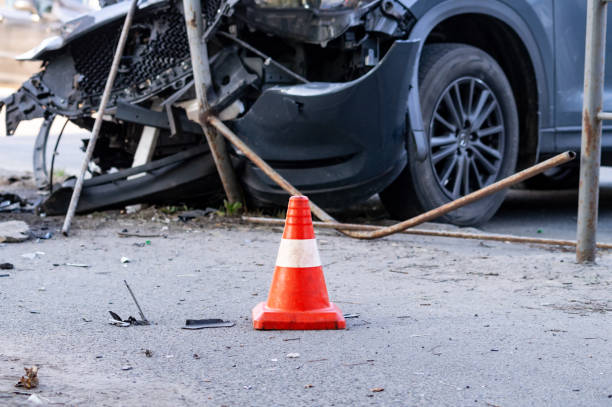
Kazakhstan is considering major changes to its compulsory motor insurance legislation, with members of parliament proposing to double compensation payments for victims of traffic accidents. Presenting the bill in the Mazhilis, MP Nartay Sarsengaliyev said the initiative aims to restore social justice and strengthen financial protection for citizens. He said current compensation levels no longer reflect the country’s actual economic conditions. At present, in the event of a fatal traffic accident, the dependents of an adult victim receive approximately $13,600. Under the proposed amendments, this amount would rise to around $29,100. The bill also outlines a similar twofold increase in compensation for children and individuals who become disabled as a result of accidents. A key provision of the legislation addresses how compensation is distributed in the event of a fatality. Currently, payouts are made only to dependents or those under the care of the deceased. If no such individuals exist, no compensation is paid. Lawmakers propose amending this policy to allow funds to be transferred to the spouse or parents of the deceased in such cases. According to Sarsengaliyev, denying compensation despite regular insurance premium payments during a person’s lifetime is unjust. The proposed legislation would also require insurance companies to proactively contact the families of deceased victims and hire independent experts to assess damages. While the initiative has broad parliamentary support, lawmakers acknowledged the financial risks involved. Deputy Tatyana Savelyeva noted that while the government supports the proposal in principle, the Cabinet has warned that doubling insurance payouts could result in a more than threefold increase in the cost of insurance policies. Maria Khadzhieva, Deputy Chair of the Agency for Regulation and Development of the Financial Market, highlighted the financial pressure already facing insurers. Over the past five years, auto insurance payouts have increased 3.7 times to reach $135.1 million, while premiums collected have grown by just 47% to $67 million. She argued that further increases in payouts would be unsustainable without a corresponding rise in insurance premiums. As previously reported by the Times of Central Asia, Kazakhstan set a national record for new car sales this year, further straining the country’s auto insurance system.

Kyrgyzstan Triples Blood Donation Compensation to Boost Supplies

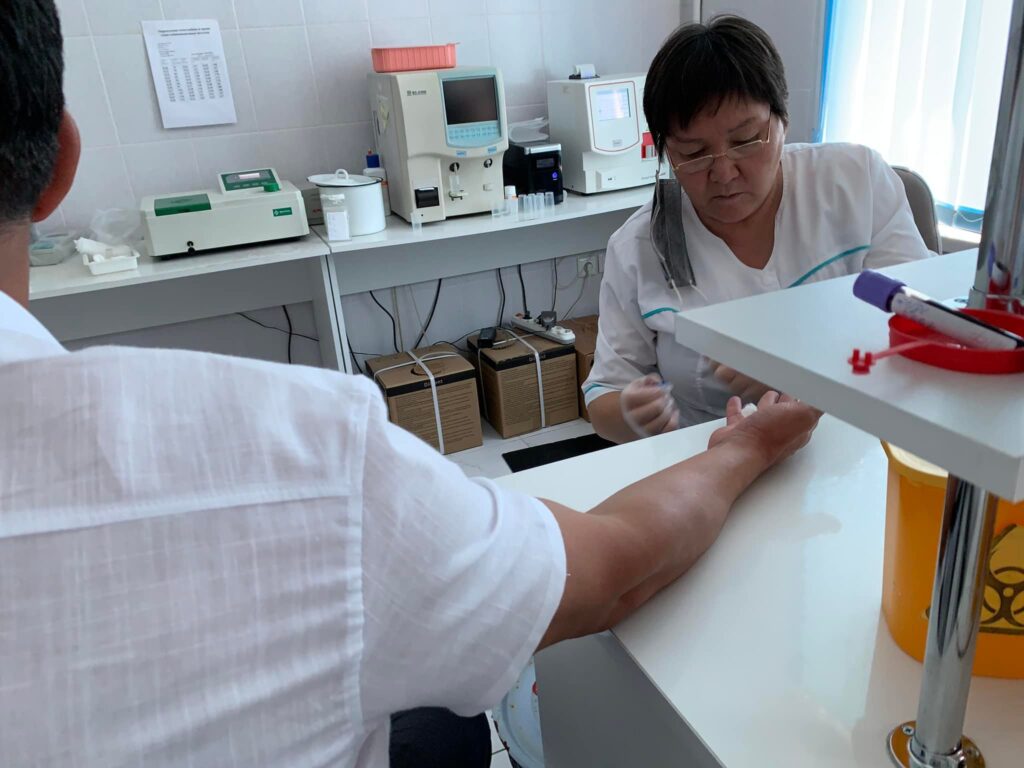
The Kyrgyz government has tripled financial compensation for blood donors in a move aimed at securing adequate blood supplies for hospitals nationwide. The decision marks the first increase in donor payments since 2009. According to a government statement, the new policy is designed to promote blood donation, enhance the quality of medical care, and ensure consistent availability of blood and its components for hospitalized patients. “Despite technological advances, donated blood and its components remain an indispensable national resource,” officials noted. Under the updated compensation scheme, blood donors will now receive 800 Kyrgyz som, or approximately $9-10, in addition to a free meal on the day of donation. This represents a significant increase from the previous 300 KGS ($3-4). Double immune plasma donations will now be compensated at 1,600 KGS (about $18). Meeting Demand, Especially in Emergencies Representatives of the Republican Blood Center told The Times of Central Asia that while there is generally an adequate supply of blood across the country, occasional shortages occur, particularly with rare blood types and negative Rhesus factors. In such cases, hospitals may issue public appeals via media outlets to solicit donations. “At the moment, we are meeting the needs of all patients. However, certain blood types remain in limited supply. These are usually rare groups with a negative Rhesus factor,” a spokesperson from the center said. “The increased compensation is not only to encourage more people to donate but also to support their health. Donors need to eat well on the day they give blood, and proper nutrition supports faster recovery.” The center publishes up-to-date data on blood availability by region on its official website. Funding for the enhanced donor compensation is being drawn from the state budget, with additional support from a dedicated special account for blood donation programs.

Russian Insurer Pays Compensation for AZAL Crash Near Aktau

The Russian insurance company AlfaStrakhovanie has completed payments under aviation hull insurance for the Embraer 190 aircraft operated by AZAL Airlines that crashed near the Kazakhstani city of Aktau. Additionally, compensation payments to passengers have begun, according to Ilya Kabachnyk, Deputy General Director for Aviation and Space Insurance at the company.  "Full payment for the aircraft was made in February," Kabachnyk stated, noting that a significant portion of the risk was reinsured by the Russian National Reinsurance Company (RNPC). While the exact amount of compensation has not been disclosed, industry experts estimate it to be between $25 million and $30 million. Compensation payments to passengers began in January and are ongoing. These payments are being made in accordance with the Montreal Convention of 1999 and Russia’s Compulsory Insurance of Civil Liability of Carriers (OSGOP) law, which provides for compensation of up to 2 million RUB (approximately $22,000) for injury or loss of life. Regarding potential claims for damage to third parties, Kabachnyk said no such claims have been received so far. "If they arise, we will work with the airline accordingly," he added. Investigation and Cause of the Crash The crash occurred on December 25, 2024, during an AZAL flight from Baku to Grozny. There were 67 people on board, 38 of whom died, the majority of them Azerbaijani citizens. According to Reuters, citing an unnamed source, the aircraft was shot down by a Russian Pantsir-S missile. Azerbaijani authorities have supported this claim, stating that they have recovered fragments of the missile. In early February, Kazakhstan published a preliminary report on the crash, which described external damage to the aircraft.