• KGS/USD = 0.01144 0%
  • KZT/USD = 0.00215 0%
  • TJS/USD = 0.10641 0%
  • UZS/USD = 0.00008 0%
  • TMT/USD = 0.28530 0%
  • KGS/USD = 0.01144 0%
  • KZT/USD = 0.00215 0%
  • TJS/USD = 0.10641 0%
  • UZS/USD = 0.00008 0%
  • TMT/USD = 0.28530 0%
  • KGS/USD = 0.01144 0%
  • KZT/USD = 0.00215 0%
  • TJS/USD = 0.10641 0%
  • UZS/USD = 0.00008 0%
  • TMT/USD = 0.28530 0%
  • KGS/USD = 0.01144 0%
  • KZT/USD = 0.00215 0%
  • TJS/USD = 0.10641 0%
  • UZS/USD = 0.00008 0%
  • TMT/USD = 0.28530 0%
  • KGS/USD = 0.01144 0%
  • KZT/USD = 0.00215 0%
  • TJS/USD = 0.10641 0%
  • UZS/USD = 0.00008 0%
  • TMT/USD = 0.28530 0%
  • KGS/USD = 0.01144 0%
  • KZT/USD = 0.00215 0%
  • TJS/USD = 0.10641 0%
  • UZS/USD = 0.00008 0%
  • TMT/USD = 0.28530 0%
  • KGS/USD = 0.01144 0%
  • KZT/USD = 0.00215 0%
  • TJS/USD = 0.10641 0%
  • UZS/USD = 0.00008 0%
  • TMT/USD = 0.28530 0%
  • KGS/USD = 0.01144 0%
  • KZT/USD = 0.00215 0%
  • TJS/USD = 0.10641 0%
  • UZS/USD = 0.00008 0%
  • TMT/USD = 0.28530 0%

Viewing results 1 - 6 of 6

Opinion – Kazakhstan’s New Constitution Sends a Key Signal for Global Partners

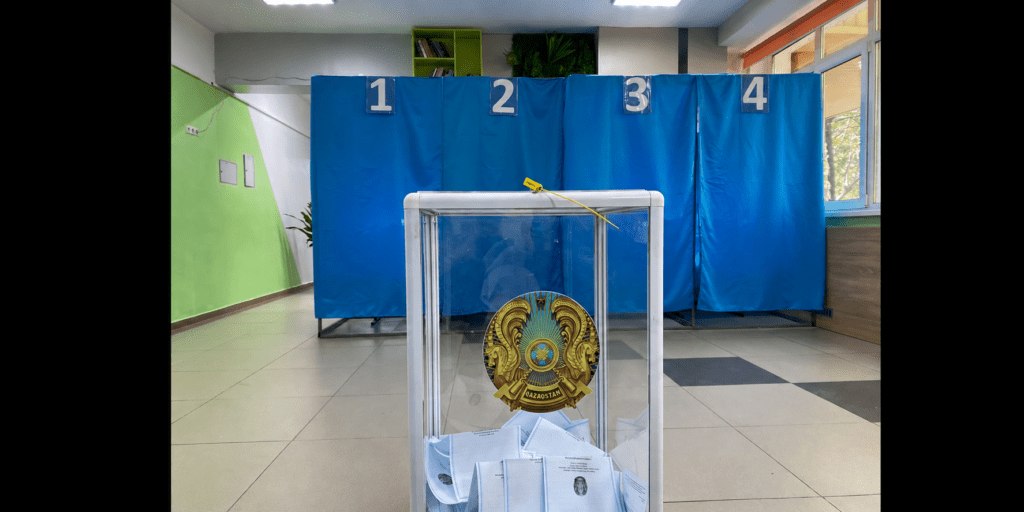
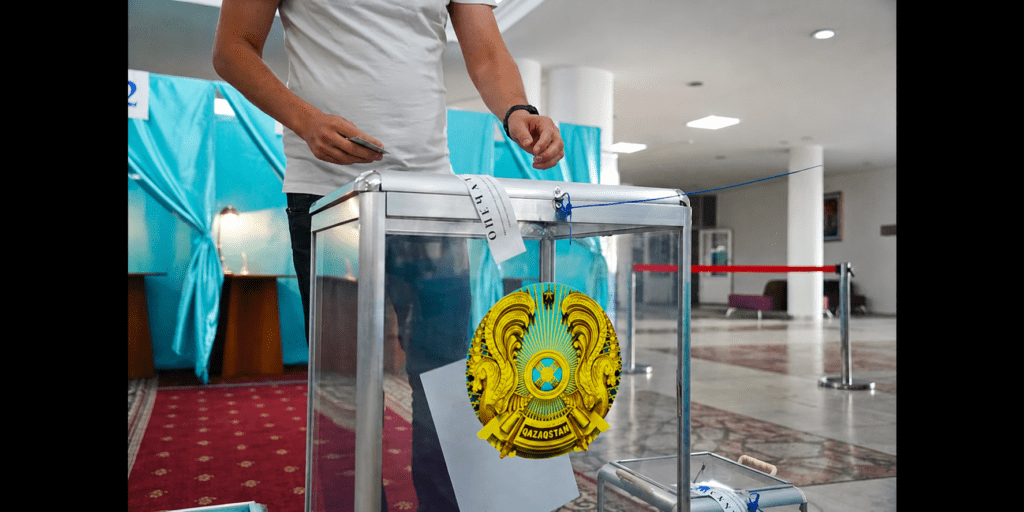
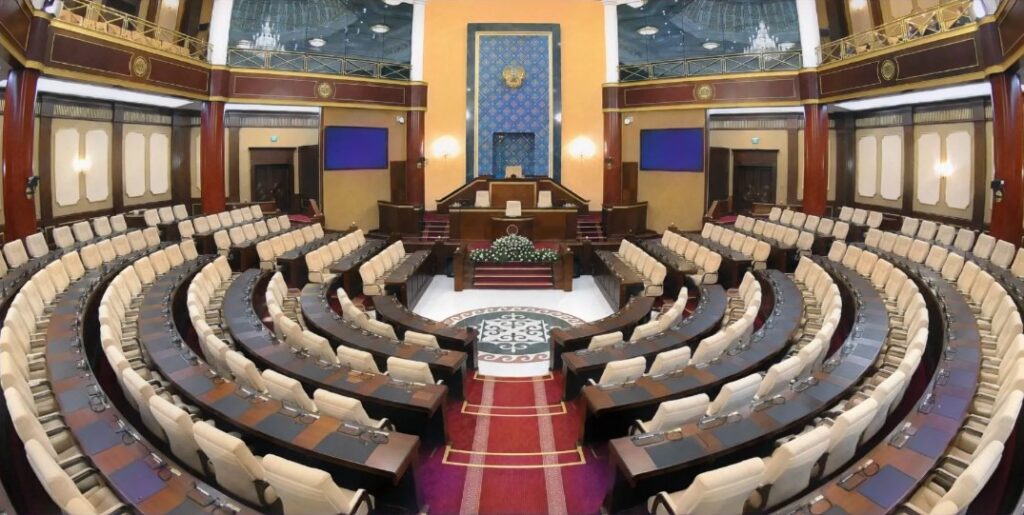
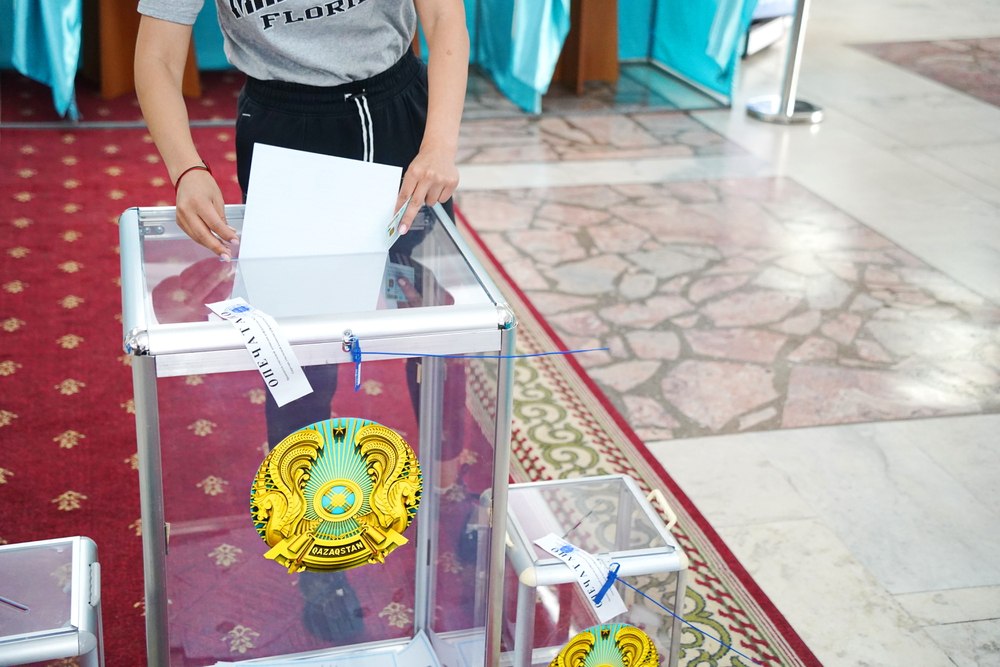
In a nationwide referendum on March 15, over 87% of voters approved a new constitution for Kazakhstan. It was a significant victory for President Tokayev and his administration, all the more so because voter turnout exceeded 73%. Kazakhstan’s new constitution is a key signal for global partners. It replaces the old bicameral system with a unicameral legislature, establishes the Halyk Kenesi (People’s Council), an advisory body intended to promote national dialogue, and creates a vice presidency to provide for clearer succession at the top of the state. The new constitution is the outcome of a strategy that has been building for some time. Now, backed by a clear majority, Kazakhstan’s leadership is seeking to strengthen governance by redistributing power, lessening political ambiguity, and grounding politics in shared values—however difficult that may be to accomplish. All of this is being pursued despite—and perhaps because of—the nation’s history of corruption and nepotism. Kazakhstan’s constitutional reforms were deliberate, structural measures designed to reorient the country’s governmental machinery toward what supporters describe as the common good. That, at least, is the stated intention, reflected in a slogan often used by backers of the new constitution: “A strong president, an influential parliament, and an accountable government.” Some outside observers have viewed the new constitution favorably, framing it as an effort to streamline governance and clarify institutional roles, while others have warned that the changes could impede sociopolitical progress and human rights by prioritizing stronger governance. Some also see the reforms as signaling a move toward more restrictive political practices. These alarmist interpretations are overstated. Astana’s constitutional reforms fit into an ongoing political effort, using the law to strengthen civic involvement and the well-being of the community as a whole, not just individual interests. The new constitution did not emerge ex nihilo for the purpose of freezing elite advantages at the expense of the people, as others in Kazakhstan and the broader region have done in the past. That interpretation of constitutional change in Central Asia overlooks the government’s broader reform agenda, whatever its perceived shortcomings. In his March 31 article, A New Constitution for a Just, Strong, and Prosperous Kazakhstan, President Tokayev framed Kazakhstan as a rules-oriented state, emphasizing rights, judicial independence, and impartial institutions—an approach that stands out regionally despite open questions about follow-through. Tokayev emphasized that “The new constitution is about people, not just better government.” The constitution’s largest section is dedicated to protecting freedoms and rights based on common sense and traditional values, including privacy, personal data, private property, and home inviolability. Judicial independence is reinforced to ensure that all citizens receive qualified, impartial defense – at least that’s the intent. Amendments require a public referendum, ensuring that fundamental choices remain popular. Religious liberty is guaranteed in a secular society. The constitution also presents Kazakhstan as a more attractive and predictable place to do business, for both domestic and foreign investors. The constitution, according to Tokayev, “sets clear rules for economic activity.” As such, the reforms create a political culture that aims...

Kazakhstan Prepares for Its First-Ever Administrative Amnesty

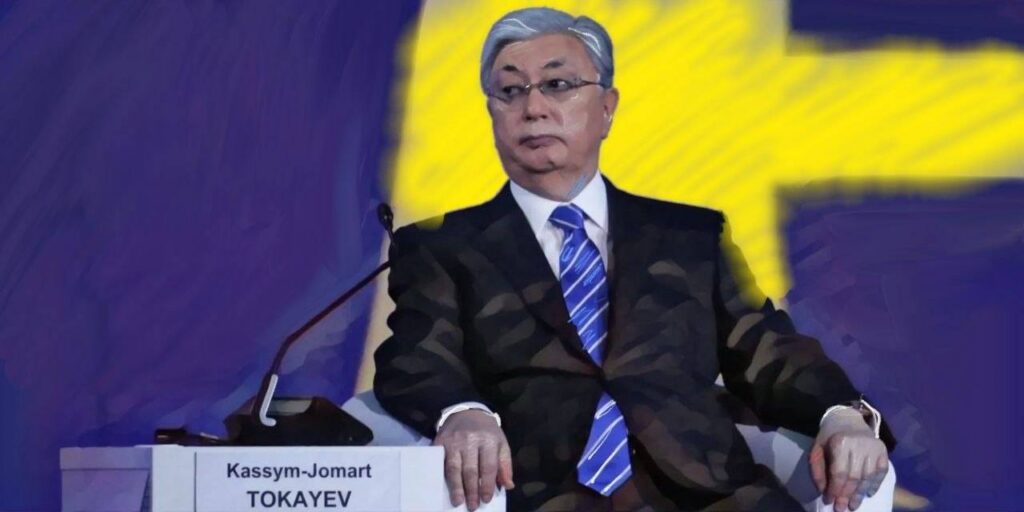
President Kassym-Jomart Tokayev has announced plans to introduce Kazakhstan’s first-ever administrative amnesty. The statement was made during a ceremony marking the adoption of the country’s new Constitution. In the past, Kazakhstan has periodically granted amnesties to individuals convicted of criminal offenses, often timed to coincide with national anniversaries. The most recent such amnesty was carried out in 2025 to mark the 30th anniversary of the Constitution. The new initiative is linked to the adoption of the updated Constitution. On March 15, a nationwide referendum was held in which a majority of voters supported the new basic law. The document is scheduled to enter into force on July 1, 2026. Speaking at the ceremony, Tokayev said that constitutional reform represents a transition to a new stage in the country’s development and requires a reassessment of the relationship between the state and society. “The People’s Constitution is a strategic mandate of trust and a new social contract aimed at long-term goals and horizons of progress,” the president said. He instructed parliament to adopt an amnesty law by the end of the current session. The proposed amnesty is expected to cover a range of criminal and administrative offenses that do not pose a threat to public or national security. The current parliamentary session is due to conclude at the end of June. Under the new Constitution, however, the powers of the existing parliament will cease on July 1, 2026, the same day the new constitutional framework enters into force. In the near future, five new constitutional laws are expected to be submitted to parliament, including legislation governing the presidency, the Kurultai (the future parliament), the Halyk Kenesi (People's Council), as well as laws regulating the status of the capital and the country’s administrative-territorial structure. According to Tokayev, eight existing constitutional laws and more than 60 regulatory acts, including key legal codes, will also require revision. These legislative changes are expected to be synchronized with upcoming parliamentary elections. Elections to the new unicameral parliament are likely to take place before the opening of the next parliamentary session, which traditionally begins on September 1. As a result, voting could be held within the coming months. “By that time, preparation of the necessary legal framework must be fully completed. The comprehensive transformation of Kazakhstan’s legal and political system will continue throughout this year and possibly into the next,” the president said. According to Tokayev, the reforms envisage the creation of new state institutions, as well as structural and personnel changes within existing government bodies.