
• KGS/USD = 0.01144 0%
  • KZT/USD = 0.00205 0%
  • TJS/USD = 0.10761 0%
  • UZS/USD = 0.00008 0%
  • TMT/USD = 0.28490 0%
  • KGS/USD = 0.01144 0%
  • KZT/USD = 0.00205 0%
  • TJS/USD = 0.10761 0%
  • UZS/USD = 0.00008 0%
  • TMT/USD = 0.28490 0%
  • KGS/USD = 0.01144 0%
  • KZT/USD = 0.00205 0%
  • TJS/USD = 0.10761 0%
  • UZS/USD = 0.00008 0%
  • TMT/USD = 0.28490 0%
  • KGS/USD = 0.01144 0%
  • KZT/USD = 0.00205 0%
  • TJS/USD = 0.10761 0%
  • UZS/USD = 0.00008 0%
  • TMT/USD = 0.28490 0%
  • KGS/USD = 0.01144 0%
  • KZT/USD = 0.00205 0%
  • TJS/USD = 0.10761 0%
  • UZS/USD = 0.00008 0%
  • TMT/USD = 0.28490 0%
  • KGS/USD = 0.01144 0%
  • KZT/USD = 0.00205 0%
  • TJS/USD = 0.10761 0%
  • UZS/USD = 0.00008 0%
  • TMT/USD = 0.28490 0%
  • KGS/USD = 0.01144 0%
  • KZT/USD = 0.00205 0%
  • TJS/USD = 0.10761 0%
  • UZS/USD = 0.00008 0%
  • TMT/USD = 0.28490 0%
  • KGS/USD = 0.01144 0%
  • KZT/USD = 0.00205 0%
  • TJS/USD = 0.10761 0%
  • UZS/USD = 0.00008 0%
  • TMT/USD = 0.28490 0%

Viewing results 1 - 6 of 2

Uzbekistan Withdraws Several Chinese-Made Toys Over Safety Concerns

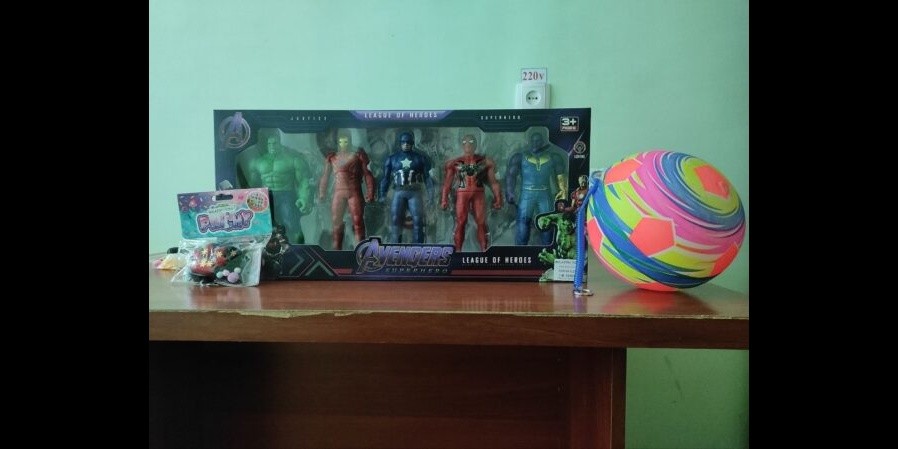
Several Chinese-made children’s toys have been removed from sale in Uzbekistan after laboratory tests found that they failed to meet safety requirements, according to the Inspection for Control in the Field of Technical Regulation. The violations were discovered during a test purchase at a retail outlet in the city of Jizzakh. Specialists from the inspection agency’s regional branch, together with experts from the sanitary and epidemiological service, collected samples of several products, including an elastic spiral ball toy, a cat paw toy sold under the Pinch brand, and an Avengers Superhero toy. According to the inspection agency, laboratory testing revealed a number of safety issues. The toys reportedly emitted a strong odor, had protective coatings that were not resistant to moisture, contained small parts that were not securely attached, and showed insufficient resistance to mechanical stress. Tests also found formaldehyde levels exceeding established safety limits. Health experts warned that formaldehyde can irritate the respiratory system, eyes, and skin, and may trigger allergic reactions. Children are considered particularly vulnerable to such exposure. Inspectors also noted that detachable small parts could create choking hazards or cause injuries if swallowed. In addition to the physical safety concerns, authorities found that product labels lacked mandatory information in Uzbek. Officials said the identified violations did not comply with the country’s General Technical Regulation on the Safety of Children’s Toys. As a result, warning notices were issued to the businesses involved, and measures were taken to remove the products from store shelves and halt further sales. The case highlights the importance of toy safety standards, which are widely regulated around the world. International frameworks, including standards developed by the International Organization for Standardization and safety requirements used in the European Union, generally require toys to be free from hazardous levels of toxic substances, durable enough to withstand normal use, and designed to minimize risks such as choking, poisoning, or injury. This is not the first recent product safety case involving goods for children in Uzbekistan. In January, The Times of Central Asia reported on a Nestlé infant formula recall in Uzbekistan and Kazakhstan linked to a potential contamination risk.

Kyrgyzstan’s Microloan Market Expands as Borrower Numbers More Than Double

The volume of microloans issued in Kyrgyzstan rose sharply in the first quarter of 2026, while the number of borrowers more than doubled, highlighting the growing role of digital lending in the country’s financial sector. Microcredit organizations issued loans worth more than $263 million to approximately 807,000 borrowers between January and March, according to data from the National Statistics Committee. The total value of microloans increased by 23% compared with the same period a year earlier, while the number of recipients more than doubled. The growth was driven largely by the expansion of short-term online lending services. Consumer loans accounted for the largest share of lending activity, making up 63% of all microloans issued. Loans for agricultural development represented more than 16% of the total, while lending to trade and catering businesses accounted for more than 9%. Bishkek accounted for the largest share of borrowers, with around 46% of all microloan recipients nationwide. The Chui region represented 12% of recipients, followed by the Osh region at about 10% and the Jalal-Abad region at 9.5%. The figures show the increasing importance of microfinance in Kyrgyzstan, where access to credit has expanded rapidly through digital platforms and non-bank financial institutions The expansion of the sector has also prompted regulators to tighten consumer protection measures. In November 2025, Kyrgyzstan introduced a voluntary self-restriction mechanism that allows individuals to block loans or credit products from being issued in their name. The measure was designed to combat fraud involving stolen or forged identity documents. Under the regulation, banks and microfinance institutions must check whether a customer has activated such a restriction before approving a loan. The rest of the financial sector also expanded. As of the end of March 2026, Kyrgyzstan had 483 financial institutions in operation, including the National Bank, 24 commercial banks, and 439 non-bank financial organizations, according to the National Statistics Committee. The number of client accounts across the financial sector exceeded 23 million, nearly 6 million more than a year earlier. Most of the increase came from the banking sector, which added approximately 5.7 million client accounts. Financial institutions reported combined profits of more than $400 million in the first quarter, more than double the level recorded during the same period of 2025. The National Bank posted the largest increase in earnings during the period.