


Kazakhstan’s Astana Ballet Stages a Dance of Gold and Steppe Wind
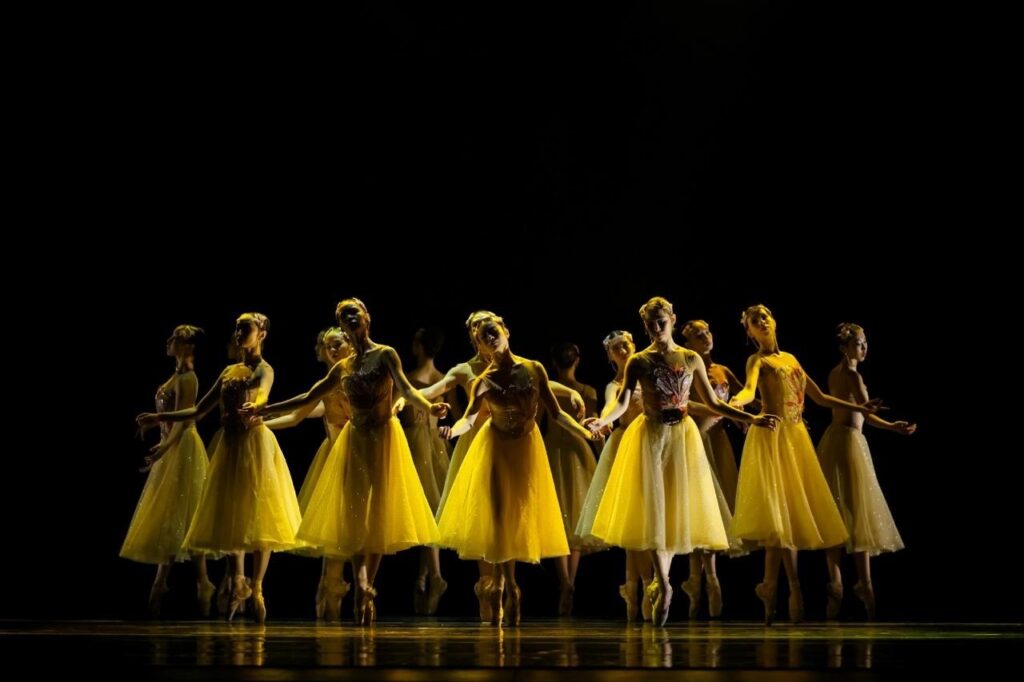
The Astana Ballet hosted the premiere of Altyn Gul - The Secret of the Golden Tulip, a production that has drawn attention in the art community. In the new performance, archaeology and national mythology meet contemporary choreography in a single stage narrative. The theater’s chief choreographer, Abubakhrieva Mukaram Saidakimovna, known professionally as Mukaram Avakhri, an Honored Worker of Kazakhstan, turned to one of the most recognizable symbols of the Kazakh steppe, the wild tulip, transforming it into a metaphor for memory, continuity, and the search for identity. From the first minutes, the audience was captivated by the beauty of the music, costumes, and dance. A spectacle unfolded on stage, with warriors in red and gold armor marching into battle, followed by beautiful beings of the steppe whose forms seemed to shift between nymphs and flowers. The starting point for the performance was a real archaeological artifact, a gold plaque from the 3rd-2nd centuries BCE depicting a tulip, found in the Tenlik burial mounds. This small object of ancient jewelry became more than a museum discovery. It offered a way to reflect on how natural symbols survive through the ages and remain preserved in a people’s cultural memory. At the center of the story is a master jeweler, a young man named Zerger, who is inspired by the beauty of the steppe flower. The image of the tulip he creates gradually becomes a symbol of beauty, harmony, and the creative power of nature. Yet Altyn Gul is less a historical reconstruction than a philosophical parable. The protagonist’s path unfolds as an inner journey filled with symbolic trials and discoveries, while the tulip accompanying him gradually reveals itself as a sign of renewal, continuity, and the bond between human beings and the world around them. For Avakhri, turning to nature and historical memory was a logical continuation of her artistic direction. In her previous productions, Jusan, Ot Qyz, and The Silk Road, the choreographer had already explored the relationship between cultural heritage and contemporary movement language. Avakhri has said the central image of the steppe tulip symbolizes the fragility and strength of life. She also said the combination of national traditions with classical ballet and contemporary dance was intended to make the performance accessible and meaningful to today’s audience. According to theater director Tair Karatayev, the new production has taken a special place in the Astana Ballet repertoire. Altyn Gul has become an example of how national artistic images can receive a contemporary stage interpretation while preserving their connection to history and cultural heritage. The music for the production was written by Renat Gaissin, Honored Worker of Kazakhstan and one of the country’s leading contemporary composers. The libretto was created by Bakhyt Kairbekov, also an Honored Worker of Kazakhstan, and the costumes were designed by Aigerim Altybasarova. The premiere performances were accompanied by the theater’s symphony orchestra under chief conductor Arman Urazgaliyev. Altyn Gul closed the Astana Ballet theater season with an attempt to reinterpret one of the oldest cultural images of...
