
• KGS/USD = 0.01144 0%
  • KZT/USD = 0.00217 0%
  • TJS/USD = 0.10663 0%
  • UZS/USD = 0.00008 0%
  • TMT/USD = 0.28530 0%
  • KGS/USD = 0.01144 0%
  • KZT/USD = 0.00217 0%
  • TJS/USD = 0.10663 0%
  • UZS/USD = 0.00008 0%
  • TMT/USD = 0.28530 0%
  • KGS/USD = 0.01144 0%
  • KZT/USD = 0.00217 0%
  • TJS/USD = 0.10663 0%
  • UZS/USD = 0.00008 0%
  • TMT/USD = 0.28530 0%
  • KGS/USD = 0.01144 0%
  • KZT/USD = 0.00217 0%
  • TJS/USD = 0.10663 0%
  • UZS/USD = 0.00008 0%
  • TMT/USD = 0.28530 0%
  • KGS/USD = 0.01144 0%
  • KZT/USD = 0.00217 0%
  • TJS/USD = 0.10663 0%
  • UZS/USD = 0.00008 0%
  • TMT/USD = 0.28530 0%
  • KGS/USD = 0.01144 0%
  • KZT/USD = 0.00217 0%
  • TJS/USD = 0.10663 0%
  • UZS/USD = 0.00008 0%
  • TMT/USD = 0.28530 0%
  • KGS/USD = 0.01144 0%
  • KZT/USD = 0.00217 0%
  • TJS/USD = 0.10663 0%
  • UZS/USD = 0.00008 0%
  • TMT/USD = 0.28530 0%
  • KGS/USD = 0.01144 0%
  • KZT/USD = 0.00217 0%
  • TJS/USD = 0.10663 0%
  • UZS/USD = 0.00008 0%
  • TMT/USD = 0.28530 0%

Viewing results 1 - 6 of 4

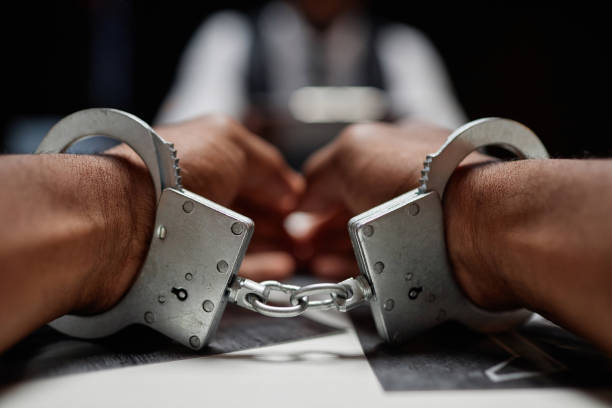
Uzbek Citizen Sentenced to Life in Russia Over Killing of Russian General Kirillov

A Russian military court has sentenced Uzbek citizen Ahmadjon Qurbonov to life imprisonment for his involvement in a bombing that killed Lieutenant General Igor Kirillov, head of Russia’s Radiation, Chemical and Biological Protection Troops, and his aide, Major Ilya Polikarpov. The verdict was issued by a panel of judges at the 2nd Western District Military Court, according to a report by Russian outlet RBK. Qurbonov, who admitted guilt and cooperated with investigators, was also fined one million rubles (approximately $13,100). Prosecutors accused him of carrying out an attack on December 17, 2024, near the entrance of Kirillov’s apartment building in Moscow. Investigators allege that Qurbonov planted a remote-controlled bomb on an electric scooter and detonated it as the general and his aide exited the building. Russia’s Investigative Committee claims Qurbonov acted under orders from Ukraine’s Security Service. The attack was reportedly filmed and streamed live to Ukraine. Qurbonov was allegedly promised $100,000, forged documents, and residency in a country in the European Union. He was arrested within hours of the explosion and, according to investigators, never received the promised compensation. Several other individuals were implicated in the case. Prosecutors said Vladimir Safaryan delivered the explosive device, which was reportedly brought into Russia from Poland. Batukhan Tochiev and Ramazan Padiev were accused of providing Qurbonov with an apartment where he attempted to hide after the attack. All three denied knowledge of the planned bombing. Russian authorities further alleged that the operation was financed using USDT stablecoins. Qurbonov reportedly received multiple cryptocurrency transfers, later converted into cash through cryptomats in Moscow. The total cost of preparing the attack was estimated at 842,000 rubles (approximately $10,936), while damage to surrounding apartments and vehicles was valued at 3.3 million rubles (around $42,863). The trial, which began in November 2025, was held behind closed doors. Prosecutors argued that open proceedings could be exploited by foreign-linked media to justify the attack.
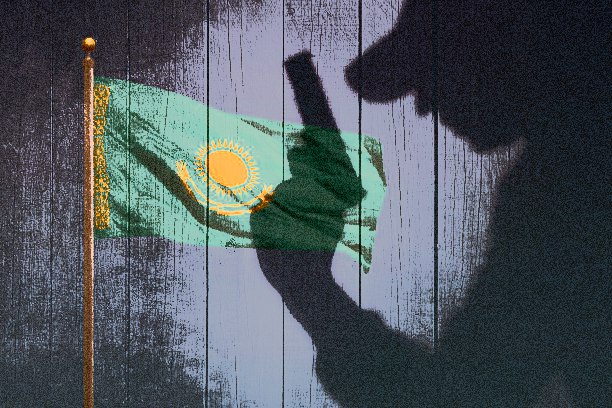

Shadows of Power: Assassination Attempt Exposes Kazakhstan’s Turbulent Past

The assassination attempt on the deputy akim (head of the local government) in Shymkent, Kazakhstan’s third-largest city with a population exceeding one million, has drawn intense public attention. Shymkent, designated a city of republican significance, rarely sees violence of this nature targeting high-ranking officials. Ruslan Berdenov, the official in question, was wounded by shotgun fire from a smoothbore weapon on the steps of the city administration building, which struck him in the thigh and the shoulder. The attack appears less like a calculated contract killing and more like an act of personal retribution. Despite its entrenched presence in Russian criminal culture, the phenomenon of contract killings has not firmly taken root in Kazakhstan or the broader Central Asian region. Nonetheless, several contract-style assassinations have left a deep imprint on the public consciousness. The following cases are among the most significant. Alexander Svichinsky On December 28, 1992, Alexander Svichinsky, the general director of the Karaganda Metallurgical Plant, was gunned down in Temirtau. This was the first confirmed contract killing in post-Soviet Kazakhstan. Svichinsky, who had risen through the ranks at Karmet Combine from mechanic to general director, had recently succeeded Oleg Soskovets, who later served in both the Kazakh and Russian governments. He was shot in the back of the head at the plant’s gatehouse. President Nursultan Nazarbayev took personal control of the investigation. Gabdrakhim Mendeshev, a veteran criminal investigator, eventually uncovered the truth: the hit was arranged by a demoted former deputy of Svichinsky. The intermediary, a driver at the plant, enlisted three Lithuanian nationals staying at a local hotel to carry out the murder. Following Svichinsky’s death, the plant’s fortunes declined. It was eventually sold to Indian industrialist Lakshmi Mittal’s Ispat Corporation. Iosif Milgram A year later, in December 1993, Almaty saw its first major contract killing. Iosif Milgram, the head of the Almatygorstroy construction firm, and his driver Dmitry Tarasov were murdered in the courtyard of Milgram’s home. The case went unsolved until 1998 when a traffic stop led to the arrest of Zakir Salakhutdinov. After killing a police officer during the stop, Salakhutdinov was detained and eventually confessed to the murder of Milgram. Investigators discovered that Milgram had accused his business partner, Valentin Li, of embezzlement. Li allegedly paid Salakhutdinov $20,000 to carry out the killing. In 1999, Salakhutdinov was sentenced to death and Li received a 15-year sentence, although he was released early due to illness. Nurlan Turysov In 2002, businessman Nurlan Turysov and his wife Bayan Atabaeva were murdered in their Almaty apartment. Turysov was the son of Karatay Turysov, a prominent political figure in Soviet Kazakhstan who had served as vice-premier of the republic’s Council of Ministers. Investigators believe Turysov was acquainted with the killers, as he let them in himself. He was shot twice in the temple and once in the back of the head. Hearing the shots, his wife attempted to flee and was attacked at the window, stabbed, and then shot in the head. The apartment was ransacked, suggesting the killers...