
• KGS/USD = 0.01144 0%
  • KZT/USD = 0.00200 0%
  • TJS/USD = 0.10468 -0.1%
  • UZS/USD = 0.00008 0%
  • TMT/USD = 0.28571 0%
  • KGS/USD = 0.01144 0%
  • KZT/USD = 0.00200 0%
  • TJS/USD = 0.10468 -0.1%
  • UZS/USD = 0.00008 0%
  • TMT/USD = 0.28571 0%
  • KGS/USD = 0.01144 0%
  • KZT/USD = 0.00200 0%
  • TJS/USD = 0.10468 -0.1%
  • UZS/USD = 0.00008 0%
  • TMT/USD = 0.28571 0%
  • KGS/USD = 0.01144 0%
  • KZT/USD = 0.00200 0%
  • TJS/USD = 0.10468 -0.1%
  • UZS/USD = 0.00008 0%
  • TMT/USD = 0.28571 0%
  • KGS/USD = 0.01144 0%
  • KZT/USD = 0.00200 0%
  • TJS/USD = 0.10468 -0.1%
  • UZS/USD = 0.00008 0%
  • TMT/USD = 0.28571 0%
  • KGS/USD = 0.01144 0%
  • KZT/USD = 0.00200 0%
  • TJS/USD = 0.10468 -0.1%
  • UZS/USD = 0.00008 0%
  • TMT/USD = 0.28571 0%
  • KGS/USD = 0.01144 0%
  • KZT/USD = 0.00200 0%
  • TJS/USD = 0.10468 -0.1%
  • UZS/USD = 0.00008 0%
  • TMT/USD = 0.28571 0%
  • KGS/USD = 0.01144 0%
  • KZT/USD = 0.00200 0%
  • TJS/USD = 0.10468 -0.1%
  • UZS/USD = 0.00008 0%
  • TMT/USD = 0.28571 0%

Viewing results 1 - 6 of 5

Number of Tajik Citizens on Russia’s “Controlled Persons” List Surpasses 150,000

The number of Tajik nationals included in Russia’s registry of “controlled persons” has risen sharply, according to new figures released by the Representative Office of Tajikistan’s Ministry of Labor, Migration and Employment in Russia. Citing the latest update, Asia-Plus reports that more than 150,000 Tajik citizens were listed as of November, an increase of approximately 30,000 since the last official count. The previous figures, published in October 2024, placed the number at over 120,000. Since then, the Tajik authorities have repeatedly urged migrants in Russia to legalize their status and take steps to be removed from the so-called “blacklist.” However, no updated statistics had been released until now. Russia’s controlled persons registry, which came into force on February 5, 2025, encompasses individuals accused of various administrative violations. These range from minor offenses such as unpaid utility bills and traffic infractions to failure to appear at state agencies despite repeated summonses. Russian authorities gave migrants until September 10 to regularize their documents and avoid inclusion in the system. In September, Russia’s Interior Ministry announced that around 770,000 people were registered nationwide, one-third of them women and children. Foreign nationals on the list face wide-ranging restrictions, including bans on changing their place of residence without permission, leaving their region, operating vehicles, purchasing property, or conducting specific financial transactions. Since the registry’s introduction, numerous migrants have reported being added to the list in error. Many only discovered their status after receiving bank notifications about frozen accounts or blocked transactions. Tajikistan’s migration office in Russia continues to advise citizens to verify their status through the Russian Interior Ministry’s online platform. Migrants whose names appear on the list are encouraged to contact local migration offices for assistance. Those unable to resolve their situation are urged to leave Russia within the legally mandated timeframe. Earlier this year, The Times of Central Asia reported that the Tajik authorities had called on labor migrants in Russia to renew their documents before the deadline when Russia's updated migration regulations came into effect. The Tajik Interior Ministry has reminded citizens that maintaining legal residency is essential for continued employment in the country.

Kazakh Lawmaker Proposes Stricter Controls on Cryptocurrency Market

Olzhas Kuspekov, a member of Kazakhstan’s Mazhilis (the lower house of parliament), has proposed tightening government regulation of cryptocurrency circulation and blocking access to unlicensed crypto exchange websites and mobile applications. Currently, cryptocurrency transactions in Kazakhstan are only permitted through licensed platforms operating under the Astana International Financial Center (AIFC). However, Kuspekov stated that in practice, these exchanges accounted for less than 14% of the country's total crypto transactions in 2023. Citing data from U.S.-based blockchain analytics firm Chainalysis, he said the illegal segment of Kazakhstan’s crypto market reached $3.5 billion last year out of a total market volume of $4.1 billion. In a parliamentary inquiry addressed to the chairman of the National Bank of Kazakhstan, Kuspekov expressed concern that unlicensed exchanges continue to operate openly. “Their applications remain available on the AppStore and PlayMarket, and they are widely advertised on social media,” he said. He called on the National Bank to initiate blocking of these digital platforms. Kuspekov also urged the government to audit money transfers and enhance internal controls among commercial banks to ensure compliance with cryptocurrency legislation. “Some banks are servicing crypto transactions that fall outside the legal framework. According to the Financial Monitoring Agency, more than KZT 4.2 billion ($8.2 million) in transactions were processed through accounts at ten financial institutions. In most cases, internal compliance mechanisms were not applied,” he stated. The lawmaker further warned of a growing trend among young Kazakhs becoming involved in the gray market, influenced by bloggers and self-styled financial “coaches.” As a countermeasure, he proposed the establishment of a state digital reserve, under the National Bank, for storing seized crypto assets. As previously reported by The Times of Central Asia, other deputies from the Ak Zhol faction have also called for the creation of a national cryptocurrency bank to further formalize and regulate the digital asset economy in Kazakhstan.

Kazakhstan Targets Anonymous Telegram Channels Over Disinformation Concerns

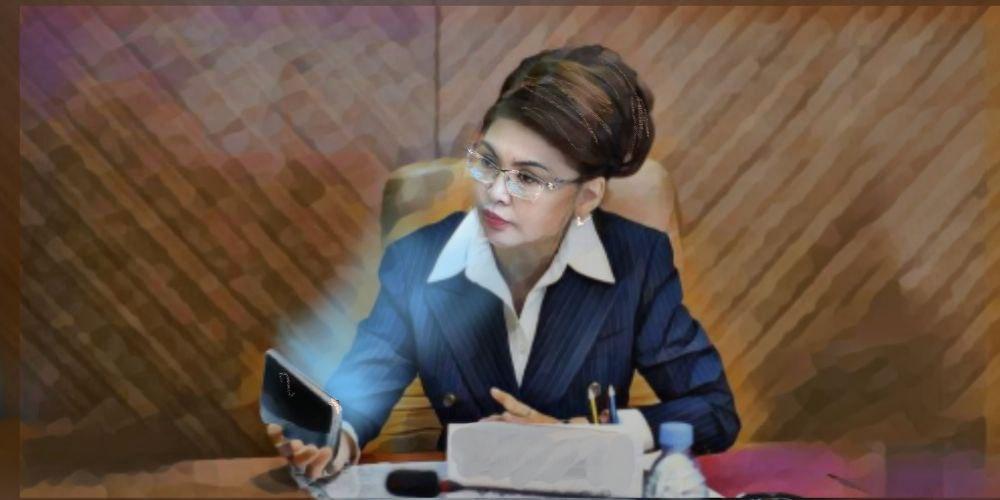
Kazakhstan’s Ministry of Culture and Information has launched a vocal campaign against anonymous Telegram channels, accusing them of fueling misinformation and destabilizing public discourse. Minister Aida Balayeva has called for stricter controls and accountability from both platform administrators and users. Breeding Grounds for Misinformation Minister Aida Balayeva described anonymous Telegram channels as “breeding grounds for lies,” arguing that their content undermines public stability and trust. Balayeva accused their operators of systematically disseminating fake news and orchestrating provocations designed to manipulate public opinion. The ministry, she said, is pursuing legal mechanisms to identify and block such platforms. “Our clear position is the issue of strengthening responsibility for the deliberate spread of fakes. I believe that anonymity should not be a shield for provocateurs,” Balayeva stated, emphasizing that rules should apply equally online and offline. Balayeva cited the recent case of the Telegram channel Qirsabyn, whose administrators were detained in Astana and Karaganda. According to Kazakhstan’s Prosecutor General’s Office, the individuals allegedly extorted money by threatening to publish false and compromising information. “I think it is time to sit down at the negotiating table with the Telegram administration,” Balayeva added. Battling War Propaganda Balayeva also addressed efforts by her ministry to counter war-related propaganda, particularly content originating from Russian platforms. According to her, some social networks promote mercenary enlistment for the war in Ukraine, targeting citizens across the Commonwealth of Independent States, including Kazakhstan. The ministry reportedly monitors these platforms and alerts site administrators when illegal or harmful content is identified. “The volume of throw-ins and unlawful materials is huge. In any case, it affects the mood of society, and causes resonances,” Balayeva noted. No Blanket Ban on Platforms While advocating for accountability, Balayeva clarified that Kazakhstan does not aim to impose a blanket ban on social networks. She emphasized that maintaining information integrity is a shared responsibility between government bodies, platform operators, and users. “They often talk about blocking different social networks. I want to say: all this depends not only on the administrators of social networks and the actions of government agencies. First of all, it concerns the users of social networks, who must understand their responsibility in that they are directly responsible for stability in society and for the non-proliferation of false information.” Social Media Restrictions for Minors The conversation on regulating online content has also reached Kazakhstan’s Parliament, where Mazhilis deputy, Zharkynbek Amantayuly recently submitted a request to the Prime Minister proposing restrictions on social media use by minors. Amantayuly referenced models in countries such as China, South Korea, France, the United States, and Australia, where age-based limitations are legally enforced, arguing that Kazakhstan should adopt similar laws to regulate minors’ access to social networks and online games. Telegram Under Global Scrutiny Telegram has come under fire in several countries over its resistance to content moderation. In August 2024, the platform’s founder Pavel Durov was briefly detained at Paris-Le Bourget Airport on suspicions ranging from terrorism to drug trafficking and child exploitation. Durov was released, but French authorities...
