• KGS/USD = 0.01143 0%
  • KZT/USD = 0.00213 0%
  • TJS/USD = 0.10593 0.47%
  • UZS/USD = 0.00008 0%
  • TMT/USD = 0.28571 0%
  • KGS/USD = 0.01143 0%
  • KZT/USD = 0.00213 0%
  • TJS/USD = 0.10593 0.47%
  • UZS/USD = 0.00008 0%
  • TMT/USD = 0.28571 0%
  • KGS/USD = 0.01143 0%
  • KZT/USD = 0.00213 0%
  • TJS/USD = 0.10593 0.47%
  • UZS/USD = 0.00008 0%
  • TMT/USD = 0.28571 0%
  • KGS/USD = 0.01143 0%
  • KZT/USD = 0.00213 0%
  • TJS/USD = 0.10593 0.47%
  • UZS/USD = 0.00008 0%
  • TMT/USD = 0.28571 0%
  • KGS/USD = 0.01143 0%
  • KZT/USD = 0.00213 0%
  • TJS/USD = 0.10593 0.47%
  • UZS/USD = 0.00008 0%
  • TMT/USD = 0.28571 0%
  • KGS/USD = 0.01143 0%
  • KZT/USD = 0.00213 0%
  • TJS/USD = 0.10593 0.47%
  • UZS/USD = 0.00008 0%
  • TMT/USD = 0.28571 0%
  • KGS/USD = 0.01143 0%
  • KZT/USD = 0.00213 0%
  • TJS/USD = 0.10593 0.47%
  • UZS/USD = 0.00008 0%
  • TMT/USD = 0.28571 0%
  • KGS/USD = 0.01143 0%
  • KZT/USD = 0.00213 0%
  • TJS/USD = 0.10593 0.47%
  • UZS/USD = 0.00008 0%
  • TMT/USD = 0.28571 0%

Viewing results 1 - 6 of 6

Kazakhstan Moves to Launch National Credit Ratings Agency to Cut Reliance on Foreign Firms

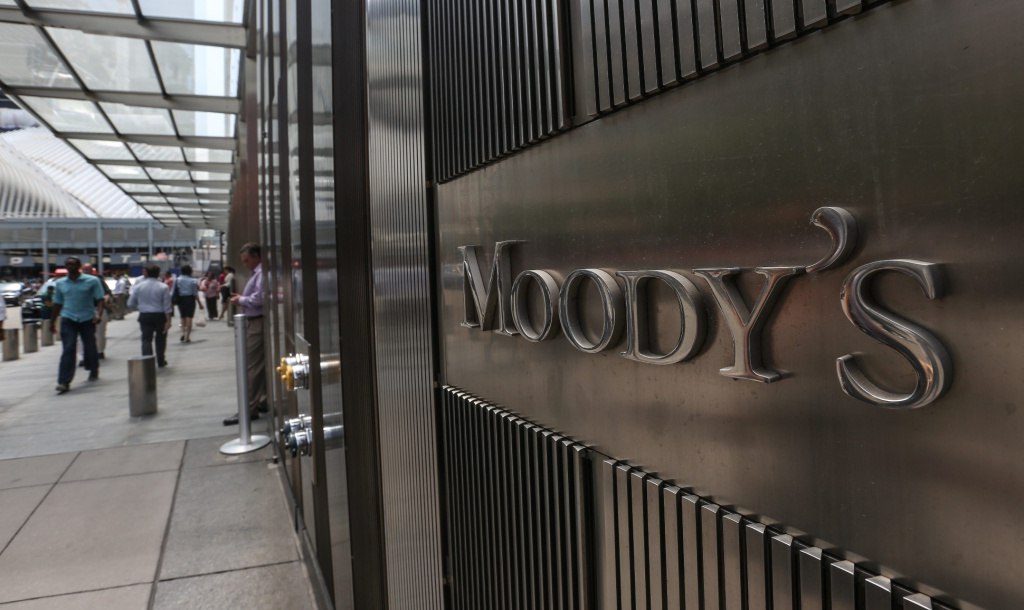
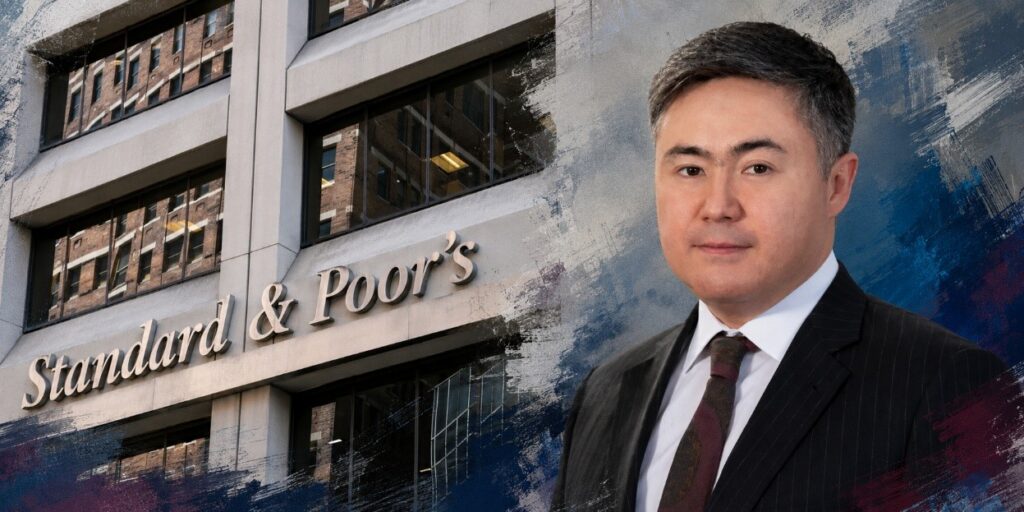
Kazakhstan plans to establish its own credit ratings agency, a move that would give authorities greater control over how companies are assessed by investors and reduce reliance on foreign firms that dominate global markets. Madina Abylkassymova, chair of the Agency for Regulation and Development of the Financial Market (ARDFM), said the proposed agency would be set up with participation from the National Bank of Kazakhstan, an international ratings firm, and local financial institutions. At present, Kazakhstan does not have a fully domestic ratings system. Creditworthiness is assessed primarily by the “big three” global agencies — Standard & Poor’s, Moody’s, and Fitch — as well as by Expert RA and ACRA, which are accredited for prudential regulation. The ARDFM has drafted legislation to create a national ratings framework and regulate agencies operating in the market. The Mazhilis, the lower house of parliament, approved the bill in its first reading on April 15. “It is planned to establish a Kazakh rating agency as an independent institution for national credit assessment,” Abylkassymova said. “Its shareholders will include the National Bank, an international rating agency, and financial institutions.” Officials say the National Bank’s involvement will help underpin financial stability and build confidence among market participants. At the same time, the draft law introduces safeguards intended to preserve independence. Analysts’ remuneration will not be tied to clients’ financial performance, and restrictions will be placed on affiliations, including a ban on holding financial instruments issued by rated entities. The legislation also limits any single shareholder’s stake in the agency to 10% and requires at least half of the board of directors to be independent. The agency’s authorized capital is expected to reach about $21 million. Authorities say the new system should make it easier for companies — particularly small and medium-sized enterprises — to access capital markets. Abylkassymova said the reform would help reduce borrowing costs, improve transparency, and expand investment opportunities for institutional investors such as banks, pension funds, and insurers. Alongside the new agency, both domestic and foreign rating firms will be allowed to operate in Kazakhstan, subject to regulatory oversight. The ARDFM will have the authority to recognize agencies, monitor their activities, conduct inspections, and revoke their status if necessary. To enter the market, international and foreign agencies will need to meet qualification standards, including at least five years of operational experience, sufficient capital, a verified methodology, and institutional independence. All agencies will also be required to publish their methodologies, pricing policies, and any potential conflicts of interest. The Times of Central Asia previously reported that S&P Global Ratings confirmed Kazakhstan’s long-term sovereign rating in March while forecasting a slowdown in GDP growth in 2026.

Moody’s Upgrades Tajikistan’s Credit Rating to B2, Citing Economic Improvements

International rating agency Moody’s has upgraded Tajikistan's long-term sovereign credit rating to B2 with a stable outlook, according to the National Bank of Tajikistan. According to the financial regulator, Tajikistan has been cooperating with Moody’s since 2014, and the latest decision marks the first time the country’s sovereign rating has been raised to the B2 level. The National Bank said the upgrade reflects the government’s ongoing economic reforms and policy measures aimed at strengthening the country’s financial system and macroeconomic stability. Moody’s cited several factors behind the upgrade from B3 to B2, including sustained economic growth in recent years, improvements in fiscal management, and continued positive macroeconomic trends. The agency also highlighted progress in structural reforms, reduced risks related to public debt, and improvements in public financial management. The stable outlook indicates Moody’s expectation that Tajikistan will maintain prudent fiscal and monetary policies in the coming years. A B2 sovereign rating signals moderate creditworthiness. This means that while the country is capable of meeting its financial obligations, certain economic and external risks remain. Compared with the previous B3 rating, the upgrade reflects a stronger financial position and increased confidence from international financial markets. The stable outlook also suggests that no major macroeconomic shocks are expected in the medium term and that economic risks are considered manageable. Assessments by international rating agencies play an important role for countries seeking access to global financial markets. First, sovereign credit ratings help investors and lenders evaluate a government’s ability to meet its financial obligations, which directly affects borrowing costs and loan conditions. Second, a higher rating increases a country’s attractiveness to international investors. Global financial institutions often rely on such ratings when assessing investment risks, meaning improvements can help attract foreign capital. Credit ratings are also viewed as indicators of economic stability and fiscal discipline, strengthening confidence in government policies among international partners and domestic market participants. In addition, sovereign ratings influence external debt management and help governments raise financing for infrastructure and social development projects. The Moody’s upgrade is not the only positive signal for Tajikistan’s economy. Just a month earlier, another major international rating agency, Standard & Poor’s, improved the outlook on Tajikistan’s long-term sovereign credit rating from stable to positive while maintaining the rating at B. Taken together, the assessments from two leading global rating agencies highlight improvements in Tajikistan’s macroeconomic conditions and point to stronger prospects for financial stability in the coming years.