
• KZT/USD = 0.00218
  • TJS/USD = 0.10820
  • UZS/USD = 0.00009
  • TMT/USD = 0.29760
  • KZT/USD = 0.00218
  • TJS/USD = 0.10820
  • UZS/USD = 0.00009
  • TMT/USD = 0.29760
  • KZT/USD = 0.00218
  • TJS/USD = 0.10820
  • UZS/USD = 0.00009
  • TMT/USD = 0.29760
  • KZT/USD = 0.00218
  • TJS/USD = 0.10820
  • UZS/USD = 0.00009
  • TMT/USD = 0.29760
  • KZT/USD = 0.00218
  • TJS/USD = 0.10820
  • UZS/USD = 0.00009
  • TMT/USD = 0.29760
  • KZT/USD = 0.00218
  • TJS/USD = 0.10820
  • UZS/USD = 0.00009
  • TMT/USD = 0.29760
  • KZT/USD = 0.00218
  • TJS/USD = 0.10820
  • UZS/USD = 0.00009
  • TMT/USD = 0.29760
  • KZT/USD = 0.00218
  • TJS/USD = 0.10820
  • UZS/USD = 0.00009
  • TMT/USD = 0.29760
24 August 2026

Viewing results 1 - 6 of 2

Uzbekistan Busts Scam Call Centers Targeting Europe and North America

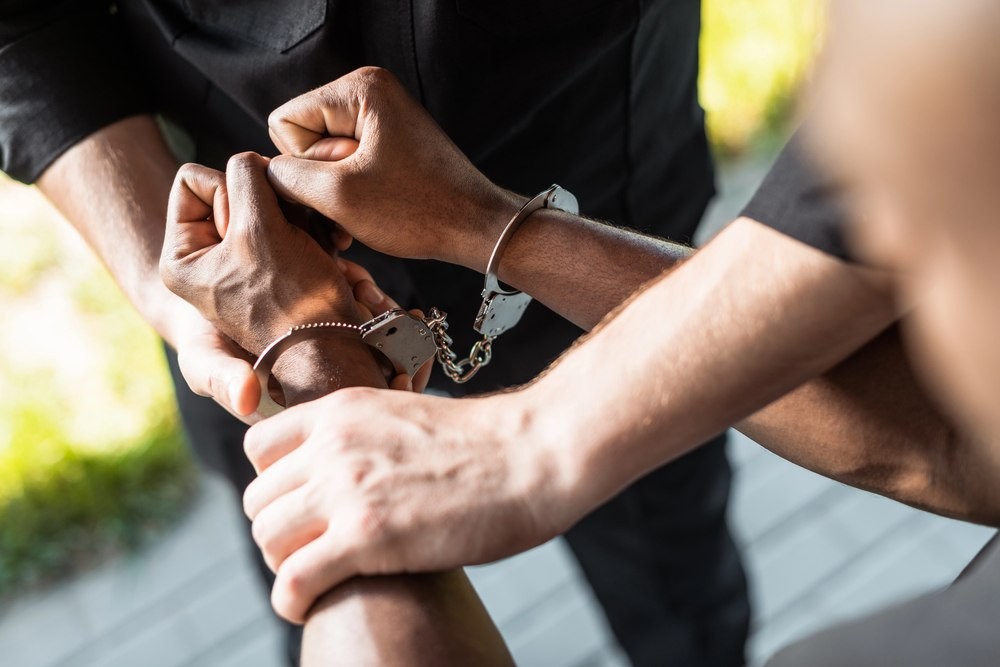
Uzbek law enforcement authorities have dismantled two illegal call centers in Tashkent that were part of a transnational fraud network targeting victims across Europe and North America, according to the country’s Ministry of Internal Affairs. The operation, carried out jointly by the Interior Ministry’s Cybercrime Department and the State Security Service, targeted offices located in the Yashnabad and Yakkasaray districts of the Uzbek capital. Authorities found 97 people, including five foreign nationals, at the first location, while 34 more, including three foreigners, were apprehended at the second site. According to investigators, the call centers conducted fraudulent phone calls and mass messaging campaigns using spoofed telephone numbers. Operators posed as financial advisers and investment brokers, persuading victims to purchase cryptocurrencies and invest in purported high-yield investment schemes. The group also created multiple phishing websites designed to imitate legitimate investment platforms, promising returns of up to 70% per month. The Interior Ministry said the organizers recruited university students in Tashkent with foreign-language skills to communicate with overseas victims. Employees operated under aliases and underwent specialized training that emphasized strict operational security. Access to the offices was tightly controlled. Criminal proceedings have been opened by the Cybercrime Department’s investigative division. Authorities said investigative and operational measures are continuing with respect to the remaining 111 individuals found at the two facilities. The Interior Ministry added that its International Cooperation Department and Uzbekistan’s National Central Bureau of Interpol are preparing requests for assistance to law enforcement agencies in Europe and North America. Officials described the operation as the result of “hundreds of hours of surveillance, digital forensic analysis, and international cooperation.” The case follows a series of major anti-fraud operations in Uzbekistan. Earlier this year, the State Security Service dismantled three call centers that targeted Russian citizens by promising compensation for allegedly defective dietary supplements and then demanding advance “tax” payments before victims could receive the fictitious reimbursements. In another operation in June, the Uzbek authorities uncovered multiple fraud schemes across six regions involving false promises of employment in South Korea. In one case, the head of a private company allegedly demanded approximately $384,000 from a group of 48 people in exchange for arranging overseas jobs.

Uzbekistan Uncovers Criminal Network Trafficking Human Organs

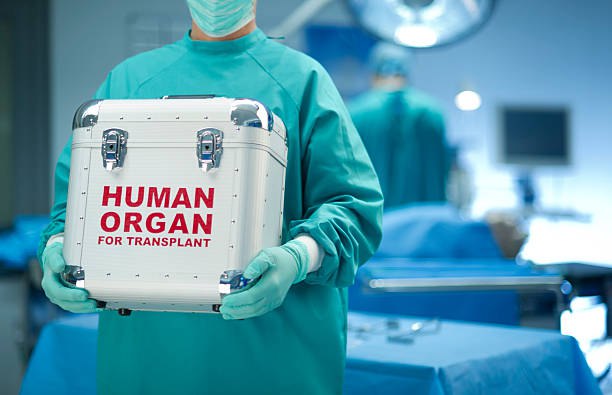
Uzbekistan’s State Security Service and Ministry of Internal Affairs have uncovered a transnational criminal network involved in the illegal trafficking of human organs. Authorities report that the group included 12 individuals from Tashkent and the Tashkent, Fergana, Bukhara, and Kashkadarya regions. The suspects allegedly used social media platforms to identify patients with kidney and liver conditions, while simultaneously recruiting healthy individuals willing to sell their organs in exchange for large sums of money. With the help of accomplices abroad, the group reportedly forged identity documents to present donors as close relatives of patients, thereby enabling organ transplants to be carried out at a private clinic in a neighboring country. Investigators said that between 2023 and 2025, at least 32 patients underwent kidney or liver transplants arranged by the network. Large payments were collected from recipients, with portions paid to the clinic and donors, while the remainder was divided among the organizers. In cases where patients experienced complications or failed to improve post-surgery, the group allegedly sold them strong painkillers at inflated prices. Criminal charges have been filed under provisions of the Criminal Code related to illegal organ trafficking, document forgery, smuggling, and drug-related offenses. The case has now been referred to the court system for further proceedings. Illegal organ trade has emerged as a broader regional issue. In April 2024, Kyrgyzstan’s State Committee for National Security (SCNS) announced the arrest of individuals connected to an international network facilitating black-market organ sales. According to the SCNS, the group identified wealthy foreign patients willing to pay high prices for transplants and recruited Kyrgyz citizens as donors using fraudulent methods. Donors received between $1,000 and $7,000 for a kidney, while the organizers reportedly earned up to $70,000 per operation.