
• KGS/USD = 0.01144 0%
  • KZT/USD = 0.00207 0%
  • TJS/USD = 0.10417 -0.76%
  • UZS/USD = 0.00008 0%
  • TMT/USD = 0.28571 0%
  • KGS/USD = 0.01144 0%
  • KZT/USD = 0.00207 0%
  • TJS/USD = 0.10417 -0.76%
  • UZS/USD = 0.00008 0%
  • TMT/USD = 0.28571 0%
  • KGS/USD = 0.01144 0%
  • KZT/USD = 0.00207 0%
  • TJS/USD = 0.10417 -0.76%
  • UZS/USD = 0.00008 0%
  • TMT/USD = 0.28571 0%
  • KGS/USD = 0.01144 0%
  • KZT/USD = 0.00207 0%
  • TJS/USD = 0.10417 -0.76%
  • UZS/USD = 0.00008 0%
  • TMT/USD = 0.28571 0%
  • KGS/USD = 0.01144 0%
  • KZT/USD = 0.00207 0%
  • TJS/USD = 0.10417 -0.76%
  • UZS/USD = 0.00008 0%
  • TMT/USD = 0.28571 0%
  • KGS/USD = 0.01144 0%
  • KZT/USD = 0.00207 0%
  • TJS/USD = 0.10417 -0.76%
  • UZS/USD = 0.00008 0%
  • TMT/USD = 0.28571 0%
  • KGS/USD = 0.01144 0%
  • KZT/USD = 0.00207 0%
  • TJS/USD = 0.10417 -0.76%
  • UZS/USD = 0.00008 0%
  • TMT/USD = 0.28571 0%
  • KGS/USD = 0.01144 0%
  • KZT/USD = 0.00207 0%
  • TJS/USD = 0.10417 -0.76%
  • UZS/USD = 0.00008 0%
  • TMT/USD = 0.28571 0%

Viewing results 1 - 6 of 21

Kyrgyz Transport Minister Wears Camouflage Following Rebuke by State Security Chief

Kyrgyzstan’s Minister of Transport and Communications, Absattyr Syrgabaev, was seen wearing camouflage during a recent site inspection, days after facing public criticism from Kamchybek Tashiev, head of the State Committee for National Security (GKNB) and deputy chairman of the Cabinet. The incident took place during a working visit to the Jalal-Abad region. Tashiev’s reprimand was sparked by the poor condition of a local maternity hospital. He criticized hospital staff for neglecting basic maintenance, including watering trees and keeping the grounds tidy. “Is it really impossible to water them? Why do I have to come here and talk about this?” Tashiev said during the visit. Turning his attention to Syrgabaev, Tashiev accused the minister of ignoring broader infrastructure responsibilities beyond road construction. He urged Syrgabaev to change his appearance to reflect a more hands-on approach. “Until November, don’t wear a suit. Wear camouflage like me and work until nightfall. In winter, you can go back to suits. Otherwise, you’ll keep showing up in Naryn and Ton in business attire. You have to work! Do you hear me?” Tashiev said at a government meeting in Jalal-Abad. Demands for Constant Work Tashiev also directed harsh criticism at regional governors (akims) and other civil servants, insisting they work “around the clock without days off.” He emphasized that every official must act as a “strong manager.” “Stop working one day and resting two!” he demanded. Shortly after these remarks, Syrgabaev appeared in camouflage during a road reconstruction inspection in the Suusamyr Valley, aligning with Tashiev’s directive. The appearance drew attention from local media outlets. Context of Political Pressure This is not the first time Syrgabaev has come under scrutiny. In May 2025, Tashiev gave him a one-month deadline to complete the Balykchy to Cholpon-Ata highway. While the road was completed on time, unfinished sidewalks led to a “final warning” for the minister. A year earlier, he had been criticized for delays in constructing a bridge over the Ala-Archa River in Bishkek. The backdrop of heightened scrutiny comes amid ongoing corruption investigations. In recent months, authorities have arrested the mayors of Tokmok and Kara-Balta, the deputy mayor of Bishkek, and several contractors. In this climate, Tashiev’s public remarks are increasingly viewed as informal mandates, reflecting his growing influence within Kyrgyzstan’s state apparatus.

Kyrgyz Security Forces Warn Officials of Prosecution Over Inefficiency

The State Committee for National Security (GKNB) of Kyrgyzstan has issued a stern warning to municipal officials in Bishkek, threatening criminal prosecution for negligence and ineffective performance of official duties. The warning came during a meeting initiated by the GKNB and held at Bishkek City Hall. All heads of the capital’s territorial divisions were present. Officials were instructed to take a more responsible approach to their work, particularly regarding urban development, social services, and the responsible use of public funds. “All heads of local authorities are advised to draw their own conclusions so that their future activities will only benefit society and not cause harm,” stated Kamchybek Tashiev, head of the GKNB. Tashiev also criticized the procurement of cheap, low-quality goods through public tenders, emphasizing that quality and efficiency, not just cost, should guide spending decisions. The crackdown follows the high-profile arrest of Tokmok Mayor Maksat Nusuvaliyev, a move seen by analysts as a stark signal from the central government to regional administrations. Nusuvaliyev was detained during a similar meeting with Tashiev in Tokmok, in full view of his subordinates. He faces charges of corruption and misappropriation of funds intended for the construction of a sports school and a cultural park. His arrest followed complaints from local residents and concerns from central authorities over delays and inefficiencies in the projects. The government had previously allocated approximately $12 million for Tokmok’s urban improvement. However, President Sadyr Japarov later stated that the funds had yielded no tangible results. Along with Nusuvaliyev, two other officials and the head of the construction company overseeing the projects were also detained. A court has ordered that all four be held in pretrial detention for two months. Footage of the mayor’s detention was widely circulated online, further fueling public attention. In response to the scandal, Tashiev demanded immediate accountability from other local officials. They were given three days to either recommit to fulfilling their duties or resign voluntarily. In a striking directive aimed at reconnecting officials with local issues, Tashiev also ordered administrators in the Chui region to travel on foot through their districts to observe municipal problems firsthand.

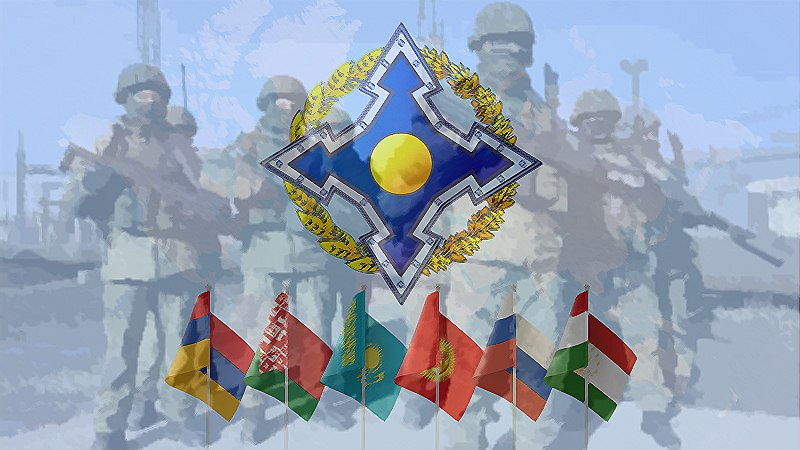
Controversies and Rejections: What Future Awaits the CSTO?

Armenia has officially refused to contribute financially to the Collective Security Treaty Organization (CSTO), a bloc tasked with ensuring the independence, territorial integrity, and sovereignty of its member states. Meanwhile, the organization’s Secretary General, Imangali Tasmagambetov, has come under scrutiny for remarks he made related to the ongoing conflict between Russia and Ukraine. Shifting Alliances and Regional Tensions Founded in 1992, the CSTO comprises Russia, Kazakhstan, Kyrgyzstan, Belarus, Tajikistan, and Armenia. Georgia, Azerbaijan, and Uzbekistan have withdrawn from the organization at various times. While the CSTO regularly conducts joint military exercises and cooperates on counter-terrorism and anti-narcotics efforts, the war in Ukraine has exposed internal divisions and challenged the bloc’s cohesion. Tasmagambetov Responds to Criticism In March, Secretary General Tasmagambetov raised eyebrows in an interview with a Russian outlet, warning that any deployment of EU troops to Ukraine could escalate regional tensions. He stated that the CSTO would be ready to provide assistance “within the framework of the organization’s charter and subject to approval by all member states.” The remarks sparked a backlash, particularly on social media in Kazakhstan, where some users accused Tasmagambetov, the former prime minister, of adopting a pro-Russian stance. Responding in late March, Tasmagambetov recorded a rare video message clarifying his position. “How can one calmly react to baseless claims that I would send my compatriots to war?” he asked. “There will always be those who distort my words. I have always remained loyal to my people; the interests of our country have always come first.” Tasmagambetov went on to urge viewers to think critically about information shared online. This controversy follows an earlier statement by Aibek Smadiarov, spokesperson for Kazakhstan’s Ministry of Foreign Affairs, who said in October 2022 that the CSTO had no plans to involve itself in the Ukraine conflict. “The CSTO's jurisdiction is limited to the internationally recognized territories of its member states,” Smadiarov stated. Kazakhstan, meanwhile, is reviewing a report by a Ukrainian institution that said about 661 Kazakh citizens have fought for Russia since it launched a full-scale invasion of Ukraine in February 2022. The I Want To Live center, which is run by the Ukrainian security services and assists with surrender requests from soldiers fighting for Russia, published a list of what it said were the Kazakh nationals. Of the 661, at least 78 have been killed, according to the center. Without providing details, it said it received the list from its own sources within the Russian military. Kazakh media quoted Igor Lepekha, Kazakhstan’s deputy interior minister of internal affairs, as saying the numbers have to be checked because it is unclear whether they are reliable. Kazakhstan bans mercenary activities in foreign conflicts and has opened a number of related investigations in the last few years. Last year, a court in Kazakhstan sentenced a Kazakh national to more than six years in jail for fighting with Russia’s Wagner Group in Ukraine. Armenia Pulls Back Adding to the bloc’s instability, Armenia recently announced that it would no longer finance the...
