• KGS/USD = 0.01144 0%
  • KZT/USD = 0.00198 -0%
  • TJS/USD = 0.10903 0.18%
  • UZS/USD = 0.00008 0%
  • TMT/USD = 0.28571 0%
  • KGS/USD = 0.01144 0%
  • KZT/USD = 0.00198 -0%
  • TJS/USD = 0.10903 0.18%
  • UZS/USD = 0.00008 0%
  • TMT/USD = 0.28571 0%
  • KGS/USD = 0.01144 0%
  • KZT/USD = 0.00198 -0%
  • TJS/USD = 0.10903 0.18%
  • UZS/USD = 0.00008 0%
  • TMT/USD = 0.28571 0%
  • KGS/USD = 0.01144 0%
  • KZT/USD = 0.00198 -0%
  • TJS/USD = 0.10903 0.18%
  • UZS/USD = 0.00008 0%
  • TMT/USD = 0.28571 0%
  • KGS/USD = 0.01144 0%
  • KZT/USD = 0.00198 -0%
  • TJS/USD = 0.10903 0.18%
  • UZS/USD = 0.00008 0%
  • TMT/USD = 0.28571 0%
  • KGS/USD = 0.01144 0%
  • KZT/USD = 0.00198 -0%
  • TJS/USD = 0.10903 0.18%
  • UZS/USD = 0.00008 0%
  • TMT/USD = 0.28571 0%
  • KGS/USD = 0.01144 0%
  • KZT/USD = 0.00198 -0%
  • TJS/USD = 0.10903 0.18%
  • UZS/USD = 0.00008 0%
  • TMT/USD = 0.28571 0%
  • KGS/USD = 0.01144 0%
  • KZT/USD = 0.00198 -0%
  • TJS/USD = 0.10903 0.18%
  • UZS/USD = 0.00008 0%
  • TMT/USD = 0.28571 0%
05 December 2025

Viewing results 1 - 6 of 5

Turkmenistan Legalizes Crypto Mining and Exchanges for the First Time

Turkmenistan has officially legalized cryptocurrency mining and the operation of crypto exchanges. A newly adopted law sets strict conditions for market participants while introducing safeguards to protect citizens from the risks associated with virtual assets. Key Provisions of the New Law Coming into force on January 1, 2026, the Law on Virtual Assets, signed by President Serdar Berdymuhamedov and published in the state newspaper Neutral Turkmenistan, legalizes cryptocurrency mining, exchanges, and trading platforms for the first time in Turkmenistan. The law defines the legal framework for the creation, storage, issuance, and circulation of virtual assets. While cryptocurrencies will not be recognized as a means of payment, currency, or security, they are treated as objects of civil law. Virtual assets may be either secured or unsecured. Crucially, the legislation makes clear that the state bears no responsibility for obligations incurred by crypto platforms or for losses in asset value. Mining Regulated by the Central Bank The right to mine cryptocurrencies will be granted to individual entrepreneurs and legal entities, all of whom must register electronically with the Central Bank of Turkmenistan. Hidden mining, the unauthorized use of another party’s computing power, is explicitly banned, targeting illicit mining networks. Crypto exchanges and related service providers must obtain licenses from the Central Bank. Permitted services include the exchange, transfer, storage, and management of virtual assets, as well as initial offerings. Opening a crypto wallet will require full customer identification in line with anti-money laundering protocols. Both Turkmenistan residents and foreign nationals may establish crypto exchanges, but with strict limitations: Individuals and legal entities from offshore jurisdictions are barred from participation; and Founders holding offshore bank accounts are also disqualified. Tight Restrictions on Crypto Advertising The law introduces some of the region’s strictest rules on crypto-related advertising. All promotional materials must include a warning that virtual assets are not backed by the state and that investments carry the risk of financial loss. The following are prohibited in advertising: Promises of profitability; Use of images of minors; Implications of luxury, bonuses, or effortless wealth; References to state affiliation, including the use of “Turkmenistan,” “national,” or “Turkmen”;  and Use of terms like “virtual asset,” “cryptocurrency,” or “digital asset” by companies not directly involved in the sector. These restrictions aim to protect the public from deceptive and aggressive promotion of high-risk financial products. Part of a Regional Regulatory Trend Turkmenistan’s move follows a broader regional trend toward formalizing the crypto sector. In November, Kazakhstan also enacted legislation governing the circulation of unsecured digital assets nationwide. Previously, such activities were only permitted within the Astana International Financial Center source.

Tajikistan Authorities Step Up Crackdown on Illegal Mining and Electricity Theft

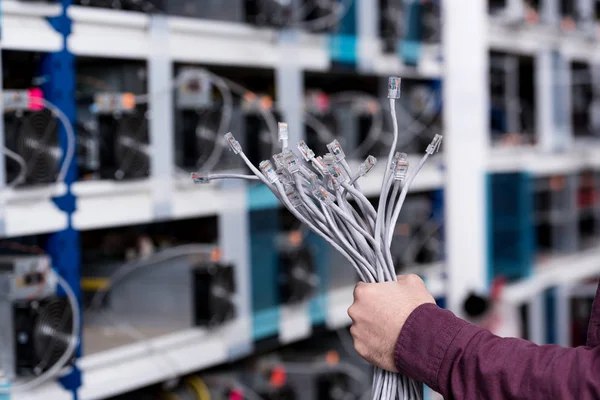
Tajikistan’s Prosecutor General Khabibullo Vokhidzoda has reported a rise in illegal cryptocurrency mining operations and electricity theft across the country. Illegal Cryptocurrency Mining In the first half of 2025, authorities identified and recovered 32 million somoni ($3.52 million) in damages linked to stolen electricity used to power cryptocurrency mining equipment. “There are individuals who import mining equipment from abroad and operate cryptocurrency farms illegally,” Vokhidzoda said. Currently, 4-5 criminal cases are under investigation involving the installation and operation of such devices. Cryptocurrency, he noted, is a digital currency maintained through a decentralized payment system, with mining requiring high-powered computers, stable internet, and substantial electricity consumption. Although Tajikistan does not have a legal framework regulating cryptocurrency mining, law enforcement regularly shuts down illegal farms. Recently, the Sughd Region Prosecutor’s Office uncovered seven cases in which 135 mining devices were found operating inside residential buildings, causing an estimated 287,939 somoni ($31,673) in damages. Widespread Electricity Theft Illegal electricity use remains a major problem. Since January, 3,988 individuals have faced administrative or disciplinary action, while 190 criminal cases have been opened. The total damages recovered so far amount to 38.7 million somoni ($4.26 million). Electricity debts are also mounting: subscribers accumulated 273 million somoni ($30 million) in unpaid bills in the first half of 2025. Nationwide, total arrears stand at 4.6 billion somoni ($506 million), with 1.6 billion somoni ($176 million) owed by households and the rest by enterprises and organizations. Tougher Penalties Introduced This year, Tajikistan increased fines for electricity theft and non-payment. Under the Criminal Code, violations can now result in fines from 27,000 to 90,000 somoni ($2,970-$9,900) or imprisonment for three to ten years. The Administrative Offenses Code also provides for fines ranging from 1,500 to 22,500 somoni ($165-$2,475) for misuse of electricity and heat.

Central Asia’s Crypto Gamble: Growth Amid Uncertainty

Central Asian countries are approaching the cryptocurrency and crypto-mining industry at varying speeds. While some are just beginning to explore the sector, others have already taken significant, albeit sometimes contradictory, steps. Kazakhstan: From Mining Powerhouse to Regulatory Caution Kazakhstan once emerged as a global leader in bitcoin mining. Between mid-2021 and early 2022, the country ranked third in the world in terms of bitcoin mining capacity, accounting for 13.22% of global computing power, trailing only the United States and China. This boom was fueled by low electricity costs, favorable tax conditions, and an influx of miners fleeing stricter regulations in China. However, the rapid growth strained Kazakhstan’s energy infrastructure. The Ministry of Energy reported that while annual electricity consumption had previously grown by an average of 2%, in 2021 it surged by 6.1% and up to 12% in the densely populated southern energy zone. Digital mining was cited as the primary cause. By early 2025, Kazakhstan’s share of global mining capacity had dropped to just 1.4%, placing it outside the top five globally. Although around 60 companies are currently active in the sector, some operations have stalled. Tax legislation has tightened since 2022, with miners required to pay 1-2 tenge per kilowatt-hour depending on the energy source. Illegal mining and unlicensed exchanges remain a challenge; in 2024 alone, 12 criminal cases were launched against underground platforms. Despite these setbacks, experts see potential for a more sustainable and regulated industry. The Astana International Financial Center (AIFC) has become the hub for cryptocurrency operations. A 2023 law on digital assets and updated rules from the Astana Financial Services Authority (AFSA) in 2024 have laid a more comprehensive legal foundation, including provisions on cybersecurity and anti-money laundering. Over 10 licensed cryptocurrency exchanges now operate in Kazakhstan, including global names like Binance, Bybit, and Bitfinex Securities. New initiatives such as the digital tenge and the Cryptocard aim to further integrate blockchain into daily financial transactions. President Kassym-Jomart Tokayev reaffirmed the government's commitment to digital transformation in March 2025: “The development of the digital asset industry and blockchain technology plays a major role. Urgent measures must be taken to liberalize regulation, ensure the legal circulation of digital assets and crypto exchanges, and attract investment in digital mining,” he said. Uzbekistan: State-Supported Growth Uzbekistan has made blockchain and digital assets a policy priority. The National Agency for Perspective Projects (NAPP) is the main regulatory body. Between 2022 and 2024, the agency issued 14 licenses to cryptocurrency companies. The UzNEX exchange, an internationally licensed platform, has played a key role in developing the crypto market in both Uzbekistan and the wider region. Its services include crypto asset trading, staking, and NFT transactions. In 2024, it expanded its list of supported cryptocurrencies (including Toncoin) and plans to launch a digital art platform. Total trading volume exceeded $1 billion in 2024. Kyrgyzstan: Building a Legal Framework Since 2022, Kyrgyzstan has actively developed its regulatory environment for digital assets. The key legislation is the Law on Virtual Assets, which outlines...