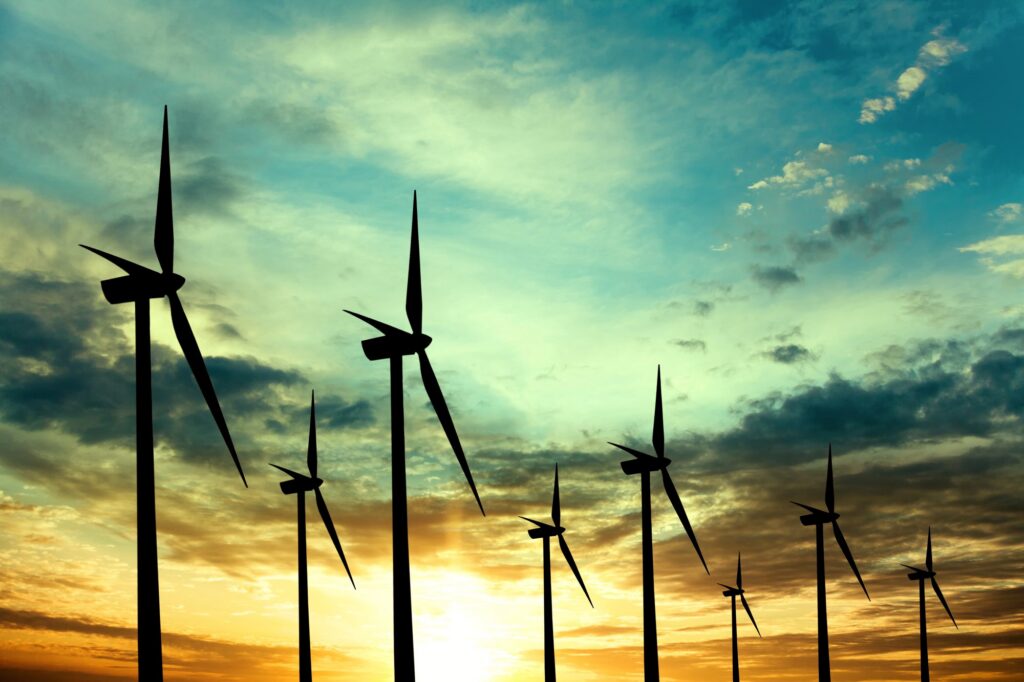
TotalEnergies Launches Wind Farm Project in Southern Kazakhstan
French energy company TotalEnergies has launched construction of the Mirny wind farm, a 1-gigawatt renewable energy project in Kazakhstan’s Moyinkum District in the Zhambyl Region. Once completed, the facility is expected to become one of the largest wind power installations in Central Asia. The project provides for the installation of around 150 wind turbines supplied by Envision and SANY. It will also include a 600-megawatt-hour energy storage system developed by the French battery manufacturer Saft, designed to improve grid stability and optimize power distribution. Total investment in the project is estimated at about $1.1 billion. The wind farm is scheduled to be commissioned in the fourth quarter of 2028. Annual electricity generation is projected to reach up to 4 billion kilowatt-hours, which could reduce carbon dioxide emissions by at least 3.2 million tons per year. Kazakhstan’s authorities view the expansion of renewable energy as a key component of efforts to reduce the country’s carbon footprint. National greenhouse gas emissions stood at 375.4 million tons in 2020, declined to 328.4 million tons in 2021, and rose again to 353 million tons in 2022, according to previously reported data. The energy sector remains the largest source of emissions, accounting for approximately 281.9 million tons of greenhouse gases in 2022. The Ministry of Energy has said the TotalEnergies project will contribute to the development of green energy, strengthen energy security, and support the country’s broader decarbonization goals. Authorities also plan further expansion of renewable capacity. Ten new projects with a combined capacity of 245 megawatts are expected to be launched this year, covering wind, solar, and hydroelectric generation. Together with existing facilities, they are projected to produce around 8.8 billion kilowatt-hours of electricity. In addition to the Mirny wind farm, other major renewable initiatives involving foreign investors are underway. These include a $1.4 billion wind power project backed by the United Arab Emirates’ Masdar, as well as wind and solar developments led by China Power and China Energy in several regions. Competitive auctions remain the main mechanism for expanding renewable energy capacity. Kazakhstan plans to allocate 6.7 gigawatts of new capacity through auctions between 2024 and 2027. In the longer term, the government aims to bring more than 8 gigawatts of renewable energy capacity online by 2035. As previously reported by The Times of Central Asia, officials have also said the country intends to eliminate its electricity deficit and begin exporting power by 2027.