


Tajikistan Winter Power Shortages Threaten Forests
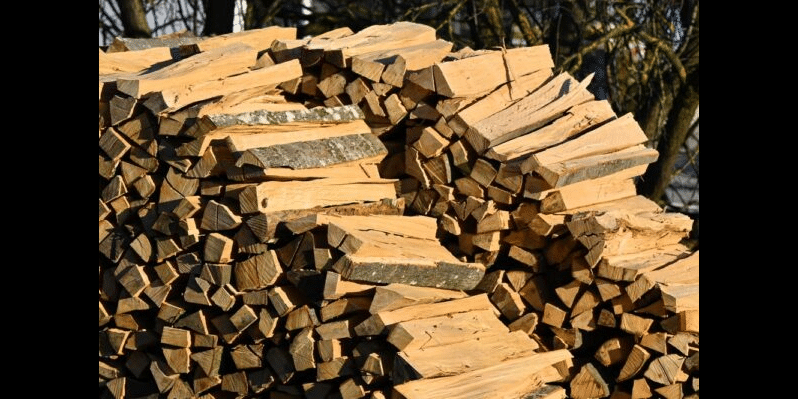
A resident of the Farkhor district in southern Tajikistan faces a fine of up to $10,100 for allegedly cutting down eight trees on the grounds of a local medical center. The environmental damage has been estimated at $2,400, and police have opened a criminal case. In the Dangara district, police reported earlier this month that a 38-year-old resident had cut down 88 healthy trees for firewood, including 64 hawthorns and 24 cherry plum trees. In 2018, Tajik authorities doubled fines for illegal tree felling. The number of recorded violations declined, but in the first three months of 2026 alone, environmental authorities identified 162 cases in the southern Khatlon region. Fines totaled approximately $9,400. Forests cover approximately 3% of Tajikistan. According to official figures published in 2022, they occupied approximately 420,000 hectares. That year, the environmental organization Little Earth estimated that a century earlier, forests had covered around a quarter of the country’s territory. Reliance on firewood for heating has contributed to deforestation for decades, putting the country’s limited forests under pressure. Overgrazing and urban expansion have also reduced forest cover. Nationwide figures on the number of illegally felled trees are not readily available, making it difficult to assess the extent of the environmental damage caused by firewood harvesting. Tajikistan relies almost entirely on hydropower for electricity generation. In winter, when households need more electricity to heat their homes, river flows decrease and hydropower generation declines. During the 2025–2026 heating season, electricity supply restrictions began in September, well before the onset of cold weather. In December, energy officials told Asia-Plus that households in affected areas were receiving electricity for four to five hours a day. Residents in some districts said their homes had power for just one to three hours. Authorities attributed the restrictions to low water levels in the reservoir of the Nurek Hydropower Plant. Even when electricity is available, using it for heating is becoming more expensive. Residential electricity tariffs increased by approximately 17% on February 1, 2026. Authorities expect seasonal electricity restrictions to end when the third generating unit at the Rogun Hydropower Plant, currently under construction, begins operating. Its commissioning is scheduled for September 2027. In the meantime, Tajikistan plans to offset part of its winter electricity shortfall through seasonal power exchanges with neighboring Uzbekistan. Tajikistan received 306 million kilowatt-hours of electricity from Uzbekistan last winter under an agreement to return an equivalent amount during the summer.
