
• KGS/USD = 0.01144 0%
  • KZT/USD = 0.00200 0%
  • TJS/USD = 0.10470 -0.19%
  • UZS/USD = 0.00008 0%
  • TMT/USD = 0.28490 0%
  • KGS/USD = 0.01144 0%
  • KZT/USD = 0.00200 0%
  • TJS/USD = 0.10470 -0.19%
  • UZS/USD = 0.00008 0%
  • TMT/USD = 0.28490 0%
  • KGS/USD = 0.01144 0%
  • KZT/USD = 0.00200 0%
  • TJS/USD = 0.10470 -0.19%
  • UZS/USD = 0.00008 0%
  • TMT/USD = 0.28490 0%
  • KGS/USD = 0.01144 0%
  • KZT/USD = 0.00200 0%
  • TJS/USD = 0.10470 -0.19%
  • UZS/USD = 0.00008 0%
  • TMT/USD = 0.28490 0%
  • KGS/USD = 0.01144 0%
  • KZT/USD = 0.00200 0%
  • TJS/USD = 0.10470 -0.19%
  • UZS/USD = 0.00008 0%
  • TMT/USD = 0.28490 0%
  • KGS/USD = 0.01144 0%
  • KZT/USD = 0.00200 0%
  • TJS/USD = 0.10470 -0.19%
  • UZS/USD = 0.00008 0%
  • TMT/USD = 0.28490 0%
  • KGS/USD = 0.01144 0%
  • KZT/USD = 0.00200 0%
  • TJS/USD = 0.10470 -0.19%
  • UZS/USD = 0.00008 0%
  • TMT/USD = 0.28490 0%
  • KGS/USD = 0.01144 0%
  • KZT/USD = 0.00200 0%
  • TJS/USD = 0.10470 -0.19%
  • UZS/USD = 0.00008 0%
  • TMT/USD = 0.28490 0%

Viewing results 1 - 6 of 20

Democracy’s Unsung Day Finds a Voice in Tashkent

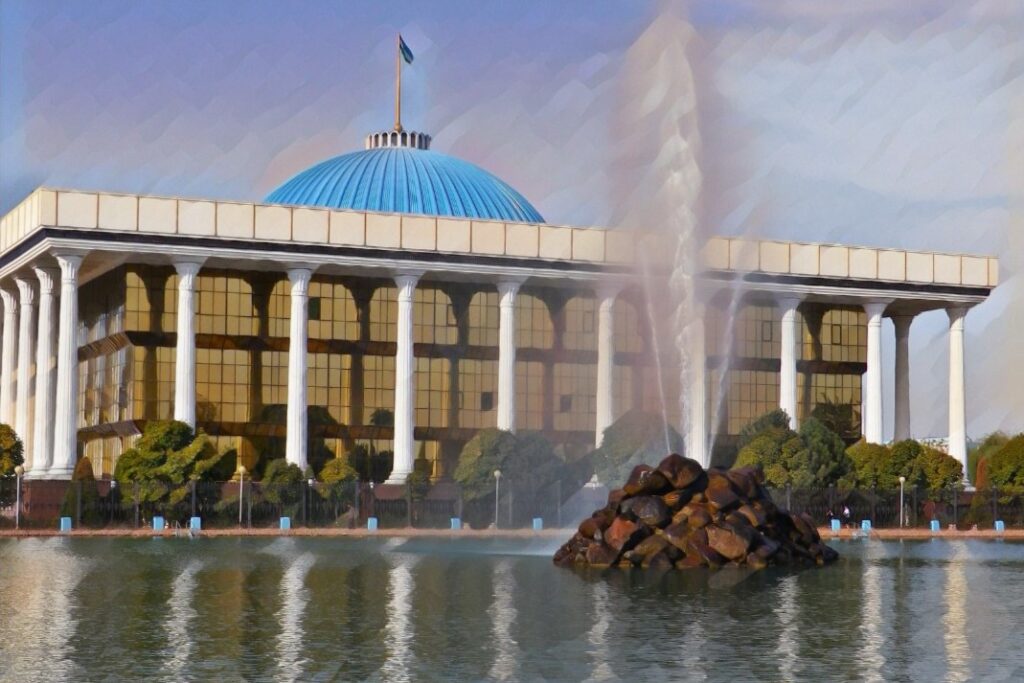
For a holiday few have heard of, the International Day of Parliamentarism carries more weight than its quiet profile suggests. Marked each year on June 30th — the anniversary of the Inter-Parliamentary Union’s founding in 1889 — it was never intended to generate mass celebrations. Instead, it serves as a modest reminder that parliamentary institutions, often overlooked and frequently maligned, still matter. This year, the occasion arrived with more relevance than usual. In April, Tashkent hosted the 150th Assembly of the Inter-Parliamentary Union (IPU) — the first time such a gathering had taken place in Central Asia. It was Uzbekistan’s diplomatic debut on the global parliamentary stage, attracting over 1,400 delegates from 130 countries. The timing, just months before the official Day of Parliamentarism, was deliberate. For Uzbekistan, still navigating its democratic evolution, the event offered both a platform and a test. President Shavkat Mirziyoyev opened the proceedings with an appeal to the enduring value of representative institutions. “You are a powerful force,” he told lawmakers, “capable of perceiving the concerns and problems of ordinary people, elevating them, if necessary, to the regional and international level, and finding effective solutions for them.” In a country where the parliament remains largely deferential to the executive, the words were aspirational. Yet they reflected a broader ambition: to present Uzbekistan as a serious contributor to global governance conversations, and as a reformer — albeit a cautious one — at home. The assembly also put a spotlight on the International Day itself, which remains unfamiliar to many. Established by the UN in 2018, the day commemorates the founding of the IPU and serves to promote parliaments as critical pillars of democracy, lawmaking, and oversight. While few countries observe it with more than a press release, the IPU has worked to turn June 30th into a hub for discussion, experimentation, and institutional self-reflection. This year’s global theme is gender equality. Under the motto “Step by Step Toward Gender Equality,” the IPU — together with UN Women — has launched a campaign marking the 30th anniversary of the Beijing Declaration. It comes at a time when progress on women’s political representation has slowed. As of early 2025, fewer than one-third of national parliamentarians globally are women. In some regions, the numbers are falling. The campaign goes beyond slogans. It calls for legal quotas, safer working conditions, and stronger mechanisms to address harassment and political violence. In Tashkent, the initiative received an unexpected boost. President Mirziyoyev cited research estimating that global GDP could rise by over 25% if gender parity were achieved in public and economic life. His remarks were later incorporated into the Tashkent Declaration — a document that emphasized the link between inclusive representation and sustainable development. The IPU itself has taken modest but meaningful steps to promote gender balance within its ranks. Delegations without women face sanctions; forums for women parliamentarians are increasingly influential; and men are being actively recruited as allies in the push for equality. The campaign’s underlying message is clear: democracy...

Uzbekistan President’s Party Wins Landmark Election Held Under New Voting System

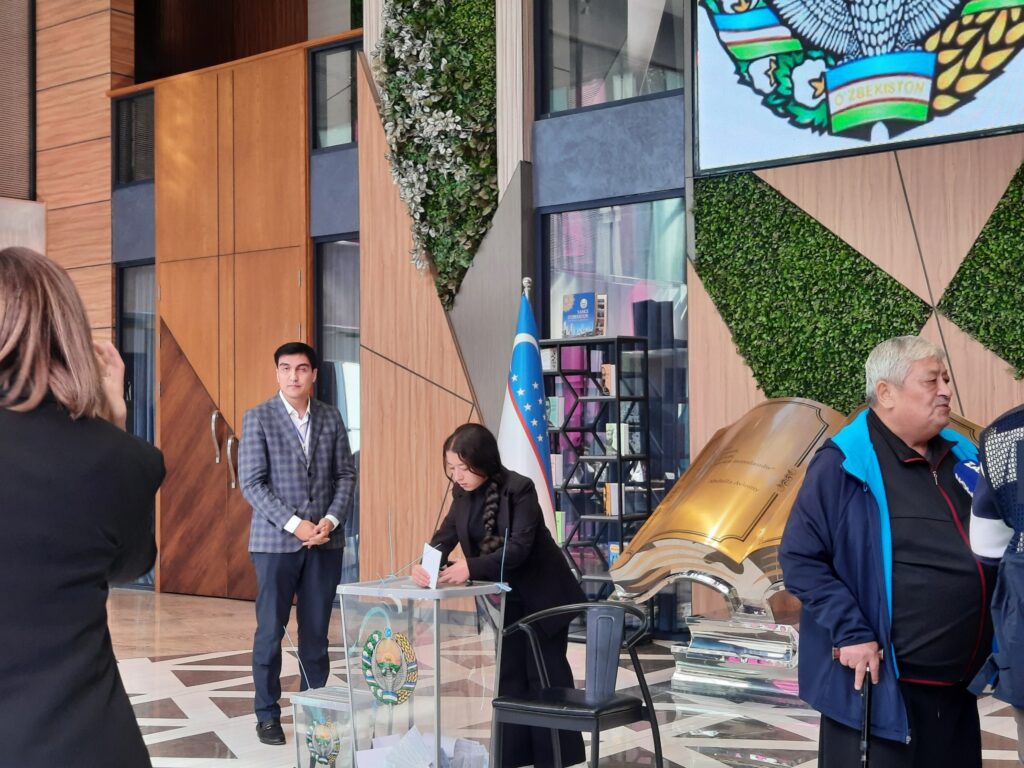
On October 27, Uzbekistan held elections for deputies of the Legislative Chamber of the Oliy Majlis (Lower House of Parliament) and local councils. This marks the first time these elections were conducted using a mixed (majority-proportional) system and featured electronic voting. For over a month, parties actively promoted their election programs to the public, with televised debates and messages on public transport urging citizens to participate in the elections and shape the country’s future. As required by law, all campaign activities were halted one day before the election. The electoral platforms of the five parties registered in Uzbekistan saw The Liberal Democratic Party of Uzbekistan (UzLiDeP) emphasize poverty reduction and promoting internal labor migration over the next five years. The party also campaigned on expanding public-private partnerships in water management, ecology, and energy to increase the private sector's share in the economy to 85%. Additionally, UzLiDeP pledged to improve education, healthcare, and social services, focusing on providing clean drinking water and sewage systems in schools. The party pledged to double the annual budget for healthcare to $6 billion, and advocated to enhance healthcare and social support for citizens over the age of 70. The People’s Democratic Party (PDP) focused on accessibility and social support, including assistive technologies at public transportation points for people with disabilities. They proposed adopting a “Social Housing” law, requiring luxury housing developers to allocate funds for social housing. This would benefit vulnerable groups, such as the homeless, people with disabilities, and those coming through the orphanage system. The party’s environmental initiatives included the Water Code and creating “Health Parks” for seniors near apartment complexes. The Milli Tiklanish (National Revival) Party’s platform spanned various topics, including youth development, cultural enrichment, family support, economic growth, and tourism. One key pledge emphasized Uzbekistan’s international relations, focusing on friendly ties with neighboring countries, cooperation, and maintaining peace - this despite party leader, Alisher Qodirov's anti-Russian rhetoric, including recent comments that “it would be better for [Russia] to deal with their own affairs [which are] full of problems than to deal with our internal issues." Qodirov has been actively responding to international discussions about Uzbekistan, reinforcing the party’s commitment to advancing national interests and strengthening Uzbekistan’s presence on the world stage. The Adolat (Justice) Social Democratic Party ran on a platform of advocating for media freedom, proposing reforms to safeguard journalists’ rights and prevent interference. Adolat pledged to introduce a “Presumption of Property Rights” to protect ownership and put forward affordable energy and price stability initiatives. The Ecology Party’s motto, “We are responsible for the future!” set out to drive home its focus on environmental and social issues. The party promoted government, business, and civil society efforts to address environmental challenges, whilst seeking to improve environmental legislation and education, and transitioning Uzbekistan toward a green economy. [caption id="attachment_24929" align="aligncenter" width="2560"] @TCA[/caption] According to Uzbek legislation, the election would be deemed valid once 33% of voters participated, and by 1pm local time 47.62% of voters had cast their ballots. President Shavkat Mirziyoyev and...