
• KGS/USD = 0.01144 0%
  • KZT/USD = 0.00210 0%
  • TJS/USD = 0.10563 0%
  • UZS/USD = 0.00008 0%
  • TMT/USD = 0.28530 0%
  • KGS/USD = 0.01144 0%
  • KZT/USD = 0.00210 0%
  • TJS/USD = 0.10563 0%
  • UZS/USD = 0.00008 0%
  • TMT/USD = 0.28530 0%
  • KGS/USD = 0.01144 0%
  • KZT/USD = 0.00210 0%
  • TJS/USD = 0.10563 0%
  • UZS/USD = 0.00008 0%
  • TMT/USD = 0.28530 0%
  • KGS/USD = 0.01144 0%
  • KZT/USD = 0.00210 0%
  • TJS/USD = 0.10563 0%
  • UZS/USD = 0.00008 0%
  • TMT/USD = 0.28530 0%
  • KGS/USD = 0.01144 0%
  • KZT/USD = 0.00210 0%
  • TJS/USD = 0.10563 0%
  • UZS/USD = 0.00008 0%
  • TMT/USD = 0.28530 0%
  • KGS/USD = 0.01144 0%
  • KZT/USD = 0.00210 0%
  • TJS/USD = 0.10563 0%
  • UZS/USD = 0.00008 0%
  • TMT/USD = 0.28530 0%
  • KGS/USD = 0.01144 0%
  • KZT/USD = 0.00210 0%
  • TJS/USD = 0.10563 0%
  • UZS/USD = 0.00008 0%
  • TMT/USD = 0.28530 0%
  • KGS/USD = 0.01144 0%
  • KZT/USD = 0.00210 0%
  • TJS/USD = 0.10563 0%
  • UZS/USD = 0.00008 0%
  • TMT/USD = 0.28530 0%

Viewing results 1 - 6 of 6

Turkmenistan Fuel Duties Force Truck Drivers to Dump Diesel

Since early April, Turkmenistan has imposed restrictions limiting the amount of fuel in the tanks of trucks leaving the country to no more than 300 liters. Any excess fuel may be retained only upon payment of a duty of $5.72 per liter, about 20 times higher than the official domestic price. Faced with these costs, many drivers have opted to dispose of surplus diesel instead. On April 5, turkmen.news posted a video on its Telegram channel showing foreign truck drivers dumping large quantities of diesel directly onto the ground. According to the outlet, the practice is a response to the country’s fuel regulations. Foreign truck drivers are required to pay the duty in U.S. dollars at the official exchange rate, rather than in the local currency. As a result, each additional liter effectively costs about $5.70. By comparison, diesel prices in Hong Kong, often cited among the highest globally, are nearly $2 lower per liter. In Kazakhstan, diesel costs approximately $0.70 per liter, while in Uzbekistan it is around $1. Within Turkmenistan, domestic fuel prices remain heavily subsidized at roughly $0.05 per liter. Only citizens of Turkmenistan are permitted to pay the duty in the national currency, the Turkmen manat. All others must pay in dollars, which are then converted into manats at the official exchange rate of 3.5 manats per dollar. Experienced drivers transiting Turkmenistan typically obtain manats in advance for local expenses. In this case, however, the requirement to pay in foreign currency appears to serve an additional fiscal purpose. As a result, rather than preventing fuel shortages, the policy has caused environmental damage, with significant quantities of diesel dumped onto the soil. Turkmenistan drivers are also reported to engage in similar practices, particularly those traveling to or through Kazakhstan, where refueling is cheaper than paying approximately $1 per excess liter at home. The impact is not limited to environmental concerns. Freight carriers operating within Turkmenistan have already begun increasing logistics prices, reflecting the added costs associated with the new regulations.
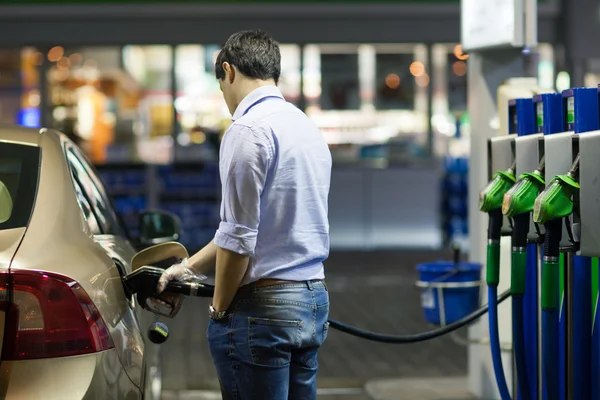

Turkmenistan Introduces Fuel Limits for Vehicles Leaving the Country

Turkmenistan introduced new rules governing fuel exports at the beginning of April. Under the regulations, the amount of diesel in the tanks of vehicles leaving the country must not exceed 300 liters. If this limit is exceeded, a fee of approximately $1 per additional liter is charged. The new rules primarily affect heavy-duty trucks, which traditionally carry large volumes of fuel. Enforcement has been assigned to the State Border Service, the State Customs Service, and the state-owned company Turkmenneft. Specialists from the General Directorate of Türkmennebitönümleri, the entity responsible for the distribution of petroleum products, are tasked with measuring fuel volumes at border checkpoints. The fuel volume of each vehicle is checked and entered into an electronic system. If the limit is exceeded, the driver is issued two receipts: one remains with the driver, while the other is sent to a bank for payment. All measurements are also recorded in a dedicated logbook. According to the authorities, this system is intended to reduce the risk of fraud and informal payments. The reasons for tightening the regulations are clear. Diesel in Turkmenistan costs around $0.05 per liter. By comparison, in the summer of 2025, it cost about $1 in Uzbekistan, approximately $0.60 in Kazakhstan, and around $0.90 in Russia. This price disparity has long created conditions for black-market activity. Fuel is smuggled abroad and resold, while domestic shortages periodically occur. Drivers face restrictions at filling stations, and additional fuel is often sold at a surcharge that can reach 200% of the official price. As a result, the market has become distorted, with potential state revenue reportedly being diverted through corrupt practices. Another contributing factor is the recent rise in global fuel prices, driven in part by escalating tensions in the Strait of Hormuz, a critical route for global oil and gas shipments. Similar measures have been introduced elsewhere in the region. Kazakhstan tightened regulations on the export of petroleum products and, in autumn 2025, imposed a full ban that remains in effect until May this year. Russia also restricted fuel exports starting April 1, with the measures expected to remain in place until at least July 31.