
• KGS/USD = 0.01143 0%
  • KZT/USD = 0.00216 0%
  • TJS/USD = 0.10633 -0.28%
  • UZS/USD = 0.00008 0%
  • TMT/USD = 0.28571 0%
  • KGS/USD = 0.01143 0%
  • KZT/USD = 0.00216 0%
  • TJS/USD = 0.10633 -0.28%
  • UZS/USD = 0.00008 0%
  • TMT/USD = 0.28571 0%
  • KGS/USD = 0.01143 0%
  • KZT/USD = 0.00216 0%
  • TJS/USD = 0.10633 -0.28%
  • UZS/USD = 0.00008 0%
  • TMT/USD = 0.28571 0%
  • KGS/USD = 0.01143 0%
  • KZT/USD = 0.00216 0%
  • TJS/USD = 0.10633 -0.28%
  • UZS/USD = 0.00008 0%
  • TMT/USD = 0.28571 0%
  • KGS/USD = 0.01143 0%
  • KZT/USD = 0.00216 0%
  • TJS/USD = 0.10633 -0.28%
  • UZS/USD = 0.00008 0%
  • TMT/USD = 0.28571 0%
  • KGS/USD = 0.01143 0%
  • KZT/USD = 0.00216 0%
  • TJS/USD = 0.10633 -0.28%
  • UZS/USD = 0.00008 0%
  • TMT/USD = 0.28571 0%
  • KGS/USD = 0.01143 0%
  • KZT/USD = 0.00216 0%
  • TJS/USD = 0.10633 -0.28%
  • UZS/USD = 0.00008 0%
  • TMT/USD = 0.28571 0%
  • KGS/USD = 0.01143 0%
  • KZT/USD = 0.00216 0%
  • TJS/USD = 0.10633 -0.28%
  • UZS/USD = 0.00008 0%
  • TMT/USD = 0.28571 0%

Viewing results 1 - 6 of 2

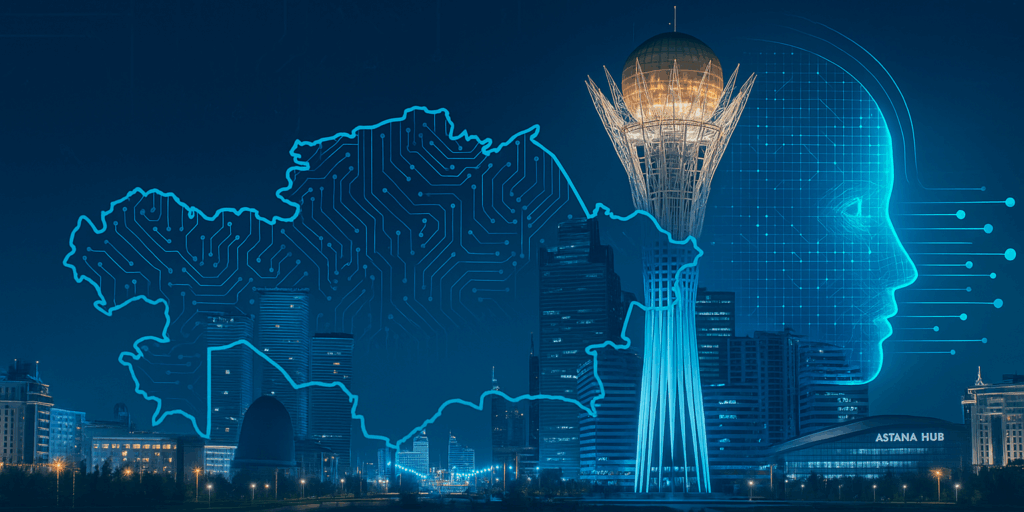
Digital Geopolitics and AI Strategy in Central Asia

Central Asia, long known as a crossroads of global trade routes, is once again emerging as a stage for strategic competition. This time, the old caravan routes have been replaced by digital highways. The new contest is over technologies and data flows. For countries in the region, especially Kazakhstan, choosing a digitalization model and an AI development strategy is no longer just a technical matter. It is a fundamental decision tied to national security and long-term competitiveness. Equally important is the “digital ideology” behind these choices, something clearly illustrated today by two giants of the Global South: China and India, each with over a billion people and very different approaches to digital growth. The Dragon's Shadow: China's Systematic Expansion in Central Asia China’s ongoing real estate crisis, rising debt, and slowing domestic demand have pushed Beijing to look outward for growth. One major tool is the Digital Silk Road, announced in 2015 as part of the Belt and Road Initiative. This long-term program aims to export Chinese digital technologies. For Central Asian states, it brings an appealing “one-stop shop” of turnkey solutions: everything from 5G mobile and 10G-PON fixed networks to smart city systems (Huawei, ZTE), surveillance platforms (Hikvision), and fintech tools (Ant Group, Tencent). The benefits come with risks. A heavy reliance on one supplier creates the danger of vendor lock-in. When an entire digital ecosystem is tied to a single foreign provider, questions of security and long-term debt become inevitable. Kazakhstan has shown flexibility by experimenting with mixed models rather than relying exclusively on Chinese systems. Competing Models: China's "Walled Garden" and India's "Digital Public Infrastructure" China: The model is centralized, built on state corporations and giant platforms. It delivers speed and scale of growth, but at the cost of strict control and regulation. The Chinese government has tightened its grip on big tech companies (Alibaba and Tencent), imposed stricter rules on the collection and use of personal data under the Personal Information Protection Law (2021), and limited the fintech divisions of major firms to prevent systemic risks. India: The state has developed India Stack, a package of open digital platforms (Aadhaar, UPI, DigiLocker) that serve as the rails for thousands of startups and services. This gave India global leadership in digital payments and created a model of open digitalization. Central Asia is already partially repeating this experience (Kazakhstan’s eGov.kz, Kaspi.kz, and the digital tenge), though without the depth and openness that made the Indian approach unique. Today, Central Asia is forming a pragmatic hybrid: Chinese hardware for rapid infrastructure, Indian logic in public services (GovTech, eGov.kz), and European regulatory standards under the GDPR (in force since 2018), which serves as a global benchmark of trust in data. This “three-axis” hybrid allows a balance between speed of implementation and regulatory control. Europe's Alternative: Global Gateway and the Digital Silk Way Europe seeks to strengthen its position in Central Asia and the South Caucasus by offering an alternative to Chinese expansion. Its key tool is the EU Global Gateway...


M360 Eurasia Opens in Tashkent with Emphasis on Digital Growth

The GSMA M360 Eurasia conference officially opened on May 21 in Tashkent, marking the event’s first ever appearance in Uzbekistan. The gathering brought together telecommunications leaders, digital experts, and policymakers to explore how mobile technologies can fuel economic development and enhance quality of life across Eurasia. A key highlight of the opening day was the launch of the GSMA Mobile Economy Eurasia 2025 report. According to the findings, mobile services and technologies contributed $220 billion to the Eurasian economy in 2024, equivalent to 7.7% of the region’s GDP. That figure is projected to rise to $270 billion by 2030, comprising 8.3% of GDP. GSMA Director General Vivek Badrinath addressed the opening ceremony, underscoring the economic impact of connectivity. “Connectivity is a powerful engine of economic growth and a catalyst for transforming businesses and public services across the region,” he said. Badrinath emphasized that mobile technologies are already driving efficiency across Eurasia and will play an even greater role in the years ahead. Bridging the Digital Divide The first day’s sessions focused on mobile internet expansion, 5G deployment, and the application of artificial intelligence (AI) in daily life. Speakers presented data and personal stories illustrating both achievements and obstacles. A recurring theme was the disparity between mobile coverage and actual usage. While mobile internet now reaches two-thirds of the population (164 million people), approximately 80 million individuals still do not use it, despite living in areas with available access. The gap, experts noted, stems from issues such as affordability, digital literacy, and lack of awareness. John Giusti, GSMA’s Chief Regulatory Officer, stressed the urgency of inclusive digital policies. “How do we ensure digital transformation benefits everyone? We cannot afford to leave anyone behind,” he said. Giusti praised Uzbekistan’s Digital 2030 strategy as a model, citing the rapid expansion of 5G to all regional centers, enhanced internet bandwidth, and improved governance. Uzbekistan has led the region in progressive spectrum policy, being the first to allocate the 700 MHz band for broadband and to distribute parts of the C-band at no cost, steps that accelerated the country’s 5G rollout. “Forward-looking policies like these enhance service quality and contribute to economic growth,” Giusti added. Digital Reform in Uzbekistan Sherzod Shermatov, Uzbekistan’s Minister of Digital Technologies, outlined the country’s transformation. “In 2017, internet access was limited, expensive, and unavailable in many areas. Today, every school, hospital, and remote village has internet access,” he said. “Our focus is not just on availability, but also on affordability and quality.” Shermatov detailed the government’s efforts to digitize public services, support IT businesses through tax incentives, and upskill the workforce. “We are creating an environment where digital businesses can thrive,” he said, adding that the number of tech companies per million people has more than tripled since 2017. The minister also highlighted new services for persons with disabilities and the expansion of digital public services, reinforcing the country’s commitment to inclusive digital development. Showcasing Innovation A standout feature of the conference was the GSMA Foundry demo pod, which showcased...