


Afghanistan’s Regional Ties Grow as Global Reintegration Stalls
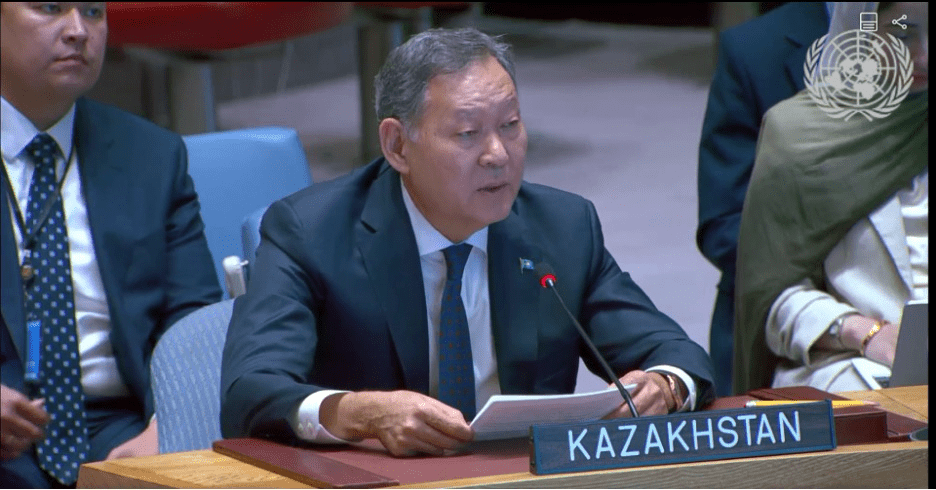
For Central Asia, Afghanistan is both a source of risk and a potential route south. Governments across the region increasingly see a more stable Afghanistan as a way to open new markets and expand economic links with South Asia. Afghanistan is a direct neighbor of Tajikistan, Uzbekistan, and Turkmenistan. The geography is different for Kazakhstan and Kyrgyzstan, but their political and economic interests are no less significant. Many long-term plans for expanding Central Asia’s connections to the south depend in part on Afghanistan’s future and the role it can play in the regional economy. At the UN Security Council’s September 16, 2026, meeting on Afghanistan, Kazakhstan set out a position that may reflect a wider Central Asian view. Astana argued that engagement with Afghanistan’s current authorities should not be equated with recognition and that isolation could not offer a sustainable solution. Astana proposes moving past the current focus on humanitarian aid. In Kazakhstan’s view, the next phase of international engagement should gradually move Afghanistan from dependence on humanitarian aid toward economic self-reliance through job creation, private-sector development, the restoration of financial channels, and expanded trade and investment. The statement also calls for Afghanistan’s integration into the regional economy. Kazakhstan’s representative specifically discussed connections between Central and South Asia, Kazakh-Afghan business ties, trade houses in Herat and Kabul, and the new UN Regional Centre for the Sustainable Development Goals for Central Asia and Afghanistan in Almaty. Astana also expressed concern about restrictions affecting Afghan women and girls. Georgette Gagnon, the UN secretary-general’s deputy special representative for Afghanistan, delivered the main briefing. Five years after the Taliban’s return to power, the UN Assistance Mission in Afghanistan (UNAMA) assesses that the de facto authorities face no significant armed or political threat to their control, although risks to long-term stability are accumulating and largely stem from their own policies. UNAMA therefore distinguishes between the Taliban’s control of the country and its prospects for long-term stability. UNAMA views the Doha process as the main multilateral framework for Afghanistan’s gradual reintegration into the international community. It links progress to women’s rights and inclusive governance, along with the fulfillment of counterterrorism commitments. The mission also notes that Kabul prefers bilateral relations to multilateral engagement. Russia and China focused on pragmatic engagement and economic recovery, stressing the need to avoid isolation. China also urged Kabul to step up its efforts against terrorist groups and lift restrictions preventing Afghan women employed by the UN from doing their jobs. Russia called for dialogue without pressure and for steps toward Afghanistan’s international reintegration without preconditions. Afghanistan’s economic ties with some regional partners are expanding while its political normalization at the global level remains unresolved. Kazakhstan’s position illustrates this divide. It allows for engagement without accepting the existing order as permanent or waiting for isolation to change it. Future international discussions on Afghanistan will have to address this tension.
