
• KGS/USD = 0.01144 0%
  • KZT/USD = 0.00204 0%
  • TJS/USD = 0.10786 0.56%
  • UZS/USD = 0.00008 0%
  • TMT/USD = 0.28490 0%
  • KGS/USD = 0.01144 0%
  • KZT/USD = 0.00204 0%
  • TJS/USD = 0.10786 0.56%
  • UZS/USD = 0.00008 0%
  • TMT/USD = 0.28490 0%
  • KGS/USD = 0.01144 0%
  • KZT/USD = 0.00204 0%
  • TJS/USD = 0.10786 0.56%
  • UZS/USD = 0.00008 0%
  • TMT/USD = 0.28490 0%
  • KGS/USD = 0.01144 0%
  • KZT/USD = 0.00204 0%
  • TJS/USD = 0.10786 0.56%
  • UZS/USD = 0.00008 0%
  • TMT/USD = 0.28490 0%
  • KGS/USD = 0.01144 0%
  • KZT/USD = 0.00204 0%
  • TJS/USD = 0.10786 0.56%
  • UZS/USD = 0.00008 0%
  • TMT/USD = 0.28490 0%
  • KGS/USD = 0.01144 0%
  • KZT/USD = 0.00204 0%
  • TJS/USD = 0.10786 0.56%
  • UZS/USD = 0.00008 0%
  • TMT/USD = 0.28490 0%
  • KGS/USD = 0.01144 0%
  • KZT/USD = 0.00204 0%
  • TJS/USD = 0.10786 0.56%
  • UZS/USD = 0.00008 0%
  • TMT/USD = 0.28490 0%
  • KGS/USD = 0.01144 0%
  • KZT/USD = 0.00204 0%
  • TJS/USD = 0.10786 0.56%
  • UZS/USD = 0.00008 0%
  • TMT/USD = 0.28490 0%

Viewing results 1 - 6 of 2

Kyrgyzstan Expands Domestic Drone Production

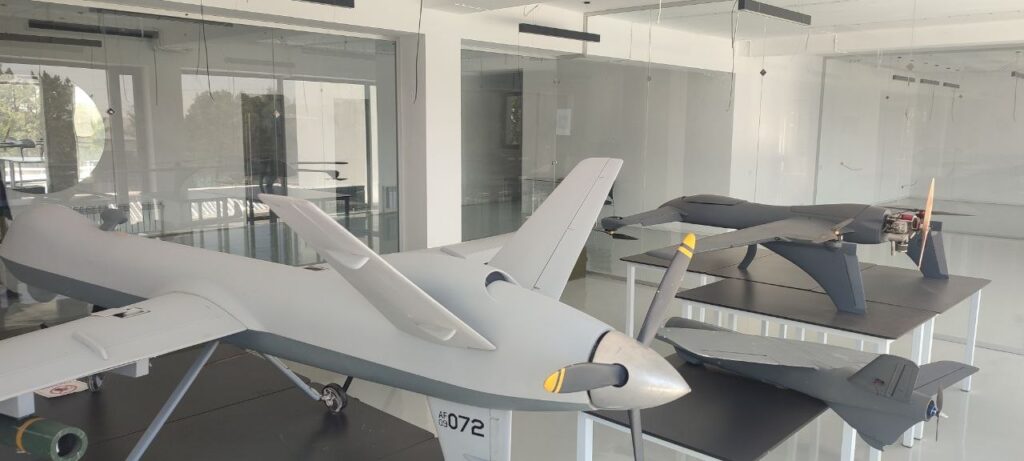
A private research center near Bishkek is expanding production of unmanned and robotic systems as Kyrgyzstan invests more heavily in drones, robotics, and military modernization. The Times of Central Asia previously reported that Kyrgyzstan’s armed forces have expanded alongside sharp increases in defense spending, with drones receiving particular attention since Bishkek acquired its first combat drones in late 2021. The Nanospace Research Center, which operates with private funding, was established with support from Kyrgyz President Sadyr Japarov, who allocated land for the facility and helped its founders establish cooperation with the country’s armed forces. According to Nanospace Director Ulan Salamatov, the center now holds a license to manufacture military-grade unmanned systems. “We assemble FPV drones, long-range reconnaissance drones, and ground robotic systems here. These machines can provide fire support or place explosives under enemy tanks,” Nanospace Director Ulan Salamatov told The Times of Central Asia. “Of course, we hope there will be no war, but in any case, we must be prepared.” Salamatov said the center initially copied foreign drone models before developing its own long-range reconnaissance drone, the SAARA-02. He claimed the drone was tested in Batken and used to support Kyrgyz forces during the 2021 Kyrgyz-Tajik border clashes. He said the center is now capable of independently producing high-altitude reconnaissance drones, with most parts manufactured in-house using 3D printers. Only chips and microprocessors are imported, while circuit boards and electronic systems are assembled at the facility. The center also produces FPV drones, though Salamatov said mass production remains limited by a lack of industrial machinery and equipment. In addition to aerial drones, Nanospace is building small, unmanned ground vehicles designed to deliver ammunition and supplies to frontline positions or evacuate wounded soldiers. Salamatov said the center is also working under contract with the Kyrgyz special forces to build the Kabylan combat vehicle, a robotic platform that can be equipped with machine guns or serve as a mobile drone-launching base. [caption id="attachment_50418" align="aligncenter" width="1280"] @TCA[/caption] Salamatov said the center plans to begin training students this autumn, opening its facilities to young engineers interested in robotics. The program will combine theoretical classes in the morning with practical training alongside the center’s engineers. Rocket engineering is another focus for the facility. Several prototype rockets developed by the team have already reached altitudes of two kilometers, Salamatov said. Engineers are now working on a rocket capable of reaching the stratosphere. If successful, he said, the center plans to launch a dedicated rocket engineering faculty next year.

Kyrgyzstan’s Armed Forces Double in Size Amid Rising Defense Spending

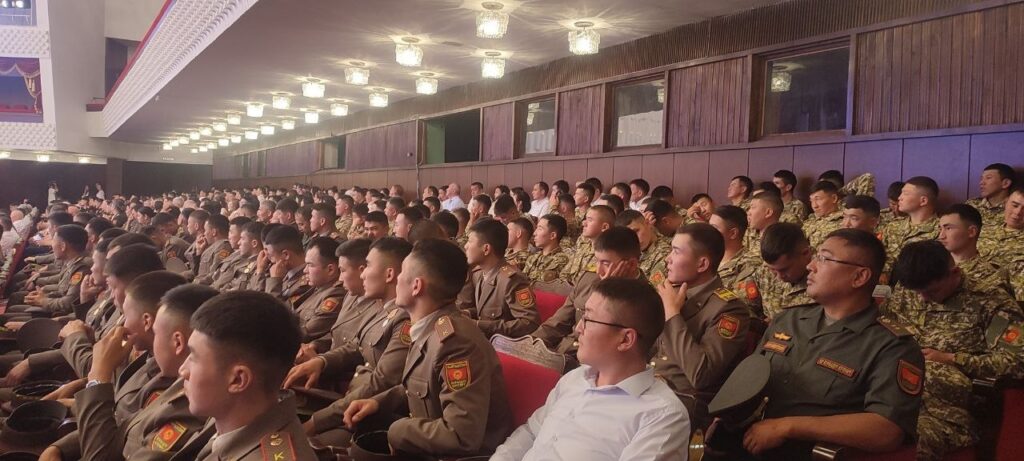
Kyrgyzstan’s armed forces have roughly doubled in size since 2018 amid a sharp increase in defense spending, military rearmament, and improved social benefits for service personnel, according to General Staff chief Tariel Otonbaev. On May 29, Kyrgyzstan marked the 34th anniversary of the establishment of its national armed forces. Speaking at the anniversary event, Chairman of the Cabinet of Ministers Adylbek Kasymaliev said the development of the country’s modern military had been shaped by the armed incursions in the Batken region in 1999-2000 and the border conflict with Tajikistan in 2022. In an interview with The Times of Central Asia, Otonbaev said today’s military differs significantly from the force that existed five or ten years ago. “Over the past five years, military funding has increased by 300%. Today, approximately 2% of the country’s GDP is allocated to defense. Most importantly, interest among young people in military service has grown,” he said. According to Otonbaev, some military units faced shortages of contract personnel of between 30% and 40% just a few years ago. Today, staffing levels among contract soldiers exceed 95%. Otonbaev also highlighted improvements in living conditions for military personnel. More than 900 service members are expected to receive housing this year, while others receive monthly government compensation for rental costs ranging from $170 to $205. Food standards have also improved, he said. The daily caloric intake provided to service members has increased from 1,800 to 4,800 calories, while the range of food products available has been expanded. “The state has begun fulfilling its social obligations. Arms procurement has become systematic, and today the military is fully supplied with the equipment and weapons it needs,” Otonbaev said. According to General Staff data, Kyrgyzstan’s armed forces now number approximately 23,000 personnel, compared with about 11,000 in 2018. In addition, roughly 300,000 citizens are registered as reservists. The country’s military budget has reached $654 million. Otonbaev said the armed forces are closely studying lessons from modern conflicts and adapting training programs to new forms of warfare. Specialized units within the military analyze emerging trends and oversee their incorporation into force development and training. Particular attention is being paid to unmanned systems. According to Otonbaev, modern warfare has been transformed by the widespread use of drones and artificial intelligence technologies. Kyrgyzstan acquired its first combat drones in late 2021, purchasing Turkish-made Bayraktar TB2 unmanned aerial vehicles. Since then, the country has purchased additional unmanned systems from other suppliers and has begun developing its own fixed-wing and rotary-wing military drones. The first domestically produced models were showcased during the Rubezh-2025 military exercises held by the Collective Security Treaty Organization, marking another step in the development of Kyrgyzstan’s domestic defense industry. The rapid expansion of the armed forces is part of Bishkek’s effort to build national defense capabilities following recent regional security challenges and adapt its military doctrine to the changing nature of modern warfare.