
• KGS/USD = 0.01144 0%
  • KZT/USD = 0.00204 0%
  • TJS/USD = 0.10394 -0.38%
  • UZS/USD = 0.00008 0%
  • TMT/USD = 0.28571 0%
  • KGS/USD = 0.01144 0%
  • KZT/USD = 0.00204 0%
  • TJS/USD = 0.10394 -0.38%
  • UZS/USD = 0.00008 0%
  • TMT/USD = 0.28571 0%
  • KGS/USD = 0.01144 0%
  • KZT/USD = 0.00204 0%
  • TJS/USD = 0.10394 -0.38%
  • UZS/USD = 0.00008 0%
  • TMT/USD = 0.28571 0%
  • KGS/USD = 0.01144 0%
  • KZT/USD = 0.00204 0%
  • TJS/USD = 0.10394 -0.38%
  • UZS/USD = 0.00008 0%
  • TMT/USD = 0.28571 0%
  • KGS/USD = 0.01144 0%
  • KZT/USD = 0.00204 0%
  • TJS/USD = 0.10394 -0.38%
  • UZS/USD = 0.00008 0%
  • TMT/USD = 0.28571 0%
  • KGS/USD = 0.01144 0%
  • KZT/USD = 0.00204 0%
  • TJS/USD = 0.10394 -0.38%
  • UZS/USD = 0.00008 0%
  • TMT/USD = 0.28571 0%
  • KGS/USD = 0.01144 0%
  • KZT/USD = 0.00204 0%
  • TJS/USD = 0.10394 -0.38%
  • UZS/USD = 0.00008 0%
  • TMT/USD = 0.28571 0%
  • KGS/USD = 0.01144 0%
  • KZT/USD = 0.00204 0%
  • TJS/USD = 0.10394 -0.38%
  • UZS/USD = 0.00008 0%
  • TMT/USD = 0.28571 0%

Viewing results 1 - 6 of 10

Kazakhstan Makes Its Biggest Bet on Geological Exploration in Decades

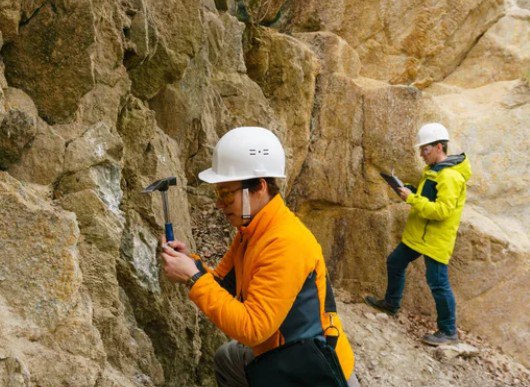
Kazakhstan is embarking on its most ambitious geological exploration program in over 15 years. Over the next three years, the government plans to invest more than $470 million in the study of mineral resources, a figure that surpasses the total investment in the sector over the previous decade and a half. According to the government, a central element of this strategy is the shift toward more detailed mapping of mineral resources, aligned with international standards. In 2025, new-generation geological survey projects were launched, covering an area of approximately 100,000 square kilometers. These territories will later be divided into the most promising sites for in-depth exploration and analysis. This initiative is not merely a budgetary expansion but a long-term effort to lay the foundation for Kazakhstan’s future resource base. Detailed mapping helps reduce geological uncertainty and significantly influences private investors’ readiness to commit to early-stage projects. The total funding, set at $470 million, will cover a range of activities, including geological surveys, seismic studies in underexplored sedimentary basins, and the development of modern geological infrastructure. For context, total investment in Kazakhstan’s geological exploration from 2010 to 2025 amounted to $469 million. The program incorporates remote sensing, aero geophysical and geochemical studies, and large-scale fieldwork. In identifying high-potential sites, authorities considered factors such as reserve depletion, low activity by current subsoil users, and the strategic value of specific minerals. The government has highlighted regions with strong potential for copper, gold, lead, zinc, rare earth elements, barite, and bauxite. A dedicated portion of the program will focus on seismic exploration in the largely understudied oil and gas basins in the north and south of the country. Plans also include modernizing laboratory and analytical capabilities and digitizing geological data. The shift to high-resolution mapping, already standard practice in countries such as Canada, Australia, and EU member states, is expected to improve forecasting accuracy and reduce investment risks. As previously reported by The Times of Central Asia, Kazakhstan has emerged as a global leader in proven reserves of rare earth metals, driving renewed interest from international companies in the country’s expanding geological exploration sector.
National Bank of Kyrgyzstan Reports Profit Surge in 2025

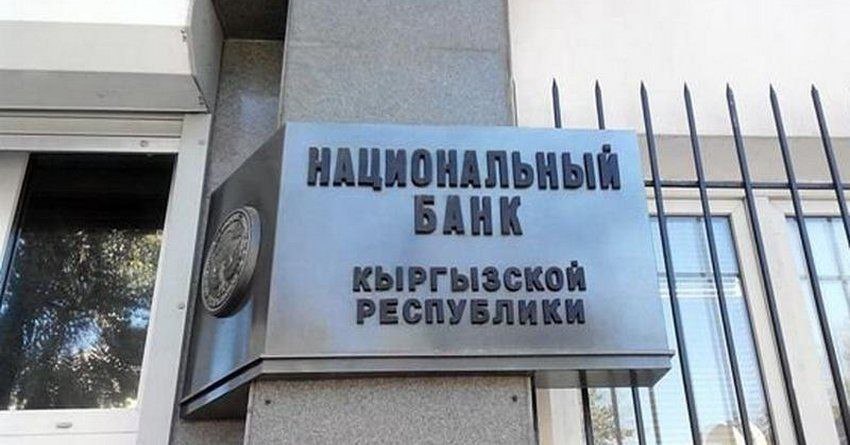
The National Bank of the Kyrgyz Republic (NBKR), the country’s central bank, reported a net profit of 33.2 billion soms (about $380.7 million) for the first nine months of 2025, nearly 13 times higher than in the same period last year. The sharp increase was driven by gains from monetary gold transactions, the revaluation of foreign currency reserves, and overall asset appreciation. According to the central bank, gold now accounts for around $5 billion of its total assets, a 2.5-fold rise from 2024. Gold holdings currently represent about half of the NBKR’s total assets. Officials attributed the growth to the bank’s risk-diversification strategy and higher global gold prices. The NBKR also reported a rise in household investment in government securities, reflecting stronger public confidence in domestic financial instruments. While the overall asset structure remains stable, several notable shifts have occurred. The volume of nonmonetary gold and bullion has declined to $1.1 billion, reflecting strong demand from the jewelry industry and increased gold exports. Gold continues to be a key contributor to Kyrgyzstan’s export portfolio. The commercial banking sector is also expanding. The total loan portfolio reached $2 billion, up from $1.5 billion a year earlier. As previously reported by The Times of Central Asia, Kyrgyzstan’s GDP grew by 11.5% in January–July 2025, supported by strong investment in finance, manufacturing, and construction. Construction firms have been borrowing more from local banks, which are expanding lending to meet rising demand from businesses.

Kazakhstan to Invest Up to $19 Billion in Oil Refining Development

Kazakhstan’s Ministry of Energy has unveiled an updated Concept for the Development of the Oil Refining Sector through 2040, aiming to raise the country’s refining capacity to 39 million tons per year. Achieving this goal will require investments ranging from $15 billion to $19 billion. As previously reported by The Times of Central Asia, an earlier version of the Concept targeted a doubling of refining volumes from 18 million tons to 38 million tons by 2040. The updated version, presented during the Kazakhstan Energy Week 2025 forum in Astana by Talgat Makuov, Deputy Director of the Department of Oil Transportation and Refining, slightly increases that target. “Expected investments in sector development, according to the Concept, range from $15 billion to $19 billion, enabling an increase in refining capacity from 18 to 39 million tons per year while significantly improving processing efficiency,” Makuov stated. He added that the document, aimed at enhancing Kazakhstan’s energy security, has been approved by the government and developed in coordination with state agencies and key players in the oil and gas sector. Expansion of Refineries and Petrochemical Complexes “The Concept envisions expanding existing refineries and constructing high-tech, integrated petrochemical complexes with flexible product lines driven by market demand. These facilities will become long-term, high-value assets, increasing the capitalization of managing companies and attracting investors. They will also serve as the foundation for petrochemical clusters,” Makuov said. Kazakhstan’s oil and gas chemistry sector is currently advancing in two main directions. The first is oil-based chemistry, such as benzene and paraxylene production at the Atyrau Oil Refinery (ANPZ), with potential for synthesizing more complex organic compounds. The second is gas-based chemistry, which includes the KPI polypropylene project, and planned projects for polyethylene and butadiene production. Efficiency, Environment, and Innovation “A key performance target of the Concept is improving the ratio of oil production to refining from 5:1 to 2.5:1, aligning with OECD benchmarks, supported by the introduction of new refining and petrochemical facilities,” Makuov explained. “Environmental standards and emission reductions are a priority, consistent with Kazakhstan’s decarbonization goals and green development agenda. Additionally, efforts are underway to establish applied research capabilities, including the creation of a dedicated R&D institute for oil refining and petrochemistry.” Makuov emphasized that implementation of the Concept will support the sustainable development of the sector by balancing economic, environmental, and social objectives. It is expected to ensure domestic supply of high-quality petroleum products, increase export potential, particularly to fast-growing Asian markets, create new jobs, and improve the country’s investment appeal. Earlier this year, Kazakhstan also announced a $15 billion investment in the oil and gas chemical sector through six major projects, aiming to transition from raw material exports to higher-value industrial production.  

Investment in Kyrgyzstan’s Economy Rises by 20 Percent

In the first eight months of 2025, several sectors of Kyrgyzstan’s economy experienced substantial growth, particularly in finance, manufacturing, hospitality, and food services. According to the National Statistical Committee of Kyrgyzstan, domestic investment surged most notably in the hospitality and food service sectors, which saw a 170 percent increase. The manufacturing sector reported a 110 percent rise, driven largely by state funding for new industrial facilities. Officials emphasized that the primary sources of investment were allocations from the state budget and enterprises’ internal funds. “The implementation of government investment programs is creating conditions for accelerating growth in sectors such as construction, transport, energy, and irrigation,” the Ministry of Finance of Kyrgyzstan stated. Foreign investment was concentrated in financial intermediation and insurance, particularly in Bishkek. Between January and July 2025, nearly $94 million was invested in this sector, an 80 percent increase. Finance and insurance accounted for 40 percent of all foreign investment received by Kyrgyzstan during this period. The Eurasian Development Bank (EDB) also released its analysis of investment trends in Kyrgyzstan. According to EDB analysts, the country achieved double-digit economic growth this year, largely due to increased investment in industry, transport, and construction. Kyrgyzstan’s GDP expanded by 11.5 percent between January and July 2025. “Investment growth is driven both by domestic resources and external financing, including foreign direct investment. This demonstrates the region’s strong adaptability to the new realities of the global economy,” said EDB Chief Economist Evgeny Vinokurov.
