• KGS/USD = 0.01144 0%
  • KZT/USD = 0.00212 0%
  • TJS/USD = 0.10549 -0.28%
  • UZS/USD = 0.00008 0%
  • TMT/USD = 0.28530 0%
  • KGS/USD = 0.01144 0%
  • KZT/USD = 0.00212 0%
  • TJS/USD = 0.10549 -0.28%
  • UZS/USD = 0.00008 0%
  • TMT/USD = 0.28530 0%
  • KGS/USD = 0.01144 0%
  • KZT/USD = 0.00212 0%
  • TJS/USD = 0.10549 -0.28%
  • UZS/USD = 0.00008 0%
  • TMT/USD = 0.28530 0%
  • KGS/USD = 0.01144 0%
  • KZT/USD = 0.00212 0%
  • TJS/USD = 0.10549 -0.28%
  • UZS/USD = 0.00008 0%
  • TMT/USD = 0.28530 0%
  • KGS/USD = 0.01144 0%
  • KZT/USD = 0.00212 0%
  • TJS/USD = 0.10549 -0.28%
  • UZS/USD = 0.00008 0%
  • TMT/USD = 0.28530 0%
  • KGS/USD = 0.01144 0%
  • KZT/USD = 0.00212 0%
  • TJS/USD = 0.10549 -0.28%
  • UZS/USD = 0.00008 0%
  • TMT/USD = 0.28530 0%
  • KGS/USD = 0.01144 0%
  • KZT/USD = 0.00212 0%
  • TJS/USD = 0.10549 -0.28%
  • UZS/USD = 0.00008 0%
  • TMT/USD = 0.28530 0%
  • KGS/USD = 0.01144 0%
  • KZT/USD = 0.00212 0%
  • TJS/USD = 0.10549 -0.28%
  • UZS/USD = 0.00008 0%
  • TMT/USD = 0.28530 0%

Viewing results 1 - 6 of 23

Six New Oil Fields Added to Kazakhstan’s Reserves

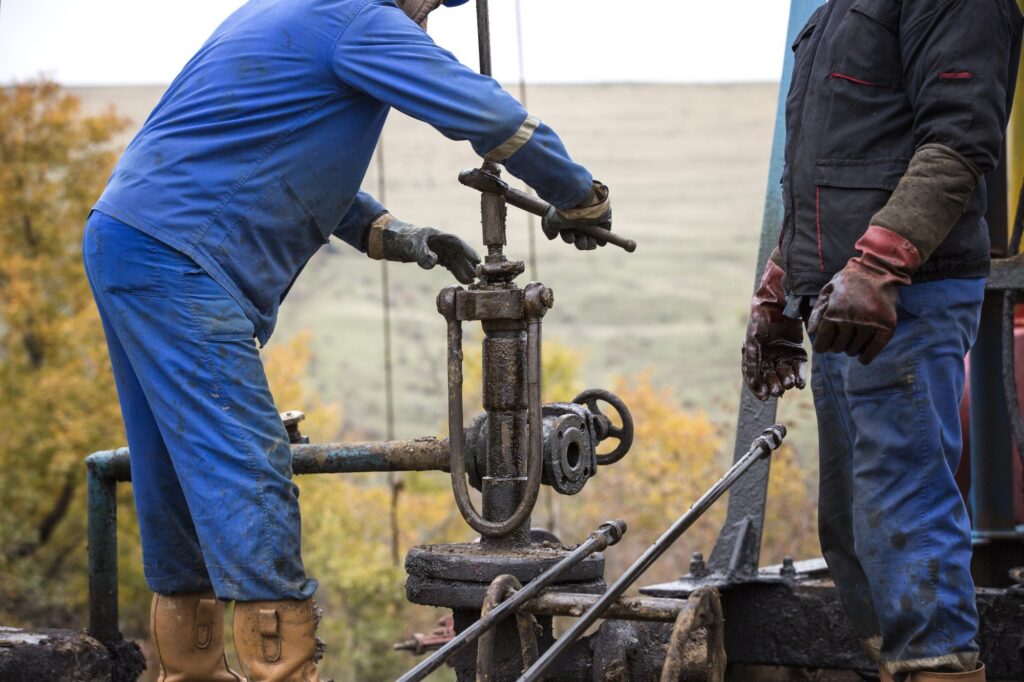
Six new oil fields in western Kazakhstan, with combined reserves exceeding 127 million tons, were added to the country’s national reserves in 2025, Vice Energy Minister Yerlan Akbarov has announced. “Production will be carried out primarily by local, small companies that discovered these fields,” Akbarov said in response to journalists’ questions. He added that Kazakhstan has 15 sedimentary basins with potential hydrocarbon resources; five are currently under development, while geological exploration is ongoing in the others. Earlier, at the Geoscience & Exploration Central Asia forum, Minister of Industry and Construction Yersayin Nagaspayev said that exploration aimed at discovering new oil and gas reserves is planned in the west, as well as in the southeast and north of the country. “Seismic exploration work is planned in the Shu-Sarysu and North Torgay sedimentary basins, which remain underexplored. The results are expected to provide a basis for more detailed prospecting and exploration,” Nagaspayev said. According to the minister, approximately 10,000 deposits are currently recorded in Kazakhstan, of which only 359 are hydrocarbon deposits. In addition, more than 1,000 solid mineral deposits, over 3,700 sites of common minerals, and around 4,900 groundwater sources have been added to the national balance sheet. At the same forum, Askhat Khasenov, Chairman of the Management Board of JSC National Company KazMunayGas (KMG), said the company’s remaining recoverable oil reserves amount to about 445 million tons, with more than 50% classified as hard to recover. He noted that KMG is implementing innovative technologies to bring these reserves into production. As part of this effort, the company has adopted a Technological Challenges Program focused on deploying advanced solutions. Under this program, an additional 434,000 tons of oil were produced in 2025. By 2040, the initiative is expected to generate a further 54 million tons of output, helping to sustain production and preserve jobs at mature fields around which local communities have developed over many years. As previously reported by The Times of Central Asia, Kazakhstan is launching its most ambitious geological exploration program in the past 15 years. Over the next three years, the government plans to invest more than $470 million in the study of mineral resources. A major hydrocarbon field has already been discovered in the Atyrau region, with reserves potentially comparable to those of Kashagan, the country’s largest oil field.

How Kazakhstan Is Seeking to Attract Global Capital to Critical Mineral Extraction

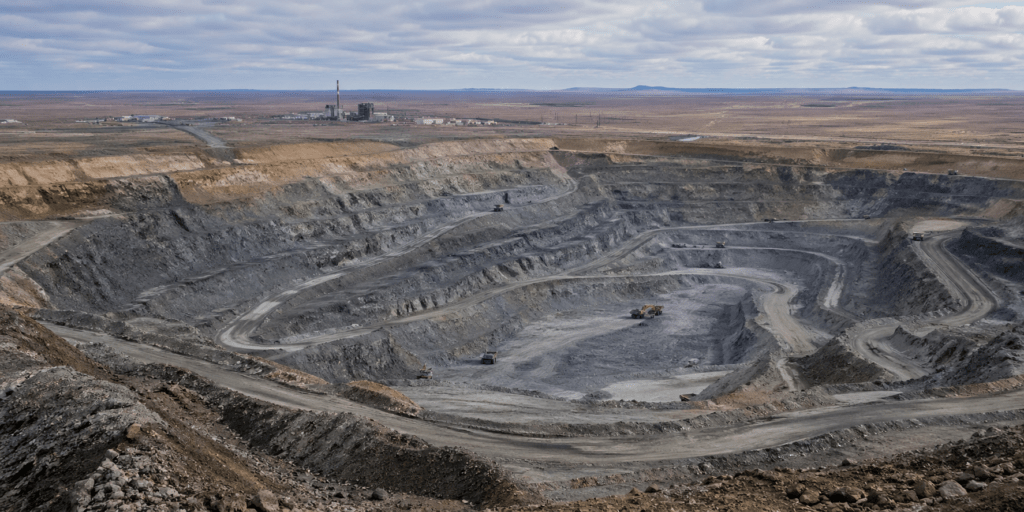
In March 2026, Kazakhstan moved into the spotlight of the global mining industry. Against the backdrop of an accelerating energy transition and a growing shortage of critical minerals, the government has launched a large-scale geological exploration program. Its strategic objective is to position the country as a key supplier of copper and rare earth elements (REEs) to global markets. For Western investors, this represents an important signal. A significant, relatively underexplored resource base is emerging, supported by regulatory reforms designed to facilitate access. The state assumes early-stage risks The new investment cycle was officially presented at PDAC 2026, one of the world’s largest mining conventions held in Toronto. Unlike previous initiatives that were largely declarative, Kazakhstan has backed its strategy with direct funding: approximately $81 million has been allocated from the state budget for geological exploration. The funds are intended to support a comprehensive assessment of mineral resources in 11 regions of the country. The central rationale is to lower entry barriers for private capital. The government is financing early-stage geological work, including mapping, airborne geophysical surveys, and preliminary resource evaluations. Investors are expected to receive access to “pre-qualified” sites with confirmed potential, an approach commonly used in established mining jurisdictions. This is particularly important because early exploration has historically been the riskiest and most capital-intensive phase of mining projects. The energy transition reshapes demand Growing interest from Western investors is driven by both domestic reforms and global market dynamics. Forecasts by the International Energy Agency indicate that demand for key minerals such as copper, lithium, and cobalt is likely to rise substantially by 2040. Existing mining and processing capacities may prove insufficient to meet projected needs. At the same time, geopolitical tensions are increasing. Processing of rare earth elements remains concentrated in a limited number of countries, making global supply chains vulnerable to disruption. In response, the United States and the European Union have introduced policies aimed at diversifying sources of critical raw materials. The EU’s Critical Raw Materials Act seeks to encourage investment in alternative supply chains. Against this backdrop, Kazakhstan, whose mineral exploration has historically focused on oil and uranium, is emerging as a potential contributor to global diversification efforts. Focus on junior mining companies and regulatory transparency One of the government’s key tools for attracting investment is the development of an ecosystem of junior mining companies specializing in early-stage exploration. Unlike large corporations, junior firms are often willing to assume the risks associated with drilling and initial geological assessments. If commercially viable deposits are identified, these companies typically sell their assets to strategic investors, helping to create a venture-capital-style market within the extractive sector. To support this model, Kazakhstan has reformed its Subsoil Code, introducing a “first come, first served” licensing principle. Digital platforms are now used to allocate exploration rights, reducing processing times and limiting opportunities for corruption. In effect, the country is adopting regulatory practices similar to those used in Australia, widely regarded as one of the world’s most investor-friendly mining jurisdictions. $1.1 billion project signals...

Kazakhstan Makes Its Biggest Bet on Geological Exploration in Decades

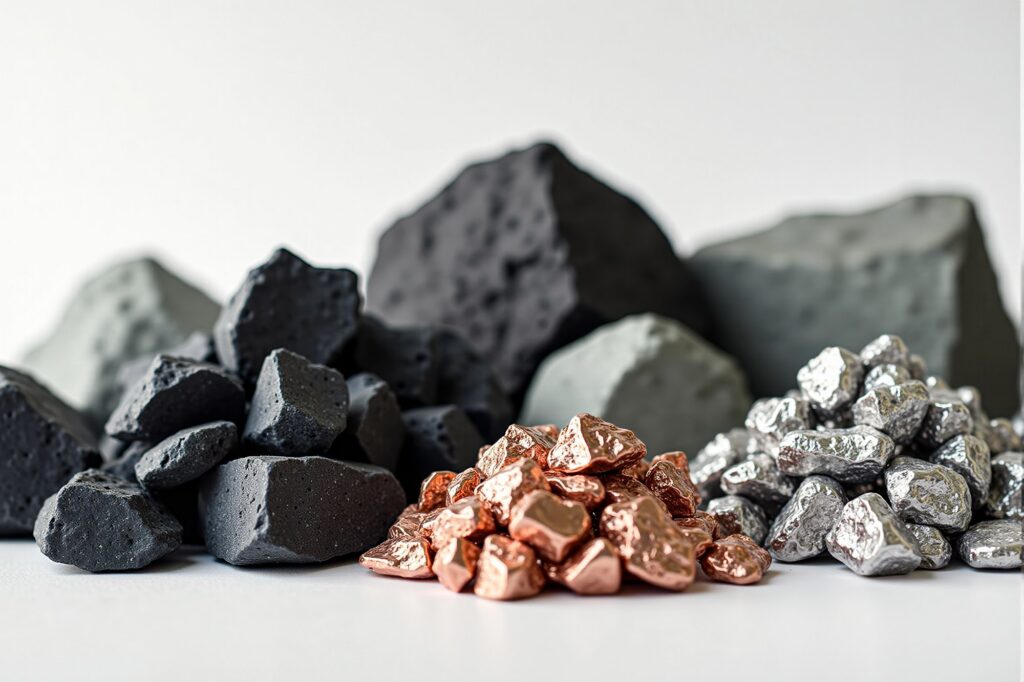
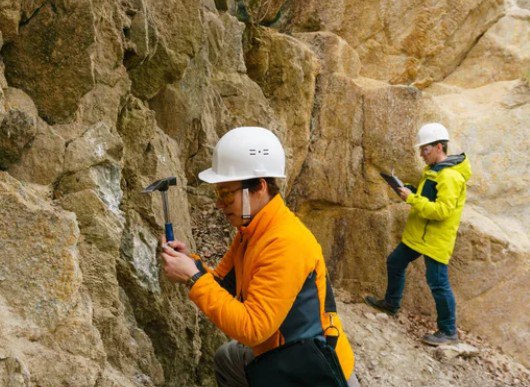
Kazakhstan is embarking on its most ambitious geological exploration program in over 15 years. Over the next three years, the government plans to invest more than $470 million in the study of mineral resources, a figure that surpasses the total investment in the sector over the previous decade and a half. According to the government, a central element of this strategy is the shift toward more detailed mapping of mineral resources, aligned with international standards. In 2025, new-generation geological survey projects were launched, covering an area of approximately 100,000 square kilometers. These territories will later be divided into the most promising sites for in-depth exploration and analysis. This initiative is not merely a budgetary expansion but a long-term effort to lay the foundation for Kazakhstan’s future resource base. Detailed mapping helps reduce geological uncertainty and significantly influences private investors’ readiness to commit to early-stage projects. The total funding, set at $470 million, will cover a range of activities, including geological surveys, seismic studies in underexplored sedimentary basins, and the development of modern geological infrastructure. For context, total investment in Kazakhstan’s geological exploration from 2010 to 2025 amounted to $469 million. The program incorporates remote sensing, aero geophysical and geochemical studies, and large-scale fieldwork. In identifying high-potential sites, authorities considered factors such as reserve depletion, low activity by current subsoil users, and the strategic value of specific minerals. The government has highlighted regions with strong potential for copper, gold, lead, zinc, rare earth elements, barite, and bauxite. A dedicated portion of the program will focus on seismic exploration in the largely understudied oil and gas basins in the north and south of the country. Plans also include modernizing laboratory and analytical capabilities and digitizing geological data. The shift to high-resolution mapping, already standard practice in countries such as Canada, Australia, and EU member states, is expected to improve forecasting accuracy and reduce investment risks. As previously reported by The Times of Central Asia, Kazakhstan has emerged as a global leader in proven reserves of rare earth metals, driving renewed interest from international companies in the country’s expanding geological exploration sector.

Kazakhstan’s New Subsoil Law Opens Underexplored Territories to Investors

Kazakhstan has introduced a new subsoil use law aimed at unlocking the potential of underexplored areas and attracting increased investment in the energy sector. According to the Ministry of Energy, the legislation establishes a special contract type for exploration and production in previously underexplored territories, offering significantly enhanced terms for investors. Under the new framework, companies that independently finance geological exploration will be granted priority rights for subsequent subsurface use. The Ministry expects this provision to dramatically boost geological activity and accelerate the discovery and development of new hydrocarbon reserves. The legislative amendments also streamline operational procedures. Subsoil users are now permitted to conduct additional exploration at depths beyond 5,000 meters under existing production contracts, without altering the surface boundaries. This change enables faster exploration of deep reserves while reducing bureaucratic delays. Officials say the updated legal framework is designed to improve Kazakhstan’s investment climate and provide new incentives for capital inflow into the extractive industries. According to The Times of Central Asia, investment in geological exploration exceeded $150 million in the first nine months of 2025, following $285 million in 2023 and $304 million in 2024. As of now, Kazakhstan has 324 active hydrocarbon subsoil use contracts, including 15 for exploration, 170 for combined exploration and production, 131 for production, and 8 production sharing agreements (PSAs), according to the Ministry of Energy.

Kazakhstan Opens World-Class Geological Cluster in Zhezkazgan

Kazakhstan has inaugurated its first integrated geological cluster, positioning the country as a regional hub for cutting-edge mineral exploration. The Kazakhmys Geological Cluster, launched on November 21 in Zhezkazgan, the center of the nation’s geological industry, is the first facility of its kind in both Kazakhstan and Central Asia. The cluster brings together all major geological exploration processes on a single site, supported by equipment found in only seven comparable centers globally. The new facility features a training center and a state-of-the-art laboratory complex, enabling rapid geological analysis. It also houses Kazakhstan’s largest core storage facility, which will serve as the national archive of primary geological data. Kazakhmys Corporation, one of the country’s leading mining companies, invested approximately 11 billion tenge into the project. “We are launching infrastructure that makes Kazakhstan’s geological sector more precise, faster, and technologically advanced. From primary data storage and laboratory research to digital analysis and professional training, everything is integrated into one platform. This new level will ensure the sustainable development of the country’s mineral resource base,” said Nurakhmet Nuriyev, Chairman of the Board of Kazakhmys Corporation, during the opening ceremony. The cluster is expected to advance the digitalization of Kazakhstan’s geological industry, enhance research capacity, and elevate the quality of mineral exploration nationwide. As part of a broader vision, a new higher education institution, Ulytau University, will be established on the cluster grounds. The university will be developed in partnership with the Colorado School of Mines, one of the world’s top mining institutions. It will train specialists in geology, mineral engineering, and related disciplines. A memorandum on the establishment of Ulytau University was signed between the Ministry of Science and Higher Education of Kazakhstan and Kazakhmys Corporation. The Colorado School of Mines is expected to open its first international campus at the new university in Zhezkazgan, offering instruction in English and launching four core bachelor’s programs: Mining; Geology and Geological Exploration; Geophysical Engineering; and Petroleum Engineering.

Kazakhstan Attracts Over $150 Million in Geological Exploration Investment in 2025

Investments in geological exploration in Kazakhstan surpassed $150 million during the first nine months of 2025, Deputy Minister of Energy Kayirkhan Tutkyshbaev announced at a recent government meeting. The exploration efforts led to the registration of five new deposits, boosting the country's proven reserves of gold, copper, manganese, and phosphorites. Tutkyshbaev noted that geological exploration projects attracted approximately $285 million in 2023 and $304 million in 2024. “By the end of this year, the volume of investment is expected to be no less than in previous years,” he stated. According to the Ministry of Energy, Kazakhstan currently has 324 active hydrocarbon subsoil use contracts: 15 for exploration, 170 for combined exploration and production, 131 for production, and 8 production sharing agreements (PSAs). Deputy Minister of Industry and Construction Iran Sharhan reported that five deposits, Kok-Zhon, Altyn-Shoko, Samombet, Student, and Takyr-Kaljir, have been newly registered. These discoveries have added an estimated 98 tons of gold, 36,000 tons of copper, 11 million tons of manganese, and 1.3 million tons of phosphorites to the country’s reserves. “To date, 2.1 million square kilometers have been explored, and by the end of the year, this figure will reach 2.3 million,” Sharhan said. He added that the next phase involves more detailed studies to identify promising areas earlier in the exploration process. From 2026 to 2028, the government plans to explore an additional 100,000 square kilometers, followed by 30,000 square kilometers annually. Next year, 44.4 billion tenge (approximately $84 million) is allocated for comprehensive geological and geophysical research, seismic exploration, and the development of industry infrastructure. Prime Minister Olzhas Bektenov has directed the construction of a modern geo-laboratory in Astana, scheduled to begin in 2026, to support mineral-geochemical and analytical research. He also ordered the establishment of a National Digital Geological Information Fund, which will consolidate more than 5 million pieces of primary geological data collected over the past 80 years. Currently, 83% of this archive, around 3.8 million records, has been digitized. The digitization rate is expected to reach 97.5% by the end of 2025, with full digital transition projected by the end of 2026. Separately, The Times of Central Asia recently reported that new geological surveys at Kuirektykol, the country’s largest, rare earth metal deposit located in the Karaganda region, have revealed significantly higher reserves than previously estimated.