
• KGS/USD = 0.01144 0%
  • KZT/USD = 0.00202 0%
  • TJS/USD = 0.10486 0.48%
  • UZS/USD = 0.00008 0%
  • TMT/USD = 0.28571 0%
  • KGS/USD = 0.01144 0%
  • KZT/USD = 0.00202 0%
  • TJS/USD = 0.10486 0.48%
  • UZS/USD = 0.00008 0%
  • TMT/USD = 0.28571 0%
  • KGS/USD = 0.01144 0%
  • KZT/USD = 0.00202 0%
  • TJS/USD = 0.10486 0.48%
  • UZS/USD = 0.00008 0%
  • TMT/USD = 0.28571 0%
  • KGS/USD = 0.01144 0%
  • KZT/USD = 0.00202 0%
  • TJS/USD = 0.10486 0.48%
  • UZS/USD = 0.00008 0%
  • TMT/USD = 0.28571 0%
  • KGS/USD = 0.01144 0%
  • KZT/USD = 0.00202 0%
  • TJS/USD = 0.10486 0.48%
  • UZS/USD = 0.00008 0%
  • TMT/USD = 0.28571 0%
  • KGS/USD = 0.01144 0%
  • KZT/USD = 0.00202 0%
  • TJS/USD = 0.10486 0.48%
  • UZS/USD = 0.00008 0%
  • TMT/USD = 0.28571 0%
  • KGS/USD = 0.01144 0%
  • KZT/USD = 0.00202 0%
  • TJS/USD = 0.10486 0.48%
  • UZS/USD = 0.00008 0%
  • TMT/USD = 0.28571 0%
  • KGS/USD = 0.01144 0%
  • KZT/USD = 0.00202 0%
  • TJS/USD = 0.10486 0.48%
  • UZS/USD = 0.00008 0%
  • TMT/USD = 0.28571 0%

Viewing results 1 - 6 of 7

Kyrgyzstan Suspends Private Driving Schools in Bid to Improve Road Safety

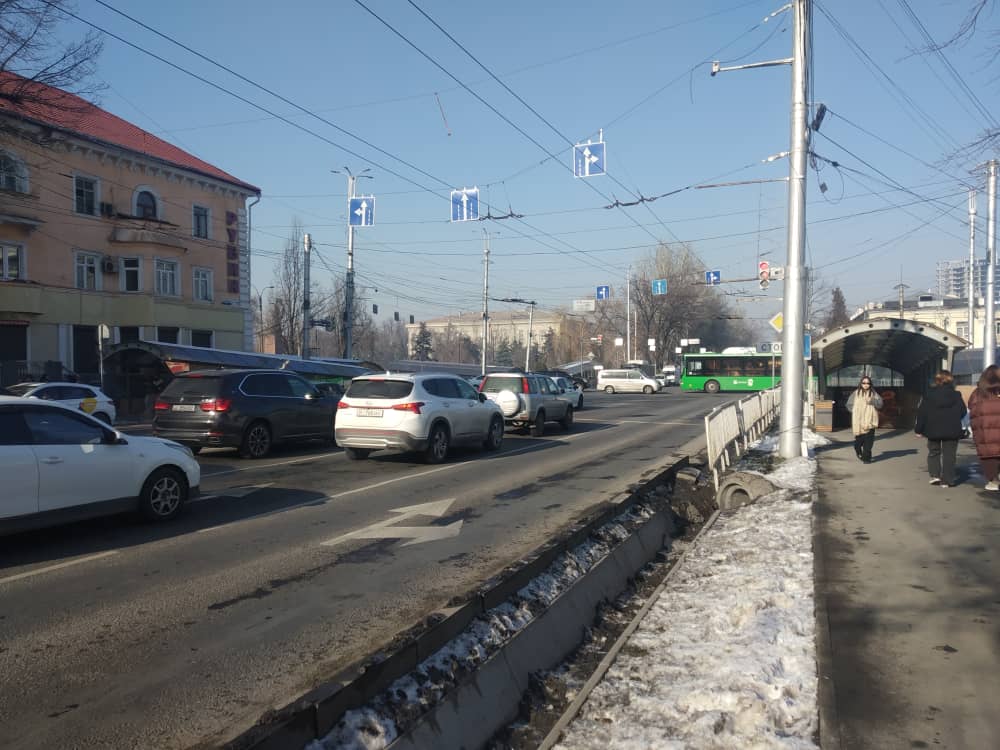
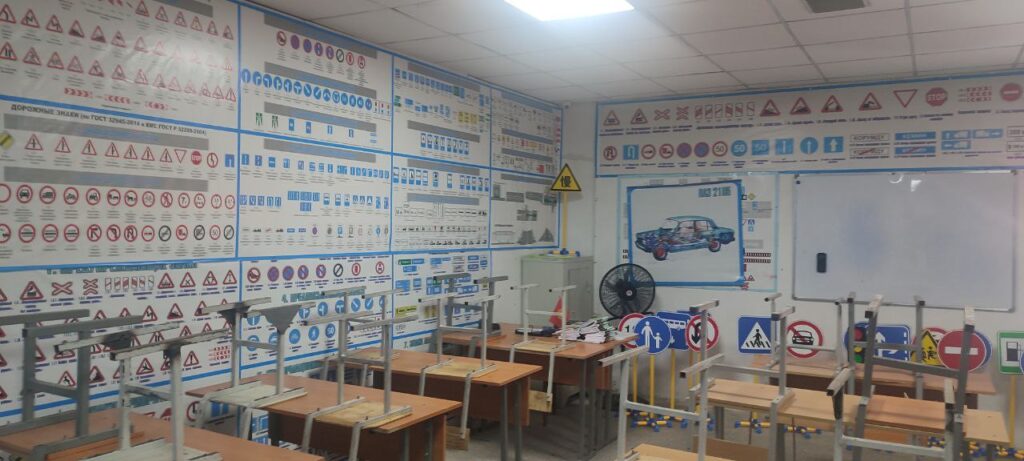
Kyrgyzstan has temporarily suspended the operations of all private driving schools as part of a sweeping reform aimed at improving driver education and road safety. On January 29, President Sadyr Japarov signed a decree introducing a trial period, effective until August 30, 2026, during which driver training will be conducted exclusively through state-run driving schools.  The reform also mandates a significant extension of the training period from the current 2.5 months to 10 months. Authorities say the new measures are designed to reduce traffic accidents and eliminate corruption in the issuance of driver's licenses. As of 2025, Kyrgyzstan had 340 driving schools, including 74 state-run institutions and 266 privately operated ones. Officials cite systemic issues in the private sector, including substandard instruction, widespread corruption, and the illegal sale of licenses. Daiyrbek Orunbekov, Head of the Information Policy Service under the Presidential Administration, addressed public concerns over the extended training period in a Facebook post on January 29.  He emphasized that the 10-month program is intended solely to improve driver competence and reduce accidents. “A driver who has acquired sufficient knowledge poses no danger to themselves, passengers, or other road users,” Orunbekov wrote. Under the new model, instruction will include both theoretical and practical training held two to three times per week, with each session lasting two to three hours. Some classes may be offered online. The curriculum will also cover psychological preparation and road ethics. In response to critics who argue that the current 2.5-month course is adequate, Orunbekov said that meaningful learning cannot occur in such a short timeframe. He cited international practices, noting that in many developed countries, driver training takes significantly longer. In Finland, the process can last up to a year and includes a probationary license period; in Germany, it ranges from six to twelve months; in Sweden and Norway, up to a year; and in the United Kingdom, Canada, the U.S., Australia, and New Zealand, it can take up to two years. The reform follows concerning national road safety data. In 2025 alone, Kyrgyzstan recorded 8,456 traffic accidents, resulting in 900 deaths and 12,169 injuries. Over the past decade, more than 75,000 accidents have claimed over 9,000 lives. According to Orunbekov, many current drivers lack even basic knowledge of traffic regulations and, in some cases, cannot recall where they were trained. He described this as a lingering consequence of a flawed and often corrupt driver education system.
Daines, Gor, Meredov Launch C5+1 Talks on Next-Gen U.S.–Central Asia Ties

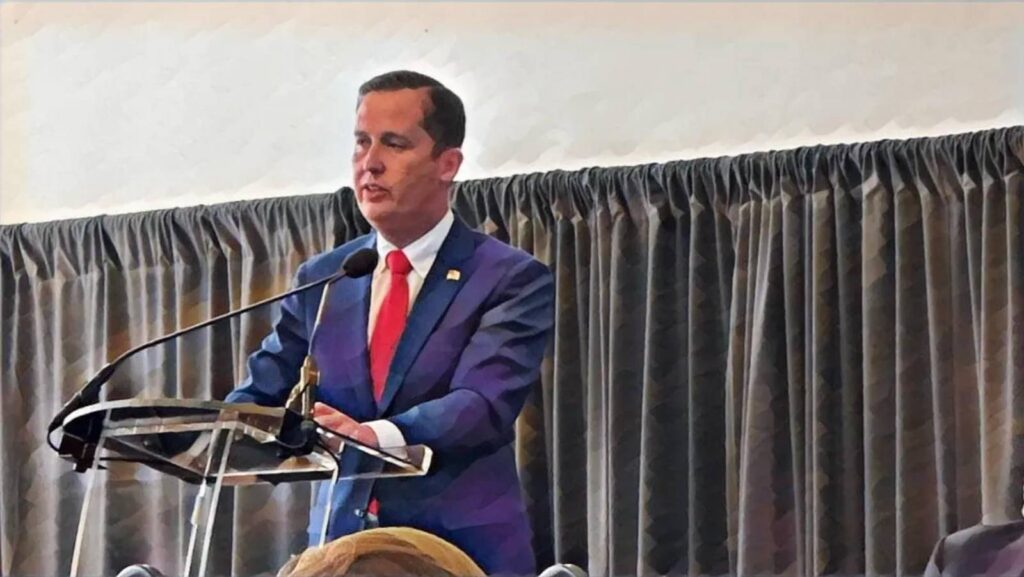
Washington, D.C. — The United States and the five nations of Central Asia – Kazakhstan, Kyrgyzstan, Tajikistan, Turkmenistan and Uzbekistan – marked a decade of partnership on Thursday with an opening panel at the C5+1 Tenth Anniversary Business Conference hosted by the U.S. Department of State. U.S. Senator Steve Daines (Montana), Sergio Gor, the newly appointed U.S. Special Envoy for South and Central Asia and Ambassador to India and Rashid Meredov, Turkmenistan’s Foreign Minister kicked things off with a bold forward-looking vision centered on deeper economic cooperation, net two-way investment flows, and a bolstered U.S. commitment to the region. Held at the Kennedy Center’s REACH campus, the session brought together senior U.S. officials, and Central Asian leaders and private sector companies to deepen a decade of growing cooperation, building on Trump’s transactional approach and first term achievements. Celebrating a Decade of Cooperation U.S. Senator Steve Daines, who moderated the session, not only praised the C5+1 platform’s record of achievements since 2015 but went further. He called the anniversary “a momentous occasion for our nations” to move forward in friendship and a sense of pragmatism, anchored in growing commerce, new investments, cultural exchange, and security cooperation. Daines emphasized that relations with the C5 countries are “vitally important for our national security and prosperity,” adding that the event aimed to pave the way for stronger, results-driven partnerships. Turning to the next speaker, Ambassador Sergio Gor, Daines offered unusually personal remarks, describing him as “truly one of the closest confidants of President Trump.” He noted that “Mr. Gor’s nomination demonstrates President Trump and his administration’s commitment to fostering closer ties between all of our nations.” Daines expressed eagerness to work with  “Sergio and the rest of President Trump’s team” to build upon the successes of previous US-Central Asian relations. U.S. Envoy Stresses Renewed Engagement In his address, Ambassador Sergio Gor,  underscored the administration’s renewed commitment to the region. He recounted that he and Deputy Secretary of State Christopher Landau had visited Kazakhstan and Uzbekistan just last week, praising the hospitality and partnership shown by both governments. Gor extended his appreciation to Kazakhstan, which he noted had “recently become a sponsor of the Kennedy Center,” and thanked Ambassador Richard Grenell for hosting the forum. Gor emphasized that “this President is making this partnership a top priority,” adding that the focus on the five Central Asian nations “is something that has been ignored in past administrations.” According to Gor, President Trump “has made a commitment and has instructed every individual here within the U.S. government to make sure [Central Asia] gets the priority that it deserves.” He emphasized the need to ramp up energy cooperation, open new trade avenues, and secure supply chains for critical minerals. “We are committed to further developing Central Asia’s vast mineral wealth and advancing critical-mineral security,” Gor underscoring C5+1’s shift from dialogue to deliverables and mutual cooperation. He also previewed the White House leaders’ meeting and dinner scheduled for later in the day, noting that several “historic deals” in commerce...

Kyrgyzstan to Nationalize Driving Schools and Reform Driver Training

Kyrgyzstan has announced sweeping reforms to its driver training system, set to take effect at the beginning of 2026. All private driving schools will be brought under state control, and the duration of driver training will be extended from three months to fourteen. The reform was presented at a press conference in Bishkek by Kanybek Tumanbaev, Chief of Staff to the President. He stated that the initiative aims to improve road safety and curb corruption in the issuance of driver’s licenses. “There are too many traffic accidents in Kyrgyzstan today. Young people admit to purchasing driver’s licenses through private driving schools, where practical training often lasts just two or three hours,” Tumanbaev said. Under the new system, practical instruction will take place across different seasons, including both summer and winter driving conditions. The curriculum will also include courses on vehicle maintenance and driving etiquette. All exams will be administered under state supervision to prevent bribery and ensure consistent standards. Private driving instructors will not lose their jobs; instead, they will be integrated into the new state-run driving schools. The cost of training for citizens is expected to remain unchanged. Authorities also plan to introduce a partially online format for theoretical classes. As part of the reform, Kyrgyzstan will abolish indefinite driver’s licenses. Beginning in 2026, all newly issued licenses will be valid for 10 years, aligning with international standards. Citizens holding permanent licenses will be required to exchange them for the new format starting in January 2026. The replacement process will be free of charge and will not require retesting. The reforms are a response to persistently high accident rates and what officials describe as inadequate driver education. In 2024, Kyrgyzstan recorded 7,423 traffic accidents resulting in 514 deaths. In the first nine months of 2025, that figure rose to 9,078 accidents with 636 fatalities.
