
• KGS/USD = 0.01144 0%
  • KZT/USD = 0.00201 0%
  • TJS/USD = 0.10448 -0.19%
  • UZS/USD = 0.00008 0%
  • TMT/USD = 0.28490 0%
  • KGS/USD = 0.01144 0%
  • KZT/USD = 0.00201 0%
  • TJS/USD = 0.10448 -0.19%
  • UZS/USD = 0.00008 0%
  • TMT/USD = 0.28490 0%
  • KGS/USD = 0.01144 0%
  • KZT/USD = 0.00201 0%
  • TJS/USD = 0.10448 -0.19%
  • UZS/USD = 0.00008 0%
  • TMT/USD = 0.28490 0%
  • KGS/USD = 0.01144 0%
  • KZT/USD = 0.00201 0%
  • TJS/USD = 0.10448 -0.19%
  • UZS/USD = 0.00008 0%
  • TMT/USD = 0.28490 0%
  • KGS/USD = 0.01144 0%
  • KZT/USD = 0.00201 0%
  • TJS/USD = 0.10448 -0.19%
  • UZS/USD = 0.00008 0%
  • TMT/USD = 0.28490 0%
  • KGS/USD = 0.01144 0%
  • KZT/USD = 0.00201 0%
  • TJS/USD = 0.10448 -0.19%
  • UZS/USD = 0.00008 0%
  • TMT/USD = 0.28490 0%
  • KGS/USD = 0.01144 0%
  • KZT/USD = 0.00201 0%
  • TJS/USD = 0.10448 -0.19%
  • UZS/USD = 0.00008 0%
  • TMT/USD = 0.28490 0%
  • KGS/USD = 0.01144 0%
  • KZT/USD = 0.00201 0%
  • TJS/USD = 0.10448 -0.19%
  • UZS/USD = 0.00008 0%
  • TMT/USD = 0.28490 0%

Viewing results 1 - 6 of 14

Kazakhstan Under Pressure to Address Environmental Crisis

The United Nations Green Climate Fund (GCF) has pledged $280 million to Kazakhstan for environmental projects, underscoring the country's increasingly urgent ecological challenges. Experts warn that Kazakhstan faces a widening crisis as environmental degradation accelerates. Toward a “Green” Transition Minister of Ecology and Natural Resources Yerlan Nyssanbayev announced that the GCF will allocate substantial funding to Kazakhstan to support initiatives in renewable energy, electric transport development, and the adoption of low-carbon industrial technologies. “These investments will accelerate the country's transition to a sustainable, environmentally friendly economy,” Nyssanbayev stated. The minister said that Kazakhstan prepared a national program for GCF funding in 2024, comprising seven major initiatives. These included reducing greenhouse gas emissions in the energy sector, strengthening rural water supply systems, modernizing livestock farms, and promoting private-sector green financing. The program's total budget exceeds $1 billion, with $630 million potentially financed by the GCF. Additionally, the European Bank for Reconstruction and Development (EBRD) continues to back renewable energy projects in Kazakhstan. Eleven projects with a combined capacity of 330 MW are planned by 2027; nine have already secured financing. A Mounting Environmental Toll Kazakhstan continues to struggle with serious environmental challenges, many rooted in the Soviet-era legacy, and others emerging from modern development pressures. The country faces desertification, flooding, frequent wildfires, and escalating urban air pollution, particularly in cities like Almaty, Pavlodar, and Karaganda. On June 5, the government announced the formation of a Biodiversity Protection Fund at a forum in Astana. Akylbek Kurishbayev, President of the National Academy of Sciences, emphasized the urgency of regional collaboration in biodiversity conservation amid intensifying climate and anthropogenic pressures. Deputy Minister Nurlan Kurmalayev highlighted biodiversity preservation as a key component of environmental security and sustainable land use, calling for cross-border cooperation. In parallel, the national initiative “Green Kazakhstan” is advancing afforestation efforts across urban and rural areas, alongside waste management programs, ecosystem restoration, energy efficiency campaigns, and public education on environmental stewardship. Environmental Disaster Zones: The Caspian and Aral Seas Two of Kazakhstan's most pressing ecological crises involve the shrinking Caspian and Aral Seas. The Caspian Sea's water levels are falling dramatically. According to the Ministry of Ecology and Natural Resources, levels in 2024 are expected to drop by 22 cm in the northeast and 29 cm in the eastern Kazakh sector compared to 2023. Scientists warn of continued decline due to reduced inflows from the Volga and Ural rivers and rising global temperatures. TCA has previously reported about mass die-outs of Caspian seals in recent years. Vadim Ni, founder of the Save the Caspian Sea movement, described the crisis as triple-faceted, climate, ecological, and economic. “Its level is falling at an unprecedented rate, 2 meters over the past 20 years. By century’s end, up to one-third of its surface could be lost,” he said, warning that the shallow northern shelf, vital to the ecosystem, is especially at risk. Pollution, overfishing, and unchecked oil extraction are cited as critical threats. In April 2025, Mazhilis Deputy Sergei Ponomarev addressed a parliamentary inquiry to Prime...

Caspian Sturgeon Population Declines 90% Amid Ecological Crisis

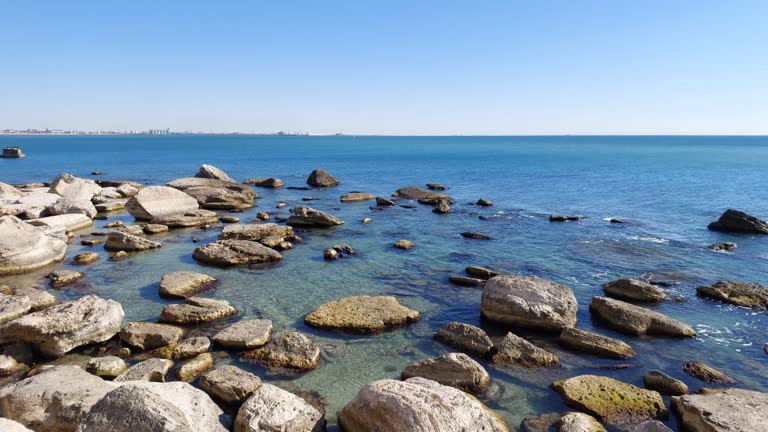
The sturgeon population in the Caspian Sea has plummeted by 90% over the past four decades, according to Sergei Ponomarev, a deputy of Kazakhstan’s Mazhilis (lower house of parliament). Speaking during a recent meeting of the Mazhilis Committee on Ecology, Ponomarev cited both the sea’s progressive shallowing and escalating environmental degradation caused by human activity as key contributors to the decline. He emphasized that oil production and significant volumes of untreated domestic and industrial waste are the primary sources of pollution in the Caspian Sea. “Oil extraction suppresses the development of phytobenthos and phytoplankton, while sewage discharges have transformed the sea into a reservoir of infectious diseases. Biodiversity is in severe crisis,” he said. The deteriorating water quality has also weakened the immune systems of marine species, leading to reduced disease resistance. As a result, the population of Caspian seals has dropped from one million to just 100,000, and sturgeon numbers have seen a dramatic 90% reduction, primarily due to reproductive disruptions at spawning sites. Ponomarev warned of broader public health consequences in Kazakhstan’s Atyrau and Mangistau regions, including declining life expectancy and increasing cancer rates. He forecasted that by 2040, up to five million residents could become “ecological migrants” if conditions continue to worsen. “The Caspian Sea Institute has been created, but it remains non-functional. We are losing invaluable time,” he said, urging the government to adopt a science-based approach to ecological monitoring and recovery efforts. Kazakhstan approved the establishment of the Caspian Sea Institute in November 2023 to study and address the environmental degradation of the sea, including declining water levels and mass die-offs of marine life. However, Vice Minister of Ecology and Natural Resources Mansur Oshurbaev reported that funding remains unresolved. The ministry has requested KZT 1.8 billion ($3.4 million) from the government’s reserve for 2025 to operationalize the institute, which will be based in Aktau with a staff of 91. Oshurbaev also highlighted efforts to develop an environmental sensitivity map for Kazakhstan’s Caspian coastline, aimed at preventing oil spills and aiding biodiversity conservation. Kazakh scientists predict a consistent decline in the sea level, which could reach minus 33 meters by 2050, a scenario they warn would be catastrophic for the ecosystem. As previously reported by The Times of Central Asia, according to the global movement, Save the Caspian Sea, the water level has already dropped by two meters over the past 18 years. If this trend continues, the sea could shrink by another 18 meters by the end of the century, risking an ecological disaster comparable to the collapse of the Aral Sea.