• KGS/USD = 0.01144 0%
  • KZT/USD = 0.00213 0%
  • TJS/USD = 0.10836 0.28%
  • UZS/USD = 0.00008 0%
  • TMT/USD = 0.28490 -0.28%
  • KGS/USD = 0.01144 0%
  • KZT/USD = 0.00213 0%
  • TJS/USD = 0.10836 0.28%
  • UZS/USD = 0.00008 0%
  • TMT/USD = 0.28490 -0.28%
  • KGS/USD = 0.01144 0%
  • KZT/USD = 0.00213 0%
  • TJS/USD = 0.10836 0.28%
  • UZS/USD = 0.00008 0%
  • TMT/USD = 0.28490 -0.28%
  • KGS/USD = 0.01144 0%
  • KZT/USD = 0.00213 0%
  • TJS/USD = 0.10836 0.28%
  • UZS/USD = 0.00008 0%
  • TMT/USD = 0.28490 -0.28%
  • KGS/USD = 0.01144 0%
  • KZT/USD = 0.00213 0%
  • TJS/USD = 0.10836 0.28%
  • UZS/USD = 0.00008 0%
  • TMT/USD = 0.28490 -0.28%
  • KGS/USD = 0.01144 0%
  • KZT/USD = 0.00213 0%
  • TJS/USD = 0.10836 0.28%
  • UZS/USD = 0.00008 0%
  • TMT/USD = 0.28490 -0.28%
  • KGS/USD = 0.01144 0%
  • KZT/USD = 0.00213 0%
  • TJS/USD = 0.10836 0.28%
  • UZS/USD = 0.00008 0%
  • TMT/USD = 0.28490 -0.28%
  • KGS/USD = 0.01144 0%
  • KZT/USD = 0.00213 0%
  • TJS/USD = 0.10836 0.28%
  • UZS/USD = 0.00008 0%
  • TMT/USD = 0.28490 -0.28%

Viewing results 1 - 6 of 2

Uzbekistan Braces for Extreme Heat as Temperatures Could Reach 46°C

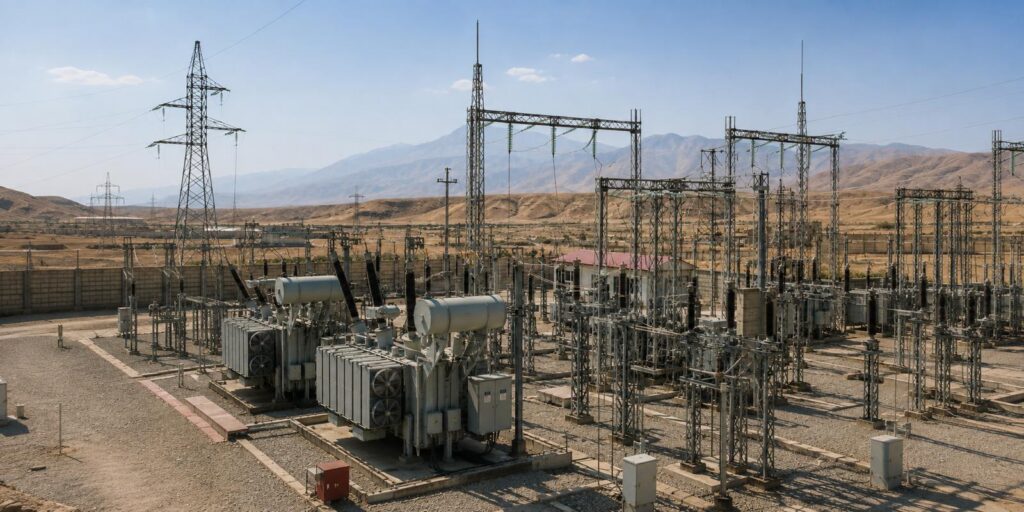
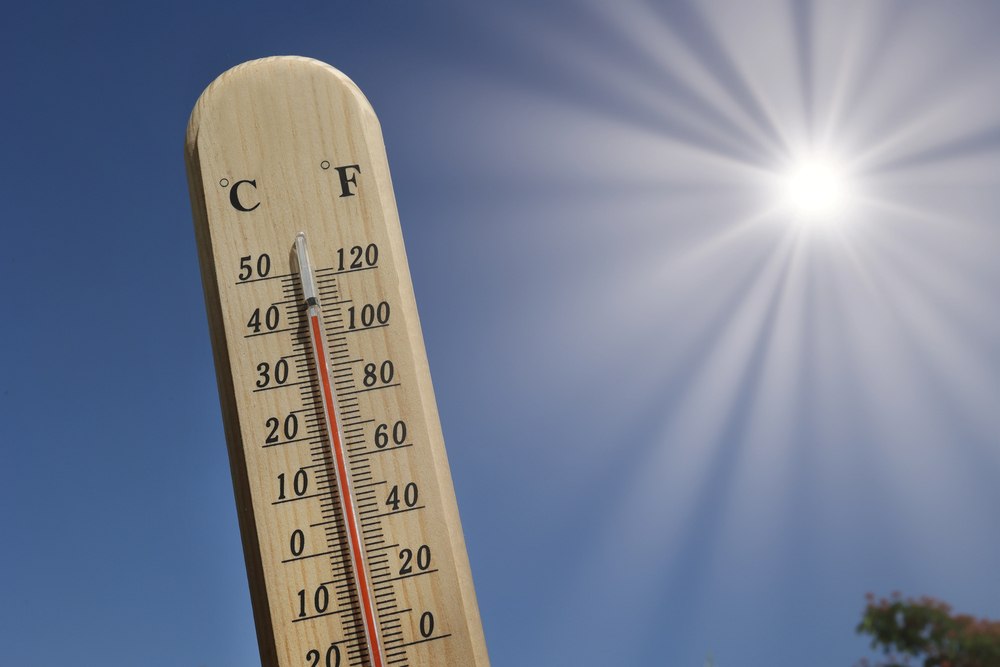
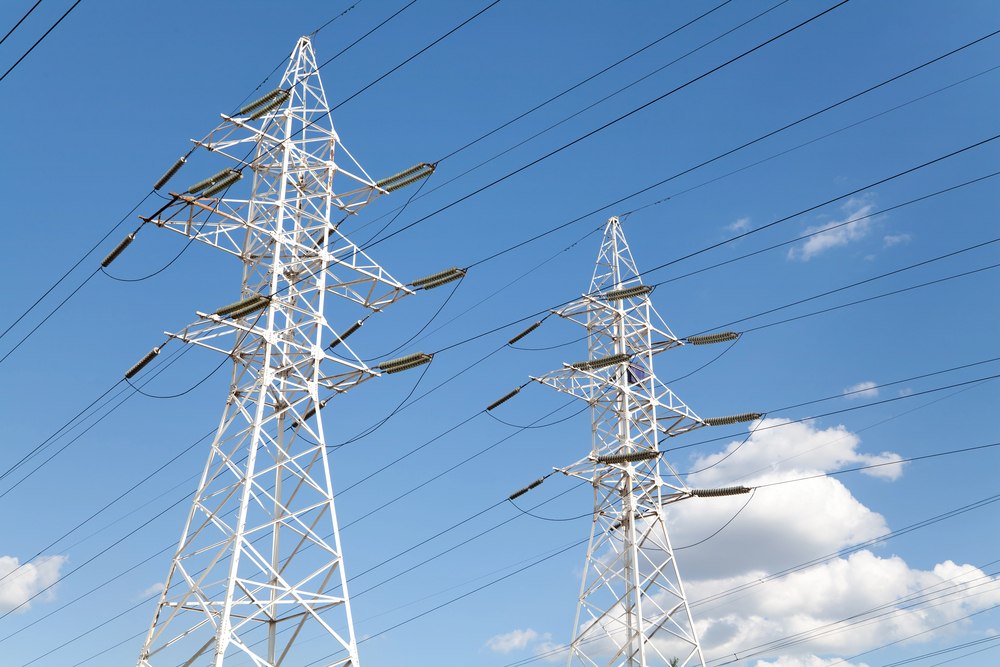
Uzbekistan is preparing for extreme heat after the national weather agency warned that temperatures across much of the country could reach dangerous levels this week. Authorities have stepped up emergency measures and urged residents to take precautions. According to Uzhydromet, very hot air masses moving north from the south are expected to affect the country between July 13 and July 17. During the hottest days, daytime temperatures are forecast to reach 41-43°C across most regions, while northern, southern, and desert areas could see temperatures as high as 44-46°C. The weather agency also warned that wind speeds could increase to 13-18 meters per second in some areas, with possible dust storms. The expected heatwave is likely to put additional pressure on Uzbekistan’s electricity network. Citing the regional power distribution company Hududiy Elektr Tarmoqlari, or Regional Electric Networks, local news outlet Daryo reported that electricity demand typically rises during periods of extreme heat as households and businesses rely more heavily on cooling systems. Higher temperatures can also reduce the efficiency of transmission lines and transformers, increasing the risk of technical failures. The company said it has introduced a range of measures to maintain a stable electricity supply and respond quickly to any emergencies. More than 6,500 employees have been assigned to 1,203 emergency response teams operating around the clock across the country. Each team has been equipped with specialized vehicles and equipment, while additional repair materials and spare parts have been stockpiled to deal with possible breakdowns during the summer season. Hududiy Elektr Tarmoqlari said ensuring uninterrupted electricity supplies during peak demand remains one of its top priorities. The company appealed to consumers to use electricity responsibly in order to reduce unnecessary strain on the power system. Emergency authorities have also stepped up public safety efforts. Employees of the Ministry of Emergency Situations have been seen on the streets of Tashkent reminding residents to avoid going outside during the hottest part of the day unless absolutely necessary. The ministry issued a separate warning about the dangers of leaving vehicles in direct sunlight. It said temperatures inside a parked car can rise to between 50°C and 70°C within 50 to 60 minutes, creating life-threatening conditions. “Just one minute of carelessness can lead to irreversible consequences,” the ministry warned. Officials urged drivers never to leave children or other passengers inside parked vehicles, even for a short time, and encouraged the public to take extra precautions to protect themselves, their families, and those around them during the period of extreme heat. The latest forecasts suggest that Uzbekistan will remain under the influence of the hot air mass for several days, with authorities continuing to monitor weather conditions and the country’s energy infrastructure as temperatures approach some of the highest levels recorded this summer.

Central Asia’s Renewable Energy Boom Faces Growing Grid Challenges

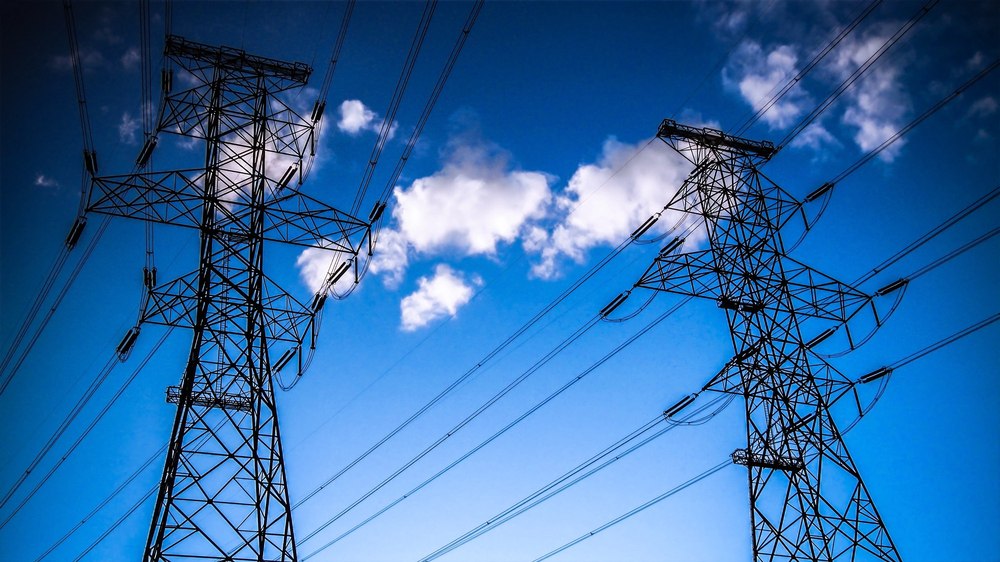
Central Asia is rapidly expanding its renewable energy sector, with solar power emerging as one of the key drivers of the region’s energy transition. However, a new report by the Eurasian Development Bank (EDB) warns that accelerated deployment of renewable energy, without matching investment in grid infrastructure, reserve capacity, storage systems, and market reforms, could increase systemic risks and raise overall electricity costs. The warning comes as electricity demand across Central Asia continues to grow steadily. The region’s population now exceeds 80 million, and power consumption is rising by 3% to 6% annually. According to the EDB, electricity demand could increase by nearly 40% by 2030, reaching 370 billion kilowatt-hours annually, up from approximately 270 billion kilowatt-hours today. Governments across the region have announced ambitious renewable energy targets for the coming decade. Uzbekistan plans to install more than 25 gigawatts of renewable energy capacity by 2030, including solar and wind generation. Kazakhstan aims to commission 8.4 gigawatts of renewable energy by 2035, while Kyrgyzstan plans to add 3.65 gigawatts of solar capacity and 400 megawatts of wind power over the same period. Tajikistan is targeting 2 gigawatts of solar and wind generation by 2030, while Turkmenistan has announced plans for 300 megawatts of solar power capacity. Yet the region’s transition toward cleaner energy sources presents a growing challenge: electricity demand is increasing faster than power systems are adapting to accommodate large volumes of variable renewable generation. Solar energy production peaks during daylight hours, creating fluctuations that conventional power systems must manage. In the morning, before solar panels begin generating at full capacity, electricity demand is largely met by hydropower plants and thermal generation fueled by coal or natural gas. As solar output rises during the day, conventional plants must reduce generation or temporarily shut down. After sunset, when electricity consumption remains high but solar production falls to zero, conventional generators must rapidly increase output to stabilize the system. These abrupt shifts create operational challenges and increase costs for grid operators. According to the EDB’s report, Power Sector of Central Asia: Modernization and Energy Transition, the main obstacles to integrating renewable energy are technical and institutional, not simply financial. If sudden drops in solar or wind generation caused by weather changes are not immediately offset, power systems risk instability and, in extreme cases, blackouts. As renewable capacity expands, grids require more flexible generation, larger reserve margins, energy storage systems, and more sophisticated operational management tools. The report notes that renewable generation is being introduced faster than supporting infrastructure can be developed. In many countries, transmission networks were not designed to accommodate a high share of variable energy sources. Weather forecasting systems also remain insufficiently accurate to support reliable real-time balancing of renewable output. Market reforms have lagged as well. Capacity markets, reserve markets, and tariff systems in several Central Asian countries have yet to evolve in ways that encourage investment in flexible backup generation and storage technologies. As a result, the report argues, the real system-wide cost of renewable energy may...