

• KGS/USD = 0.01144 0%
  • KZT/USD = 0.00198 -0%
  • TJS/USD = 0.10903 0.18%
  • UZS/USD = 0.00008 -0%
  • TMT/USD = 0.28490 -0.28%
  • KGS/USD = 0.01144 0%
  • KZT/USD = 0.00198 -0%
  • TJS/USD = 0.10903 0.18%
  • UZS/USD = 0.00008 -0%
  • TMT/USD = 0.28490 -0.28%
  • KGS/USD = 0.01144 0%
  • KZT/USD = 0.00198 -0%
  • TJS/USD = 0.10903 0.18%
  • UZS/USD = 0.00008 -0%
  • TMT/USD = 0.28490 -0.28%
  • KGS/USD = 0.01144 0%
  • KZT/USD = 0.00198 -0%
  • TJS/USD = 0.10903 0.18%
  • UZS/USD = 0.00008 -0%
  • TMT/USD = 0.28490 -0.28%
  • KGS/USD = 0.01144 0%
  • KZT/USD = 0.00198 -0%
  • TJS/USD = 0.10903 0.18%
  • UZS/USD = 0.00008 -0%
  • TMT/USD = 0.28490 -0.28%
  • KGS/USD = 0.01144 0%
  • KZT/USD = 0.00198 -0%
  • TJS/USD = 0.10903 0.18%
  • UZS/USD = 0.00008 -0%
  • TMT/USD = 0.28490 -0.28%
  • KGS/USD = 0.01144 0%
  • KZT/USD = 0.00198 -0%
  • TJS/USD = 0.10903 0.18%
  • UZS/USD = 0.00008 -0%
  • TMT/USD = 0.28490 -0.28%
  • KGS/USD = 0.01144 0%
  • KZT/USD = 0.00198 -0%
  • TJS/USD = 0.10903 0.18%
  • UZS/USD = 0.00008 -0%
  • TMT/USD = 0.28490 -0.28%
06 December 2025

Viewing results 1 - 6 of 4

Kazakhstan Faces Deepening Medical Personnel Shortage Amid Rising Emigration

Kazakhstan continues to grapple with a severe shortage of medical personnel, a crisis intensified by the steady emigration of specialists. According to First Deputy Minister of Health Timur Sultangaziev, there are currently around 9,000 unfilled positions across the country, approximately 4,000 for doctors and over 5,000 for mid-level healthcare workers. Speaking during a session of the Mazhilis, Kazakhstan’s lower house of parliament, Sultangaziev reported that roughly 2,500 medical professionals have left the country over the past five years. “There is an outflow of medical personnel from the healthcare system to foreign countries,” he said. Sultangaziev cited inadequate compensation as the primary factor driving this exodus. In response, the government has allocated an additional $9.6 million this year to raise salaries for public emergency medical service employees. The Health Ministry is currently evaluating a further salary increase estimated at $19.2 million, though a final decision has yet to be made. The parliamentary session also focused on proposed legislation to increase penalties for violence against medical workers. MP Askhat Aimagambetov noted that 280 such incidents have been officially recorded in the past five years, but suggested the real number is much higher. Many medical professionals reportedly choose not to report assaults, fearing retaliation or loss of work hours. The draft bill includes a new article in the Criminal Code, introducing special legal status for “medical workers” and “ambulance drivers", and stipulating harsher penalties for violent offenses. Aimagambetov compared the proposed sanctions to those for attacks on gamekeepers, which carry a maximum sentence of 12 years’ imprisonment. “If a hooligan breaks the finger of an ordinary citizen, it’s moderate harm. If he breaks a surgeon’s finger, it’s a disaster. Thousands of operations may be cancelled because of one broken finger,” Aimagambetov said, emphasizing the vulnerability of ambulance staff, who must respond to emergency calls without regard to risk. The final version of the bill outlines penalties including fines, correctional or community service, or up to three years’ restriction or deprivation of liberty for non-life-threatening violence. In cases involving aggravating circumstances, the punishment increases to 3-7 years. Life-threatening or severe injuries could result in 5-10 years’ imprisonment, or 7-12 years under aggravating conditions. As previously reported by The Times of Central Asia, Kazakhstan has already begun implementing additional protective measures for medical personnel. In the summer, authorities announced plans to equip ambulance staff with body cameras in response to the rising number of assaults on healthcare workers.

Emigration from Kazakhstan Drops to Lowest Level in a Decade

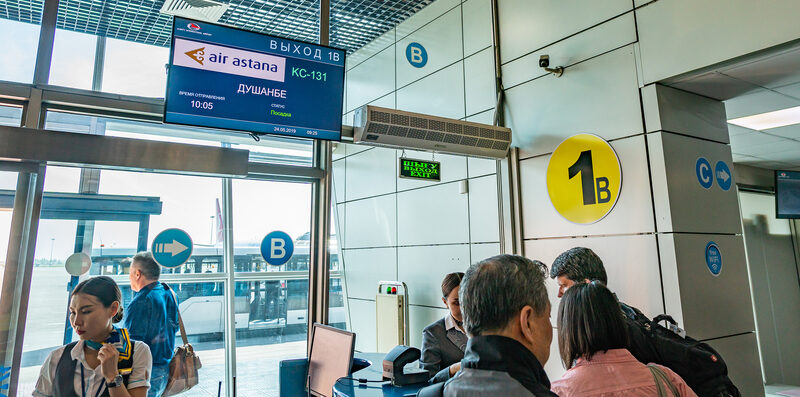
Kazakhstan is witnessing a significant decline in emigration, reaching its lowest level in more than ten years, according to a study by analysts at Ranking.kz. The analysis, based on data from the National Statistics Bureau (NSB) of the Agency for Strategic Planning and Reforms of the Republic of Kazakhstan (ASPiR RK), highlights shifting demographic and economic patterns within the country. Statistical Overview and Long-Term Trends In the first four months of 2025, just 1,700 individuals left Kazakhstan for permanent residence abroad, a figure 2.8 times lower than the same period in 2024, when 4,800 people emigrated. Immigration also declined slightly, with 8,100 people entering Kazakhstan between January and April 2025, compared to 9,900 the previous year. Despite this, the migration balance remains positive, with more people arriving than leaving. A longer-term view underscores a consistent downward trend. In 2000, some 155,700 people emigrated. By 2024, this figure had dropped to 12,700. Notable upticks occurred during periods of heightened outflow, specifically between 2006-2008 and 2013-2019. However, for the past two years, Kazakhstan has maintained a positive migration balance. In 2024, 23,900 people immigrated to the country, nearly double the number who left. Key Destinations for Emigrants Most emigrants originate from Kazakhstan's northern and eastern regions. In 2024, 47.9% of those who left came from the Kostanay, Pavlodar, Abai, North Kazakhstan, and East Kazakhstan regions. Russia continues to be the primary destination, receiving 69% of all Kazakhstani emigrants. However, that number is sharply down: from January to March 2025, only 644 citizens moved to Russia, a 75.5% decline compared to the same period in 2024. Germany is the second most popular destination. In 2024, approximately 2,000 Kazakhstani citizens relocated there, but this too marked a significant decrease of 67.9%. Emigration to nearly all traditional destinations has declined, with the exception of Kyrgyzstan. While still relatively minor in scale (about 300 people annually), migration to Kyrgyzstan is gradually increasing, particularly from Kazakhstan’s southern regions. Causes Behind the Decline The United Nations Population Fund had previously forecast a drop in emigration, attributing it to Kazakhstan’s economic development, increased labor demand, and the diminishing pool of ethnic migrants. Demographic shifts also play a role. Population growth in southern Central Asian republics is contributing to a new influx of migrants into Kazakhstan. A 2024 public opinion survey conducted by the Demoscope Express Monitoring Bureau supports these trends. Among the 1,100 respondents, 78.5% said they had no plans to emigrate within the next two to three years. Only 6.9% expressed intent to leave, and 5.6% said they would like to emigrate but were currently unable to do so. The most commonly cited reasons for emigration include the desire for higher income (24.5%), better employment opportunities (14%), and a perceived lack of prospects within Kazakhstan (23.9%). Other motivations include studying abroad (11.7%), family reunification (2.6%), and returning to ancestral homelands (0.6%).