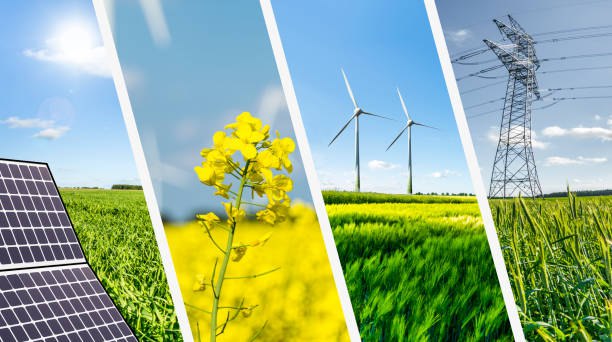
Kazakhstan Unveils Green Energy Transition Strategy at London Forum
Kazakhstan aims to increase the share of renewable energy in its power mix to 50% by 2050, Deputy Minister of Energy Sanzhar Zharkeshov announced at the Future Resilience Forum in London. The international gathering brought together global policymakers, business leaders, and experts to address sustainable development and climate-related challenges. Zharkeshov stated that Kazakhstan is modernizing its energy legislation to accelerate the green transition. Measures include the introduction of transparent auctions and revised subsoil use regulations, steps that have helped reduce wind and solar tariffs and position Kazakhstan as one of Central Asia’s most attractive clean energy markets. The country currently operates 158 renewable energy facilities with a combined capacity exceeding 3 GW. By 2035, it plans to add another 8.4 GW. According to the Ministry of Energy, the national targets include reaching a 15% renewable share by 2030 and 50% by 2050. Kazakhstan’s green energy agenda focuses on two key priorities: expanding power grids to integrate renewable energy sources and deploying energy storage solutions, including pumped storage hydropower stations. Natural gas remains a strategic “transitional” fuel in Kazakhstan’s energy mix, offering stability while contributing to emissions reductions. The government is actively expanding gasification across regions, converting coal-fired thermal power plants to gas, and upgrading storage and transport infrastructure. Zharkeshov noted that Kazakhstan remains a reliable energy supplier and a responsible participant in the global energy system. The country supplies about 13 percent of the European Union’s oil imports and is working with Azerbaijan and Uzbekistan to develop alternative export routes across the Caspian Sea. “The global energy sector is undergoing a transformation driven by emission reduction policies and the shift to low-carbon sources. Kazakhstan is pursuing a balanced approach, reducing greenhouse gas emissions while maintaining energy security,” he said. He added that despite global economic challenges, Kazakhstan’s energy sector continues to show resilience and is attracting strong interest from international investors. As previously reported by The Times of Central Asia, Kazakhstan also plans to construct several nuclear power plants, including a joint project with China National Nuclear Corporation (CNNC).