

• KGS/USD = 0.01144 0%
  • KZT/USD = 0.00213 0%
  • TJS/USD = 0.10569 0.09%
  • UZS/USD = 0.00008 0%
  • TMT/USD = 0.28530 0%
  • KGS/USD = 0.01144 0%
  • KZT/USD = 0.00213 0%
  • TJS/USD = 0.10569 0.09%
  • UZS/USD = 0.00008 0%
  • TMT/USD = 0.28530 0%
  • KGS/USD = 0.01144 0%
  • KZT/USD = 0.00213 0%
  • TJS/USD = 0.10569 0.09%
  • UZS/USD = 0.00008 0%
  • TMT/USD = 0.28530 0%
  • KGS/USD = 0.01144 0%
  • KZT/USD = 0.00213 0%
  • TJS/USD = 0.10569 0.09%
  • UZS/USD = 0.00008 0%
  • TMT/USD = 0.28530 0%
  • KGS/USD = 0.01144 0%
  • KZT/USD = 0.00213 0%
  • TJS/USD = 0.10569 0.09%
  • UZS/USD = 0.00008 0%
  • TMT/USD = 0.28530 0%
  • KGS/USD = 0.01144 0%
  • KZT/USD = 0.00213 0%
  • TJS/USD = 0.10569 0.09%
  • UZS/USD = 0.00008 0%
  • TMT/USD = 0.28530 0%
  • KGS/USD = 0.01144 0%
  • KZT/USD = 0.00213 0%
  • TJS/USD = 0.10569 0.09%
  • UZS/USD = 0.00008 0%
  • TMT/USD = 0.28530 0%
  • KGS/USD = 0.01144 0%
  • KZT/USD = 0.00213 0%
  • TJS/USD = 0.10569 0.09%
  • UZS/USD = 0.00008 0%
  • TMT/USD = 0.28530 0%

Viewing results 1 - 6 of 4

Russia to Boost Energy Exports to Uzbekistan as Trade Surpasses $13 Billion

Russia plans to increase deliveries of oil and natural gas to Uzbekistan, Prime Minister Mikhail Mishustin said at the sixth session of the intergovernmental commission at the level of the two countries’ prime ministers in Moscow. “Agreements have been reached to continue supplies of Russian oil and natural gas and to increase their volumes,” Mishustin said, noting that energy remains a key area of cooperation between Moscow and Tashkent. He added that Russian specialists are also involved in drilling new wells and modernizing refining and gas transportation infrastructure in Uzbekistan. The meeting brought together Mishustin and Uzbekistan’s Prime Minister Abdulla Aripov to review progress on agreements set by Presidents Vladimir Putin and Shavkat Mirziyoyev. Both sides emphasized the continued expansion of what they described as a comprehensive strategic partnership. Mishustin said bilateral trade increased by nearly 12.5% last year, approaching one trillion rubles, and is expected to grow further by 2030. Aripov, citing Uzbek data, said trade turnover exceeded $13 billion in 2025 and rose by a further 30% in the first two months of this year. Energy cooperation featured prominently in the discussions. Construction of a Russian-designed nuclear power plant in Uzbekistan’s Jizzakh region is underway, with concrete work beginning in March. Aripov described the project as opening “a new page” in bilateral relations, adding that Uzbekistan would become “the first country where both small and large nuclear power plants will be located on one site.” Beyond energy, the two sides highlighted expanding investment and industrial cooperation. Around 150 joint projects worth more than four trillion rubles are currently being implemented, while Uzbekistan hosts over 3,200 enterprises with Russian capital. Projects span sectors including mining, chemicals, textiles, pharmaceuticals, logistics, and digital technologies. Previous reporting indicates that Russia remains one of Uzbekistan’s largest trading partners, with both governments aiming to increase bilateral trade to $30 billion by 2030. Transport links are also expanding, with 367 weekly flights now operating between the two countries, according to Aripov.

Central Asia’s Green Energy Dream: Too Big to Achieve?

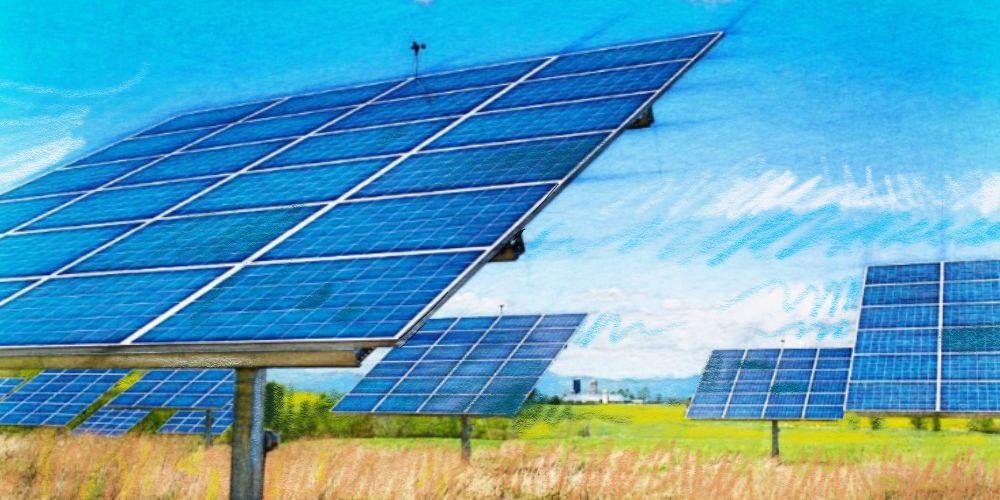
Although most Central Asian nations are heavily dependent on fossil fuel production and exports, they are aiming to significantly increase the use of renewable energy, hoping to eventually become crucial suppliers of so-called green electricity to Europe. Achieving such an ambitious goal will be easier said than done, given that developing the green energy sector in the region requires massive investment. What Central Asian states – struggling to attract long-term private capital into clean energy projects – need is financing for projects that modernize power networks, improve grid stability, and enable cross-border electricity flows. These upgrades are essential for large-scale renewable energy deployment and regional trade in power. Most actors in Central Asia seem to have taken major steps in this direction. In November 2024, at the COP29 climate conference held in Baku, Kazakhstan signed several deals worth nearly $3.7 billion with international companies and development institutions to support green energy projects. Neighboring Uzbekistan, according to reports, has attracted more than €22 billion ($23.9) in foreign investment in renewable energy, while Kyrgyzstan, Turkmenistan, and Tajikistan – which is aiming to generate all its electricity from green energy sources by 2032 – have developed strategies to help increase their renewable potential. But to turn their goals into reality, all these nations will need funding – whether from oil-rich Middle Eastern countries, China, the European Union, or various international financial institutions. Presently, the development of the Caspian Green Energy Corridor – which aims to supply green electricity from Central Asia to Azerbaijan and further to Europe – remains the region’s most ambitious project. According to Yevgeniy Zhukov, the Asian Development Bank's (ADB) Director General for Central and West Asia, this initiative is a strategic priority for Kazakhstan, Uzbekistan, and Azerbaijan. “While the prospect of exporting green electricity to Europe is part of the long-term vision, the core goal of the initiative is to accelerate green growth within the region,” Zhukov told The Times of Central Asia. Together with the Asian Infrastructure Investment Bank, the ADB is funding a feasibility study for this proposed transmission corridor. The study will assess the technical and economic viability of such a system, along with the environmental and regulatory requirements. In the meantime, the ABD is expected to continue funding other green energy projects in the region. The financial entity, according to Zhukov, invested $250 million in Uzbekistan in 2023 to support renewable energy development and comprehensive power sector reforms, while in other Central Asian countries, it remains “firmly committed to driving the green energy transition.” “For instance, in Tajikistan we are exploring the potential to co-finance the Rogun Hydropower Project alongside the World Bank and other international partners. In Kyrgyzstan, our focus has been on supporting foundational reforms in the energy sector, including strengthening the policy and regulatory environment to attract private investment in renewables. In Turkmenistan, we’ve launched a total of $1.75 million technical assistance initiative to help lay the groundwork for future renewable energy development,” Zhukov stressed, pointing out that these efforts are part...