
• KGS/USD = 0.01143 0%
  • KZT/USD = 0.00200 0%
  • TJS/USD = 0.10593 -0.19%
  • UZS/USD = 0.00008 0%
  • TMT/USD = 0.28575 0%
  • KGS/USD = 0.01143 0%
  • KZT/USD = 0.00200 0%
  • TJS/USD = 0.10593 -0.19%
  • UZS/USD = 0.00008 0%
  • TMT/USD = 0.28575 0%
  • KGS/USD = 0.01143 0%
  • KZT/USD = 0.00200 0%
  • TJS/USD = 0.10593 -0.19%
  • UZS/USD = 0.00008 0%
  • TMT/USD = 0.28575 0%
  • KGS/USD = 0.01143 0%
  • KZT/USD = 0.00200 0%
  • TJS/USD = 0.10593 -0.19%
  • UZS/USD = 0.00008 0%
  • TMT/USD = 0.28575 0%
  • KGS/USD = 0.01143 0%
  • KZT/USD = 0.00200 0%
  • TJS/USD = 0.10593 -0.19%
  • UZS/USD = 0.00008 0%
  • TMT/USD = 0.28575 0%
  • KGS/USD = 0.01143 0%
  • KZT/USD = 0.00200 0%
  • TJS/USD = 0.10593 -0.19%
  • UZS/USD = 0.00008 0%
  • TMT/USD = 0.28575 0%
  • KGS/USD = 0.01143 0%
  • KZT/USD = 0.00200 0%
  • TJS/USD = 0.10593 -0.19%
  • UZS/USD = 0.00008 0%
  • TMT/USD = 0.28575 0%
  • KGS/USD = 0.01143 0%
  • KZT/USD = 0.00200 0%
  • TJS/USD = 0.10593 -0.19%
  • UZS/USD = 0.00008 0%
  • TMT/USD = 0.28575 0%
22 February 2026

Viewing results 1 - 6 of 9

Russia Increases Natural Gas Exports to Uzbekistan

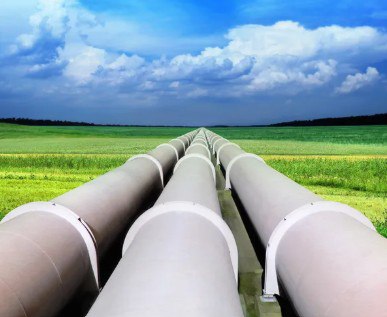
Russia significantly increased natural gas exports to Uzbekistan in 2025, with deliveries rising by about 30% to more than 7 billion cubic meters via the Central Asia–Center pipeline system, according to the International Energy Agency (IEA). The increase came despite an overall decline in Russia’s gas production and a sharp drop in exports to Europe, pointing to Central Asia’s growing role in Moscow’s energy strategy. In its latest report, the IEA said natural gas output across Eurasia fell by an estimated 2% in 2025, largely due to lower production in Russia. Preliminary data point to a 3% decline in Russian gas output, or around 22 billion cubic meters, amid weaker domestic demand and shrinking exports. Domestic deliveries dropped by nearly 3%, with the sharpest decline recorded in the first quarter, when milder winter temperatures reduced heating demand. At the same time, pipeline gas exports to Europe plunged by roughly 25% year on year following the halt of transit through Ukraine on January 1, 2025. The shortfall was only partly offset by increased supplies to China and Central Asia. Exports to China via the Power of Siberia pipeline rose by 25% to nearly 39 billion cubic meters, while shipments to Uzbekistan through Kazakhstan continued to increase. The IEA also noted diverging trends across Central Asia’s gas sector. Turkmenistan’s gas production rose by about 3% to roughly 80 billion cubic meters. By contrast, Uzbekistan’s output fell by 4.5% in the first 11 months of 2025 due to upstream capacity constraints. Kazakhstan, meanwhile, recorded a gain of more than 10% in sales gas production, although regional pipeline exports to China declined by around 5%. Against this backdrop, Russia is moving to formalize energy ties with Central Asian countries. The Russian Energy Ministry announced the creation of a joint energy working group following expert-level consultations held under the “Central Asia–Russia” framework at the Russian Foreign Ministry. Deputy Energy Minister Roman Marshavin, who participated in the talks, said the working group will operate at the deputy minister level and include representatives from Russia, Kazakhstan, Kyrgyzstan, Uzbekistan, Tajikistan, and Turkmenistan. The body will be tasked with implementing the Joint Action Plan for 2025-2027, adopted at the second Central Asia-Russia summit in Dushanbe in October 2025. The ministry said the group will focus on coordinating fuel and energy policy and overseeing the implementation of decisions approved by regional leaders.
Tokayev Calls Nuclear Power a Correction of Kazakhstan’s “Historical Absurdity”

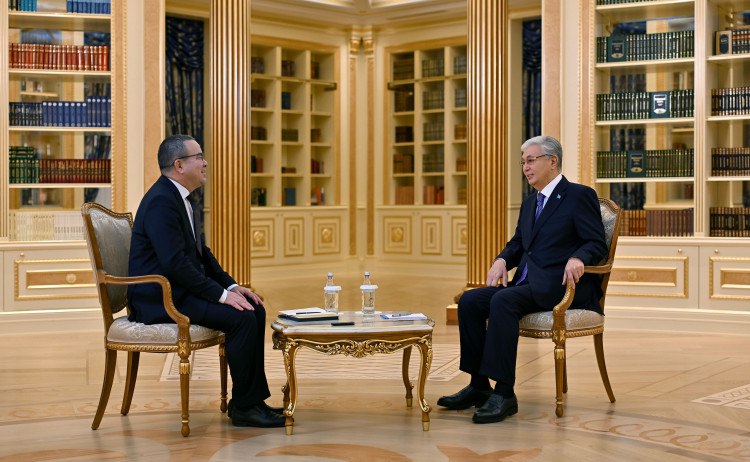
President Kassym-Jomart Tokayev has described Kazakhstan’s push to build nuclear power plants as a correction of a “historical absurdity”, namely, that a nation which ranks among the world’s top producers and exporters of uranium has yet to harness this resource for domestic electricity generation. In October 2024, a nationwide referendum showed broad public support for the development of nuclear energy. Following the vote, Tokayev announced plans to construct at least two nuclear power plants, with a third to follow. In June 2025, Russian state corporation Rosatom was selected to build the country’s first nuclear power plant near the village of Ulken, on the western shore of Lake Balkhash, about 400 kilometers northwest of Almaty. Contracts for the second and third plants were later signed with the China National Nuclear Corporation (CNNC). “The construction of several nuclear power plants is, on the one hand, a correction of the historical absurdity – to be a world leader in the production of uranium and not to build any nuclear power plants, on the other, it is the prestige of Kazakhstan,” Tokayev said in an interview with Turkistan newspaper, published on the official Akorda website. According to Tokayev, reliable electricity generation is essential for Kazakhstan’s transition to a new technological model of the economy. He emphasized that the development of supercomputers, data centers, and automated industrial systems requires substantial energy resources. “This is the reality of the new global technological order,” he stated. Tokayev has consistently argued that Kazakhstan must become a digital power, framing digitalization as a matter of national survival. He believes society is mentally prepared for innovation, citing the success of fintech companies and the expansion of digital government services. “We have good starting conditions and have made progress in the digitalization of public services, fintech, and several sectors of the economy. The ecosystem supporting IT startups is functioning effectively,” the president noted. He added that for continued progress, Kazakhstan requires stable, environmentally friendly, and high-capacity energy sources, needs best met by nuclear power. Tokayev also highlighted the importance of personnel in building a nuclear energy sector. He said the development of nuclear power will contribute to the emergence of a new class of technical intelligentsia, which could ultimately influence state policy. “Qualified specialists are needed to create modern energy sources. The head of NVIDIA, the world's largest company by market capitalization, predicts that in the near future, multimillionaires will include representatives of technical professions, the so-called ‘blue-collar workers’,” Tokayev said. As previously reported by The Times of Central Asia, Kazakhstan plans to train nuclear energy specialists abroad through the Bolashak state program.

Uzbekistan Suspends New Gas Connections for Homes to Conserve Energy

Uzbekistan has halted the issuance of technical permits for new natural gas connections in residential and commercial buildings that use gas exclusively for heating or cooking. Minister of Energy Jurabek Mirzamahmudov announced the decision on October 28, according to Gazeta.uz. The measure applies to newly built properties that consume gas purely for combustion rather than industrial production. “This does not concern only apartment buildings,” Mirzamahmudov said. “According to a Cabinet of Ministers resolution, starting this year, technical permits for gas connection are no longer issued to consumers who use gas solely for burning. However, if gas is used to create added value in industry, that is allowed, because resources are limited.” Existing buildings already connected to the gas network will not be affected. In new developments, gas stoves will be replaced with electric ones, and heating will be provided through centralized or local boiler systems. The minister said that the rational use of resources has become a national priority, particularly given the country’s reliance on certain external energy supplies. “Since there are alternative sources, such as electric stoves for cooking and electricity for heating, they serve the same purpose,” he added. Mirzamahmudov said that the country’s centralized heating network is being expanded during the current heating season, with several projects under development through public-private partnerships. “Urban networks are being modernized, and cogeneration facilities are under construction. For example, on November 18 in Samarkand, during an international forum, we plan to sign a heating supply agreement based on a public-private partnership with a Saudi company,” he noted, likely referring to a project in Nukus involving the Emirati firm Tadweer. The policy shift comes amid a continued decline in domestic gas output. Uzbekistan’s natural gas production fell by 4.2% in the first two months of 2025 compared to the same period last year. Production has steadily dropped from 61.59 billion cubic meters in 2018 to 44.59 billion in 2024. The new restrictions reflect the government’s growing efforts to conserve resources and improve nationwide energy efficiency.
