• KZT/USD = 0.00221
  • TJS/USD = 0.10830
  • UZS/USD = 0.00008
  • TMT/USD = 0.29760
  • KZT/USD = 0.00221
  • TJS/USD = 0.10830
  • UZS/USD = 0.00008
  • TMT/USD = 0.29760
  • KZT/USD = 0.00221
  • TJS/USD = 0.10830
  • UZS/USD = 0.00008
  • TMT/USD = 0.29760
  • KZT/USD = 0.00221
  • TJS/USD = 0.10830
  • UZS/USD = 0.00008
  • TMT/USD = 0.29760
  • KZT/USD = 0.00221
  • TJS/USD = 0.10830
  • UZS/USD = 0.00008
  • TMT/USD = 0.29760
  • KZT/USD = 0.00221
  • TJS/USD = 0.10830
  • UZS/USD = 0.00008
  • TMT/USD = 0.29760
  • KZT/USD = 0.00221
  • TJS/USD = 0.10830
  • UZS/USD = 0.00008
  • TMT/USD = 0.29760
  • KZT/USD = 0.00221
  • TJS/USD = 0.10830
  • UZS/USD = 0.00008
  • TMT/USD = 0.29760
16 October 2026

Viewing results 1 - 6 of 58

Uzbekistan to Launch “Eco-Active Citizen” Project for a Greener Future

The Ministry of Ecology, Environmental Protection, and Climate Change of Uzbekistan, in collaboration with the Ministry of Digital Technologies, has announced plans to launch the “Eco-Active Citizen” project by June 1, 2025. This initiative is part of the nationwide “One Million Green Families” movement and integrates with the “Healthy Lifestyle” platform. It is outlined in the draft Presidential Decree “On the State Program for the Implementation of the Strategy ‘Uzbekistan – 2030,’” which places significant emphasis on environmental protection and fostering a “green economy.” The project seeks to promote an ecological lifestyle and enhance environmental awareness among the population. Citizens will be encouraged to take actions such as planting trees, using public transportation, walking 10,000 steps daily, reducing waste, and transitioning to electric vehicles. Additional recommended measures include installing solar panels, utilizing energy-saving materials, and conserving electricity, gas, and water. Active participation in public environmental activities will also be key. Participants in the “Eco-Active Citizen” program will qualify for public service discounts, lower interest rates on consumer loans, and may even receive environmentally friendly vehicles such as bicycles or scooters. Families in which all members achieve “eco-active” status will be recognized as “Green Families” and will have the opportunity to participate in an annual lottery to win an electric car. Neighborhoods (mahallas) with over 50% of households classified as “Green Families” will earn the title of “Green Neighborhoods” and will receive additional environmental benefits, such as designated waste collection sites, tree planting initiatives, and green public parks. Cities or villages with more than 50% “Green Neighborhoods” will be officially recognized as “Green Cities,” “Green Villages,” or “Green Auls” (fortified villages). The Ministry of Ecology underscored the environmental impact of individual actions. For instance, one car emits an estimated 4.6 tons of carbon dioxide annually, whilst walking 10,000 steps per day can prevent up to 1.5 tons of waste. Additionally, conserving 100 cubic meters of natural gas can prevent 2 tons of carbon dioxide emissions. These efforts aim to establish sustainable “green cities” while promoting environmentally responsible tourism. In a related development, The Times of Central Asia previously reported that Uzbekistan is preparing a draft national program to reduce plastic pollution for 2025-2027.
Central Asia Tackles Plastic Pollution with Bag Ban Initiatives

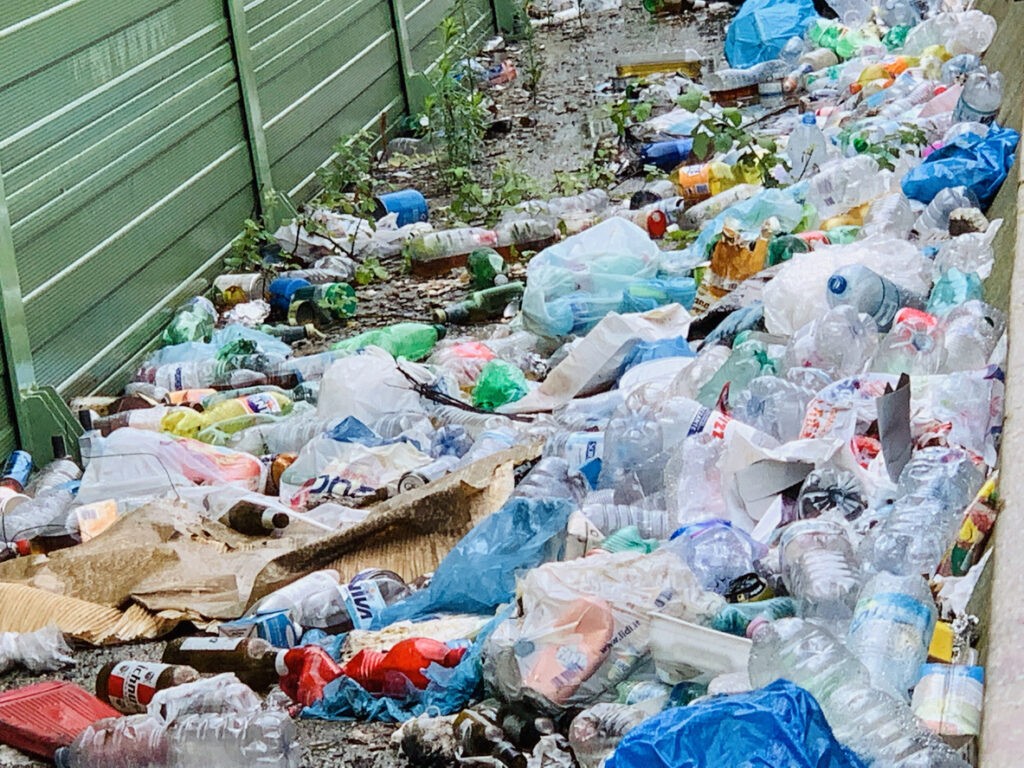
Globally, an estimated 5 trillion plastic bags are used every year. These bags take approximately 1,000 years to decompose in landfills and do not fully break down. Instead, they photodegrade into microplastics, which absorb toxins and continue to pollute the environment. Recognizing the urgency of this issue, Central Asian countries are committing to phasing out plastic bags, each pursuing distinct approaches. Uzbekistan Uzbekistan plans to introduce a draft national program to reduce plastic pollution for 2025–2027. This initiative is part of the draft State Program for the Implementation of the Strategy "Uzbekistan-2030" in the Year of Environmental Protection and Green Economy, currently under public discussion. The proposal includes: A ban on the production, import, and use of plastic bags starting in 2027. Promoting environmentally friendly, biodegradable packaging. Regulating harmful chemicals in plastic products. Encouraging recycled plastic use in packaging through established coefficients. The draft program is expected to be developed by September 2025 and submitted to the Cabinet of Ministers by November 2025. A related draft presidential decree outlines additional measures, such as: Developing legislation requiring manufacturers and importers of plastic packaging to collect and dispose of plastic waste. Establishing collection and disposal facilities. Imposing a disposal fee for plastic waste by November 1, 2025. Kazakhstan Kazakhstan had initially planned to ban plastic bags by 2025. However, the Ministry of Ecology and Natural Resources determined that the country is not yet prepared for this transition. Research reveals a significant gap: while the consumption of plastic tableware and packaging exceeds 430 million pieces annually, the production of alternative materials is limited to only 10 million pieces. This disparity highlights the urgent need to develop sustainable packaging solutions before implementing a comprehensive ban. Kyrgyzstan Kyrgyzstan is set to ban the use of polyethylene bags and plastic nationwide starting January 1, 2027. The Law on Limiting the Circulation of Polymer Film and Plastic Bags in the Territory of the Kyrgyz Republic, signed by President Sadyr Japarov in 2023, outlines penalties for violations: For citizens: Fines of 10,000 KGS (approximately $114.90). For legal entities: Fines of 28,000 KGS (approximately $321.80). Warnings will be issued for first-time violations involving the free distribution of plastic bags. Subsequent violations will incur fines: For legal entities: 5,000 KGS (approximately $57.40). For individuals: 1,000 KGS (approximately $11.40). Tajikistan Tajikistan will implement a ban on the import and use of plastic bags starting January 1, 2025. To support this transition, authorities have focused on developing environmentally friendly packaging alternatives made from materials such as cardboard, paper, fabric, ceramics, and biodegradable polymers.   These varied approaches reflect the commitment of Central Asian countries to tackling the global challenge of plastic pollution. By balancing environmental priorities with practical considerations, these nations aim to create a cleaner, more sustainable future.

Central Asia Faces Devastating $9 Billion Annual Loss from Climate Crises

Central Asia faces a complex mix of development challenges, according to a study conducted by the Analytical Credit Rating Agency (ACRA). These include global issues such as climate change, rising inequality, and demographic shifts, alongside regional concerns like water crises, aging infrastructure, border conflicts, and lack of access to sea routes. The region’s challenges can be categorized into external and internal risks. Since gaining independence, Central Asia has been shaped by the influence of global powers. Trade, security, energy, and education ties with Russia remain strong, while China’s Belt and Road Initiative has led to significant investment in infrastructure. Western nations and multinational corporations are active primarily in the raw materials sector, particularly in Kazakhstan, Uzbekistan, and Turkmenistan. While these international connections drive economic growth, they also heighten the region’s vulnerability to global shocks. For example, heavy reliance on remittances from migrant workers and low export diversification increase economic fragility. Climate change poses one of the most pressing threats to the region. Natural disasters—including floods, which affect about one million people annually, and earthquakes, impacting two million - result in $9 billion in annual GDP losses. Rising temperatures are expected to exacerbate issues such as water scarcity, droughts, heat waves, and the loss of agricultural land. Adopting sustainable development practices and green technologies could help mitigate these effects. Aging water and energy infrastructure is a major hurdle for the region. Energy insecurity, compounded by climate change, limits economic potential. Despite a rise in foreign investment from $1.5 billion in 2000 to $7.4 billion in 2023, the majority of funds are concentrated in raw materials, with only a small share allocated to infrastructure improvements. Transport development is equally critical. The lack of sea access places Central Asia at a 20% developmental disadvantage compared to coastal nations. Expanding roads, railways, and logistics hubs could significantly enhance regional and international trade. Territorial disputes, particularly around enclaves, remain a source of periodic clashes, with the Kyrgyz-Tajik border clashes of 2022 being a notable example. While these conflicts may not immediately affect economic stability, escalations could damage the region’s investment climate and trade prospects. A peace agreement signed later in 2022 has helped to stabilize the situation. Additionally, the situation in Afghanistan continues to present challenges, including terrorism, refugee flows, and border security concerns. These risks intensified following the regime change in Afghanistan in 2021, increasing the urgency for stronger border controls. Addressing these interconnected challenges will require coordinated efforts among all Central Asian nations. International organizations and major global partners must also play a role by supporting infrastructure and technological modernization. Such collaboration is essential to mitigating economic risks and fostering long-term development in the region.

Rivers Without Boundaries Coalition Criticizes Rogun HPP Plans

Rivers Without Boundaries, an international environmental organization, has released a detailed report analyzing alternative strategies for completing the Rogun Hydroelectric Power Plant (HPP) in Tajikistan. This report has been submitted for review to the World Bank Board of Directors. The report highlights the importance of exploring alternative energy development options in Tajikistan before committing to the $6.4 billion Rogun HPP project. The coalition advocates for solutions that minimize environmental and social risks while maximizing long-term benefits for the region. Environmentalists caution that even if the World Bank approves the construction of the world's tallest dam, standing at 335 meters, many of Tajikistan's pressing challenges will remain unresolved. Persistent electricity shortages, for example, are projected to continue until at least 2036, despite the project’s completion. Additionally, the project poses significant threats to the UNESCO-listed Tigrovaya Balka Nature Reserve and the endangered shovelnose sturgeon in the Vakhsh River. Agricultural disruption is another major concern, as over seven million people across Tajikistan, Uzbekistan, Turkmenistan, and Afghanistan risk losing access to vital water resources for farming. The coalition proposes an alternative approach that combines a smaller Rogun HPP with the development of solar power plants. By reducing the dam’s height by 70 meters, the plan could substantially lower economic, social, and environmental risks. This modified strategy offers several benefits, including reducing the number of displaced residents from 40,000 to roughly 13,000. Moreover, integrating solar energy into the energy mix could enable Tajikistan to meet its winter electricity demands by 2030–31 while enhancing resilience to climate change. Diversifying the energy sector would also mitigate long-term economic vulnerabilities. Previously, Rivers Without Boundaries published a report titled “Rogun Hydroelectric Power Plant Project: Non-Compliance Report with World Bank Requirements,” which detailed how the Rogun HPP project violates the World Bank’s environmental and social standards in six critical areas: environmental assessment, biodiversity protection, resource efficiency, dam safety, public participation, and forced displacement. The coalition calls on the World Bank and Tajik authorities to consider alternative solutions that align energy development with environmental sustainability and social responsibility, ensuring a balanced and equitable approach to the region’s energy needs.  

Harnessing Diplomacy: Qosh Tepa Canal as a Bridge to U.S. Influence in Central Asia

The Center for the National Interest, a Washington, D.C.-based think tank, has released a report titled Afghanistan’s Qosh Tepa Canal and Water Security in Central Asia. The report outlines how U.S. support for the Qosh Tepa Canal project could provide an opportunity for the incoming Trump administration to strengthen its influence in the region. Project Overview Currently under construction in northern Afghanistan, the Qosh Tepa Canal aims to divert water from the Amu Darya River to support agriculture and economic growth. The canal will stretch 287 kilometers, with a depth of 8.5 meters and an average width of 100 meters. Once completed, it will irrigate more than 1.2 million acres of farmland and generate approximately 200,000 jobs in northern Afghanistan. While the Taliban has championed the project as a cornerstone of Afghanistan’s development, the canal poses significant challenges for downstream countries reliant on the Amu Darya, particularly Uzbekistan and Turkmenistan. Concerns include potential water scarcity, environmental degradation, and heightened regional tensions. Implications for Central Asia The report highlights that the canal could exacerbate existing disputes over water allocation in a region already plagued by scarcity. Unlike its Central Asian neighbors, Afghanistan is excluded from water-sharing agreements rooted in the Soviet era. The poorly designed Soviet canals along the Amu Darya continue to undermine water security in the region decades after their construction, a fate experts hope to avoid with Qosh Tepa. Recommendations for U.S. Engagement The report urges the United States to seize this opportunity to engage Afghanistan and the broader region diplomatically and technically: 1. Support for a Well-Engineered Canal The United States should advocate for a well designed canal that prioritizes water-use efficiency. By offering technical assistance and backing the project in principle, the U.S. could pave the way for multilateral development banks, such as the World Bank, the European Bank for Reconstruction and Development, and the Asian Development Bank, to provide financial and technical support. 2. Promote Regional Water Diplomacy Washington should encourage negotiations for a regional water-sharing agreement among Afghanistan, Kazakhstan, Kyrgyzstan, Tajikistan, Turkmenistan, and Uzbekistan. 3. Assist Downstream States Additional investments in modernizing irrigation systems in Uzbekistan and Turkmenistan could mitigate the canal's impact on downstream water availability. Strategic Context The report underscores the geostrategic importance of Afghanistan and Central Asia, which border three of Washington’s primary global competitors: China, Russia, and Iran. By supporting the Qosh Tepa Canal project and fostering regional water-sharing cooperation, the U.S. could counterbalance the growing influence of Beijing, Moscow, and Tehran in the region. A Watershed Moment As construction progresses into its second phase, involving thousands of workers and heavy machinery, the Qosh Tepa Canal stands at the nexus of development and diplomacy. The report concludes that U.S. involvement in this critical project could serve not only to address Central Asia’s pressing water security challenges but also to reinforce Washington’s strategic position in one of the world’s most complex geopolitical arenas.

France to Help Kazakhstan Preserve Lake Balkhash

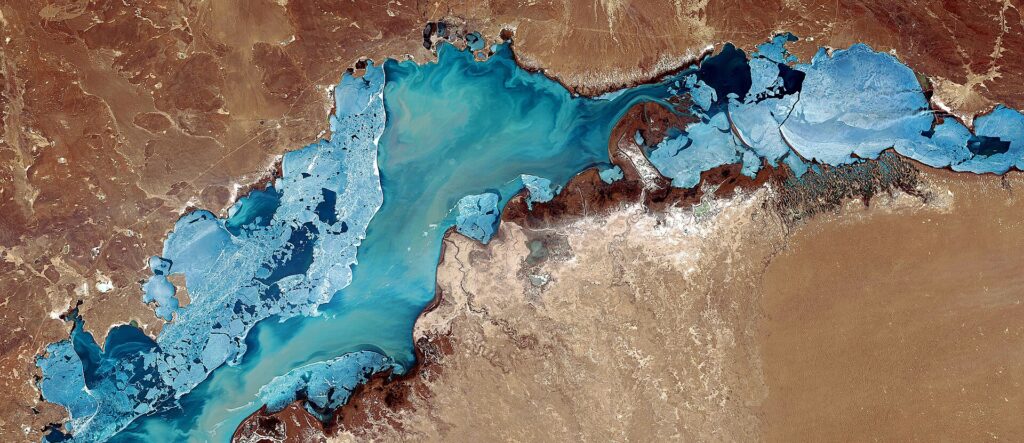
Kazakhstan’s Ministry of Water Resources and Irrigation, the French Development Agency (AFD), and the French Geological Survey (BRGM, Bureau de Recherches Géologiques et Minières) have signed a cooperation agreement to preserve Lake Balkhash. The agreement was formalized on December 4 at the One Water Summit in Saudi Arabia, attended by Kazakhstan President Kassym-Jomart Tokayev and French President Emmanuel Macron. Located 175 miles northwest of Almaty, Kazakhstan’s largest city, Lake Balkhash is the world’s fifteenth-largest lake. Under the agreement, the French side will allocate a grant of 1.35 million €uros to Kazakhstan’s Ministry of Water Resources and Irrigation to develop sustainable water management for the lake. The project includes a comprehensive study of the Lake Balkhash basin to create a long-term preservation plan through 2040. Minister of Water Resources and Irrigation, Nurzhan Nurzhigitov explained, "The trilateral agreement with AFD and BRGM is aimed at studying and sustainably managing water in the Lake Balkhash basin. The document provides for measuring and analyzing the state of water, modeling climate and anthropogenic influences, and forecasting the water balance until 2040. One of the goals of the project is to optimize the operating mode of the Kapchagay Reservoir to stabilize the level of Lake Balkhash. Based on the results of the study, measures will be taken to clean the rivers [feeding Balkhash], prevent soil degradation and water pollution, develop fisheries and ecotourism, and create a regulatory framework for the protection of the lake." At the summit, Kazakhstan’s Special Representative for International Environmental Cooperation, Zulfiya Suleimenova, announced that Kazakhmys Corporation, one of the country’s leading private companies, will contribute $5 million to preserve the ecosystem of Lake Balkhash and adjacent wetlands. In November, The Times of Central Asia reported that 13.5 billion cubic meters of water had been sent to Lake Balkhash via the Ili River from the Kapchagay Reservoir in 2024, raising the lake’s average water level to 341.6 meters above sea level. The Ili River, which originates in China, provides about 70% of Lake Balkhash’s water. Earlier in May, reports indicated that Balkhash’s water level had risen by 23 centimeters since the start of the year, largely due to increased rainfall and snow-melt floods during spring. Additionally, Kazakhstan and China have begun negotiations on the joint management of trans-boundary rivers, including the Ili. As previously reported by The Times of Central Asia, a key focus for Kazakhstan in these talks is to maintain optimal water levels in Lake Balkhash.