


Kazakhstan Radioactive Waste Management Assigned to National Nuclear Center
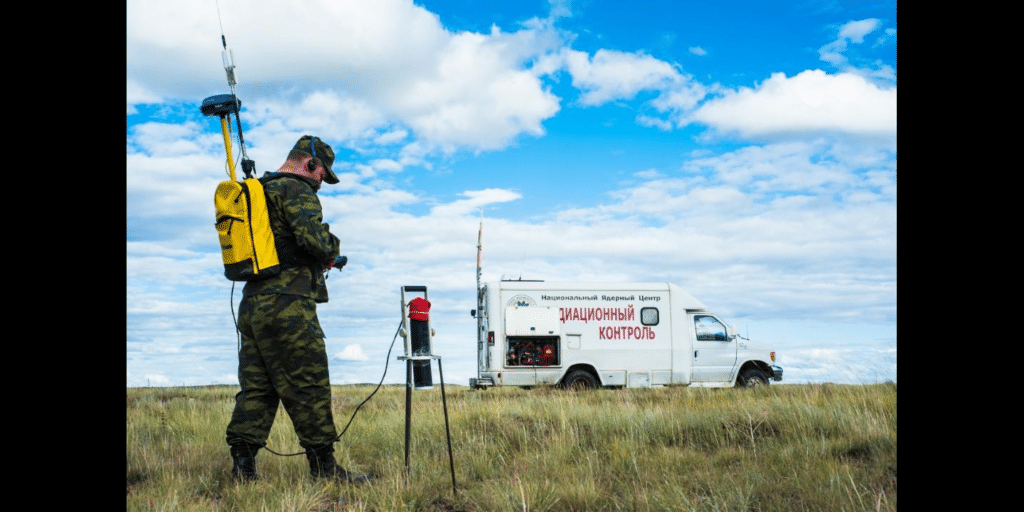
Kazakhstan’s National Nuclear Center will develop and operate radioactive waste disposal facilities. On October 30, the Atomic Energy Agency appointed the center as the national operator for radioactive waste management. A radioactive waste law adopted on July 7, 2026, sets out the operator’s role. In addition to handling waste, the center will dismantle or secure legacy nuclear sites that the state owns or is set to take over. It will also carry out cleanup work related to uranium mining and processing in cases specified by law. Anyone who generates radioactive waste is responsible for handling it safely until it is handed over to the center and must prepare it for disposal. The center will check whether the waste meets the acceptance requirements and can reject it if it does not. If the waste passes inspection, ownership transfers to the center once the transfer document is signed. The center will charge a fee to accept waste for storage and disposal. It must also inform residents about radiation levels around disposal facilities. After the facilities close, the center will continue monitoring radiation and take measures to prevent unauthorized access. Once the required monitoring period ends, responsibility for long-term safety will pass to the relevant local authorities. In a November 2026 response to a request for information from BES.media, the Atomic Energy Agency estimated that Kazakhstan had accumulated approximately 293 million metric tons of radioactive waste, including 237 million metric tons of contaminated soil and rock associated with Soviet nuclear testing at the Semipalatinsk test site. The agency said the figures were preliminary. Industry and research laboratories also generate radioactive waste. Medical facilities are another source, and future nuclear power plants will add to the total. In November 2025, Gumar Sergazin, then deputy chair of the Atomic Energy Agency, said Kazakhstan planned to dispose of waste from its future power plants at the former Semipalatinsk nuclear test site in the east of the country. However, in November 2026, the agency said the site was still under consideration for the country’s first permanent disposal facility, which would handle low- and intermediate-level radioactive waste. No final decision on its location has been made. In an October 2024 referendum, 71.12% of participants voted in favor of building a nuclear power plant. The first of the new plants is planned near the village of Ulken on the shore of Lake Balkhash. Russia’s Rosatom will lead the construction consortium. In 2025, officials in Kazakhstan named China National Nuclear Corporation (CNNC) as the construction partner for the second and third plants. Talks with CNNC over the second plant were still underway in November 2026. Kazakhstan is considering three sites for the third plant, including one near the Tobol River in the Kostanay region.
