• KZT/USD = 0.00223
  • TJS/USD = 0.10810
  • UZS/USD = 0.00009
  • TMT/USD = 0.29850
  • KZT/USD = 0.00223
  • TJS/USD = 0.10810
  • UZS/USD = 0.00009
  • TMT/USD = 0.29850
  • KZT/USD = 0.00223
  • TJS/USD = 0.10810
  • UZS/USD = 0.00009
  • TMT/USD = 0.29850
  • KZT/USD = 0.00223
  • TJS/USD = 0.10810
  • UZS/USD = 0.00009
  • TMT/USD = 0.29850
  • KZT/USD = 0.00223
  • TJS/USD = 0.10810
  • UZS/USD = 0.00009
  • TMT/USD = 0.29850
  • KZT/USD = 0.00223
  • TJS/USD = 0.10810
  • UZS/USD = 0.00009
  • TMT/USD = 0.29850
  • KZT/USD = 0.00223
  • TJS/USD = 0.10810
  • UZS/USD = 0.00009
  • TMT/USD = 0.29850
  • KZT/USD = 0.00223
  • TJS/USD = 0.10810
  • UZS/USD = 0.00009
  • TMT/USD = 0.29850
23 September 2026

Viewing results 1 - 6 of 8

Central Asia Makes Progress on Uranium Cleanup, but Major Risks Remain

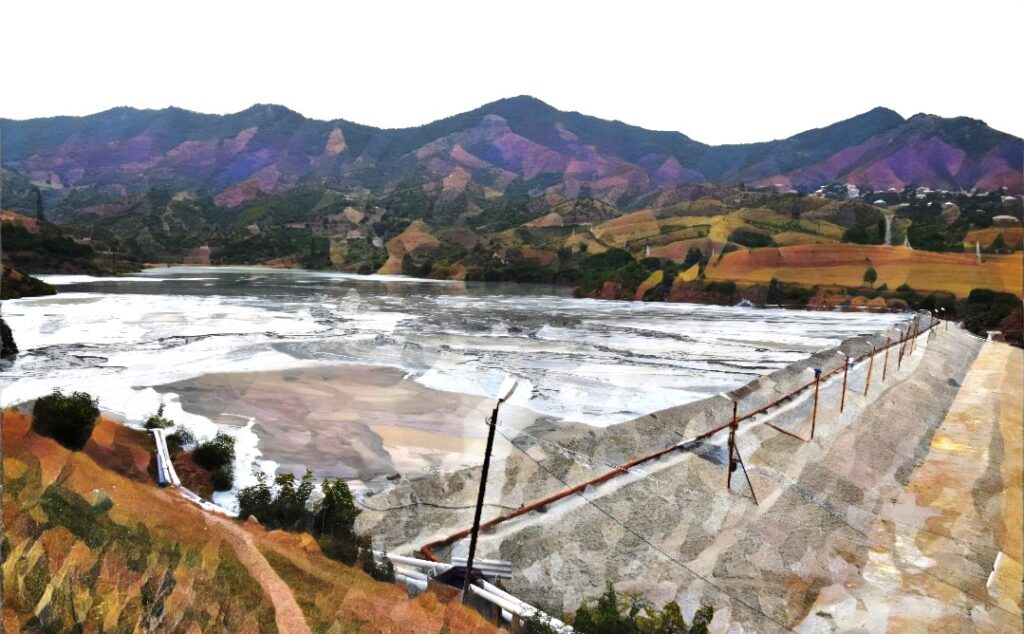
Radioactive waste lies beside the river in Mailuu-Suu, a former uranium town in Kyrgyzstan’s picturesque mountain landscape. Engineers preparing to secure it found a problem inside one of its dams. Additional drilling revealed tailings within the dam structure itself. Two subsequent studies concluded that waste from two connected ponds would have to be moved to a safer location. The discovery changed the cleanup design and increased its cost, according to the International Atomic Energy Agency’s revised master plan. Material that planners had intended to secure in place could no longer safely remain there. Once known as Mailbox 200, the town was founded in 1946 for a secret Soviet uranium program. Its workforce included Germans treated as politically suspect and former Red Army soldiers punished for surrendering during World War II. Uranium mining and processing at Mailuu-Suu ended in the late 1960s, leaving waste buried along the river. Cleanup is expected to continue until 2032. Even then, the authorities will need to maintain the restored sites and check that contamination remains contained. Mailuu-Suu illustrates why Central Asia’s uranium cleanup has stretched across decades. The waste sits in places where rivers and unstable slopes can carry it beyond the original industrial sites. Making those places safer requires extensive engineering, followed by public oversight that must outlast the contractors. [caption id="attachment_56370" align="aligncenter" width="1774"] Archival photograph of Mailuu-Suu’s old mill and uranium tailings; image: Peter Waggit/IAEA[/caption] The International Atomic Energy Agency’s latest assessment, published in January 2026, records substantial progress. Four out of seven priority sites have been remediated since the original regional plan was adopted in 2017. But Mailuu-Suu remains one of the largest and most complex projects, with work expected to extend beyond the updated regional plan’s 2030 horizon. Across the region, former uranium operations left radioactive residue after mining and processing ended. The IAEA describes facilities abandoned without adequate plans for safe closure. National governments inherited responsibility for sites where no private owner remained to pay for the work. The geography compounds the situation. The IAEA’s original planning framework identifies tailings ponds near major rivers in seismically active areas. Flooding or a landslide can undermine containment and lead to contaminated materials traveling downstream. The location of a deposit therefore helps determine the urgency and design of its cleanup. At Mailuu-Suu, the European Bank for Reconstruction and Development (EBRD) announced a €23 million grant in 2023. The original design included soil covers two meters thick to reduce water entering the waste and prevent access to it. The project concerned more than two million cubic meters of tailings along the river and its tributaries. Following the devastating 2023 earthquake in Turkey and Syria, Kyrgyzstan’s Ministry of Construction required further checks on the dams’ stability. Drilling revealed tailings inside the dam at pond seven. Subsequent studies found that the waste in ponds five and seven could not safely remain in place. The IAEA plan warns that a strong earthquake could cause the dam to collapse, allowing water-saturated waste to liquefy and enter the river....
Kyrgyzstan Moves to Introduce Unified Monitoring System for Uranium Waste Sites

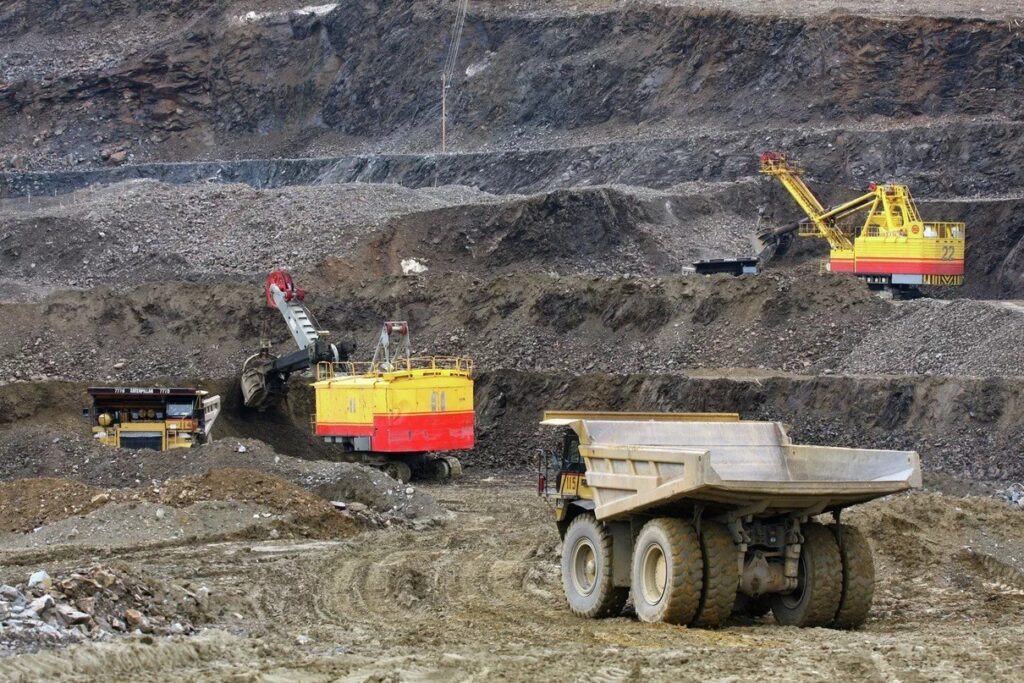
Kyrgyzstan is preparing to introduce a unified national system for radiological monitoring of former uranium production sites, tailings storage facilities, and other radioactive waste locations, shifting the focus from cleanup work to long-term oversight of Soviet-era uranium legacy sites. The draft resolution, published for public discussion by the Ministry of Natural Resources, Ecology and Technical Supervision, would establish a single framework for monitoring reclaimed uranium sites across the country. Under the proposed rules, state monitoring would cover protective engineering structures, surface and groundwater, soil, atmospheric air, and other environmental components surrounding radioactive sites. The ministry said the initiative was developed under Kyrgyzstan’s Environmental Security Concept through 2040 and had been coordinated with the International Atomic Energy Agency. “The draft resolution is aimed at establishing a unified procedure for organizing and conducting radioecological monitoring in areas containing former uranium production sites, radioactive tailings, and waste storage facilities after remediation work has been completed,” the ministry said in its explanatory note. Officials said that despite large-scale rehabilitation efforts, former uranium facilities in Kyrgyzstan continue to pose potential radiation risks, making permanent state oversight necessary. According to the ministry, Kyrgyzstan still holds significant volumes of radioactive waste generated by uranium mining and processing during the Soviet era. These tailings and mining dumps remain long-term potential sources of radiation exposure for both local populations and the environment. The ministry said the effectiveness of remediation can only be confirmed through systematic monitoring over an extended period after restoration works are completed. International organizations have also recommended long-term post-remediation monitoring, the ministry added. Kyrgyzstan is one of several Central Asian states still dealing with the environmental legacy of Soviet uranium mining. Sites such as Mailuu-Suu, Min-Kush, Kadji-Sai, and Shekaftar have been priorities for international remediation work because many are located near populated areas, river systems, or unstable terrain. Official data show that Kyrgyzstan has 92 toxic and radionuclide waste burial sites, including 34 that directly contain radioactive materials. A separate rehabilitation track has been carried out jointly by Kyrgyz emergency authorities and Russia’s state nuclear corporation Rosatom. Other remediation efforts have been supported through the Environmental Remediation Account for Central Asia, which is managed by the European Bank for Reconstruction and Development. Over the past nine years, the Rosatom-linked program has covered more than 27 hectares of land, with more than 1.4 million cubic meters of radioactive tailings relocated. Total investments have exceeded $25 million. The proposed monitoring system would formalize the next stage: checking whether restored sites remain stable and whether contamination risks are contained over time.

Approximately 200 Million Tons of Radioactive Waste Accumulated in Kazakhstan

Kazakhstan’s soil is contaminated with radioactive waste, heavy metals, oil, and petroleum products, according to the Central Asia Climate Change and Green Energy Project Office (CACF). The total volume of radioactive materials is estimated at approximately 200 million tons. These findings are based on the 2024 National Report on the State of the Environment and Natural Resource Use. The document identifies widespread zones of excessive contamination with radionuclides, toxic substances, and heavy metals across the country. A Radioactive Legacy Radiation exposure to soil is considered the most hazardous form of contamination. Kazakhstan is home to six major uranium provinces, along with dozens of smaller deposits and ore occurrences, contributing to naturally elevated levels of radioactivity. Over the full operational period of the country’s uranium mining industry, an estimated 200 million tons of radioactive waste have been generated. Military infrastructure further compounds the environmental burden. Kazakhstan has four military test sites and the Baikonur rocket and space complex. The zones where rocket booster stages fall span vast areas of Karaganda, Ulytau, Akmola, Pavlodar, and East Kazakhstan regions. According to scientific data, approximately 9.5 million hectares of land are contaminated with the byproducts of rocket fuel combustion and debris. Elevated levels of radionuclides, heavy metals, and toxic compounds have been recorded in areas surrounding these facilities. Heavy Metals Intensify the Pressure Soil contamination is also acute near major cities and industrial centers, exacerbated by the growing number of motor vehicles. Additional pollution originates from metallurgical and mining operations. In areas around the towns of Ust-Kamenogorsk, Ridder, Zhezkazgan, Shymkent, and Karaganda, the concentrations of lead, copper, zinc, and cadmium significantly exceed permissible limits. In the Syr Darya River plains of the Kyzylorda region, lead concentrations are double the legal threshold, while nickel levels exceed standards by roughly 1.5 times. Soil degradation is further aggravated by salinization caused by the discharge of highly mineralized drainage water. Billions of Tons of Industrial Waste All of Kazakhstan’s industrial regions now contain ecologically hazardous zones, including slag heaps, tailings ponds, mining dumps, and quarries. These collectively cover more than 60,000 hectares. Enterprises in the non-ferrous metallurgy sector alone have generated over 22 billion tons of industrial waste, including around 4 billion tons of mining byproducts. Of this, more than 1 billion tons consist of toxic enrichment waste, and over 100 million tons are metallurgical waste. According to the Ministry of Ecology and Natural Resources, Kazakhstan's total industrial waste volume has reached 31.5 billion tons. More than 1 billion tons of new waste are produced each year, with roughly 70% consisting of man-made mineral formations such as overburden and ash. Oil Pollution: A Persistent Challenge Oil contamination is another major environmental threat. In western Kazakhstan, nearly 200,000 hectares of land are affected by oil and petroleum products. The total volume of oil spills exceeds 5 million tons. The highest levels of pollution have been recorded in the Atyrau region near the Makat field, where petroleum concentrations in soil surpass regulatory limits by more than 1,000 times. Severe pollution...

Tajikistan Struggles to Fund Cleanup of Soviet-Era Uranium Waste

Tajikistan continues to grapple with the extensive environmental legacy of the Soviet-era uranium industry. Tens of millions of tons of radioactive waste still pose serious risks to human health and the environment. Addressing this legacy will require hundreds of millions of dollars and sustained international support. Uranium mining in Tajikistan began in the 1940s in areas including Taboshar, Adrasman, and nearby settlements. After mining operations were shut down, the country was left with abandoned mines, underground tunnels, and extensive tailings ponds containing more than 55 million tons of radioactive waste across an area exceeding 170 hectares. In 2023, partial rehabilitation work was completed in Taboshar, where 7.6 million tons of waste, representing 17.5 percent of the total, were remediated. The Tajik government has agreed to continue cooperation with Russia, which is expected to allocate approximately $17 million for the reclamation of selected facilities. However, the most hazardous areas remain unaddressed. These include early-stage Taboshar tailings ponds, underground workings, and the Degmai complex. International consultants Wismut GmbH, WISUTEC GmbH, and GEOS estimate that restoring the Taboshar facilities will require approximately $9.5 million, while reclamation of the Degmai tailings pond is expected to cost about $27 million. All of these sites are included in the International Atomic Energy Agency master plan and have been designated as funding priorities. Progress remains slow, largely due to limited financial resources. Despite some external support, current funding levels fall far short of what is required. To date, only 17 percent of contaminated sites have been decontaminated. The European Bank for Reconstruction and Development special environmental rehabilitation account for Central Asia has yet to become fully operational. In 2025, the government approved a national rehabilitation program covering the 2025 to 2030 period. The plan includes legislative updates, project design, implementation, and ongoing monitoring. Preliminary estimates suggest Tajikistan will need more than $110 million by 2030 to complete its remediation objectives. Given the scale of the required investment, international financing remains essential. Tajikistan is working to transform its uranium legacy into a manageable and transparent project, but without sustained international partnership, the challenge is unlikely to be resolved.

Former Soviet Nuclear Test Site in Semipalatinsk to House Kazakhstan’s Nuclear Waste

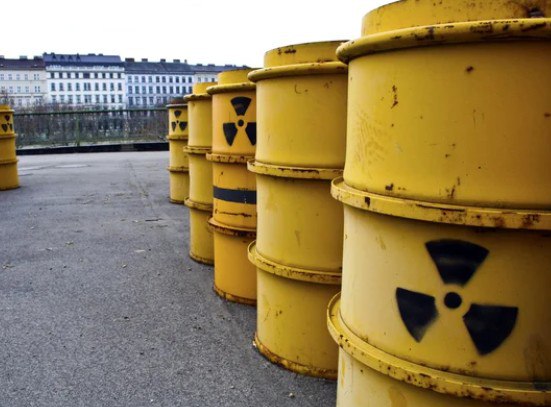
Kazakhstan plans to establish disposal sites for radioactive waste from its nuclear power plants at the former Semipalatinsk nuclear test site in the eastern part of the country, Deputy Chairman of the Atomic Energy Agency Gumar Sergazin announced during a briefing in Astana. Sergazin stated that the operation of two 1,200 MW reactors, similar to those under construction at the country’s first nuclear power plant in the Almaty region, will produce approximately 50 cubic meters of radioactive waste annually. Burial in the Semipalatinsk Zone A new bill on radioactive waste management, presented to parliament this week, outlines plans to develop burial sites within the Semipalatinsk nuclear safety zone. “This is already a contaminated area: the total area of the site is 18,000 square kilometers, of which about 8,300 are zones of elevated radiation,” Sergazin said. The National Nuclear Center is scheduled to begin site preparation in 2026. The depth of burial will depend on groundwater levels, with international norms typically placing high-level waste at depths of up to 400 meters. “Sanitary requirements will determine technical standards, including the type of cement and sealing techniques to prevent radiation leakage. Liquid radioactive waste will not be buried,” he clarified. Sergazin emphasized that the Semipalatinsk site will serve as a centralized repository for waste from all future nuclear power plants in Kazakhstan. He also noted that radioactive waste is already present in the country, even in the absence of operational nuclear power stations. Scale and Sources of Radioactive Waste Kazakhstan has accumulated approximately 293 million cubic meters of radioactive waste to date, of which 290 million cubic meters are low-level waste, Sergazin said. “The majority, about 237 million cubic meters, is located at the Semipalatinsk test site,” he noted. The remaining waste, consisting of medium and high-level material, originates from industrial and scientific operations. Key contributors include the National Nuclear Center, the Institute of Nuclear Physics, the Ulba Metallurgical Plant in East Kazakhstan region, and facilities in Western Kazakhstan such as Koshkar-Ata and the Chemical and Hydrometallurgical Plant. The agency estimates that safe disposal of liquid radioactive waste alone will require around $40 million. Funding and International Participation Given the scale and cost of the project, Kazakhstan intends to secure international grant funding. Sergazin confirmed that negotiations have begun with the European Bank for Reconstruction and Development. A draft agreement and roadmap have already been prepared as part of the Central Asia Environmental Safety Program. “Participating countries are expected to provide grant-based funding. Adoption of the new legislation will establish the legal foundation necessary to attract external resources, avoiding the need for increased domestic budget spending,” he said. Previously, The Times of Central Asia reported that Kazakhstan’s first nuclear power plant is slated for construction by the Russian state corporation Rosatom by 2035, while the second and third plants are expected to be built with the involvement of China National Nuclear Corporation (CNNC).

Kyrgyzstan Intends to Join International Conventions on Nuclear Safety

The Kyrgyz Parliament is reviewing legislation on the country’s accession to two pivotal international agreements concerning nuclear and radiological safety: the Convention on Assistance in the Case of a Nuclear Accident or Radiological Emergency, and the Convention on Early Notification of a Nuclear Accident. Both conventions were adopted in Vienna in 1986 in response to the Chornobyl disaster and established frameworks for international cooperation during radiation emergencies. The legislative initiative was prompted by concerns raised by the Ministry of Natural Resources, Ecology, and Technical Supervision regarding the risks posed by radioactive materials used in industry and medicine. Presenting the draft bills to parliament, Deputy Minister Asel Raimkulova underscored the necessity of safeguarding public health and the environment. “Ensuring the safety of people and protecting nature from radiation threats are of paramount importance,” Raimkulova stated. According to the ministry, joining these conventions would grant Kyrgyzstan access to timely information on radiation incidents occurring abroad, as well as technical and expert assistance from international agencies. It would also facilitate closer collaboration with other countries in radiation safety, monitoring, and emergency response. Hazardous Legacy: Radioactive Waste Sites A further rationale for accession lies in the legacy of toxic and radioactive waste across Kyrgyzstan. The Ministry of Emergency Situations reports 92 hazardous waste sites nationwide, including 23 uranium tailings ponds. The remaining sites contain materials such as heavy metals, cyanides, and other toxic substances. Building Capacity Through International Training In an effort to bolster domestic capabilities, a recent radiological safety training session was held in Bishkek with the involvement of experts from the U.S. Department of Energy. The training was attended by personnel from the Ministry of Natural Resources, Ministry of Internal Affairs, Ministry of Emergency Situations, and customs agencies. Participants received both theoretical and practical instruction on radiological threat assessments, facility protection, and emergency response protocols.