
• KGS/USD = 0.01144 0%
  • KZT/USD = 0.00204 0%
  • TJS/USD = 0.10422 -0.1%
  • UZS/USD = 0.00008 0%
  • TMT/USD = 0.28490 -0.28%
  • KGS/USD = 0.01144 0%
  • KZT/USD = 0.00204 0%
  • TJS/USD = 0.10422 -0.1%
  • UZS/USD = 0.00008 0%
  • TMT/USD = 0.28490 -0.28%
  • KGS/USD = 0.01144 0%
  • KZT/USD = 0.00204 0%
  • TJS/USD = 0.10422 -0.1%
  • UZS/USD = 0.00008 0%
  • TMT/USD = 0.28490 -0.28%
  • KGS/USD = 0.01144 0%
  • KZT/USD = 0.00204 0%
  • TJS/USD = 0.10422 -0.1%
  • UZS/USD = 0.00008 0%
  • TMT/USD = 0.28490 -0.28%
  • KGS/USD = 0.01144 0%
  • KZT/USD = 0.00204 0%
  • TJS/USD = 0.10422 -0.1%
  • UZS/USD = 0.00008 0%
  • TMT/USD = 0.28490 -0.28%
  • KGS/USD = 0.01144 0%
  • KZT/USD = 0.00204 0%
  • TJS/USD = 0.10422 -0.1%
  • UZS/USD = 0.00008 0%
  • TMT/USD = 0.28490 -0.28%
  • KGS/USD = 0.01144 0%
  • KZT/USD = 0.00204 0%
  • TJS/USD = 0.10422 -0.1%
  • UZS/USD = 0.00008 0%
  • TMT/USD = 0.28490 -0.28%
  • KGS/USD = 0.01144 0%
  • KZT/USD = 0.00204 0%
  • TJS/USD = 0.10422 -0.1%
  • UZS/USD = 0.00008 0%
  • TMT/USD = 0.28490 -0.28%

Viewing results 1 - 6 of 6

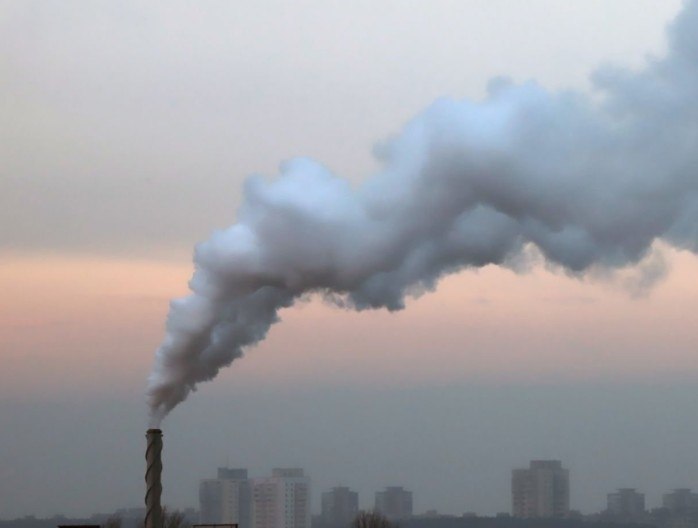
Uzbekistan Introduces Incentives for Major Industrial Polluters to Reduce Environmental Impact

Uzbekistan’s government has approved new measures aimed at encouraging large industrial enterprises to reduce their environmental footprint. Resolution No. 85 establishes regulations to incentivize environmental impact reduction efforts by industrial enterprises classified as Category I and Category II facilities based on their level of environmental impact. These categories include enterprises considered to have significant or moderate effects on the natural environment. Under the new framework, incentives will be introduced in two stages. At the first stage, an enterprise that installs a background air pollution monitoring station will be eligible for relief from previously assessed outstanding compensation payments for environmental damage. In addition, 50% of compensation payments allocated to the state budget for environmental harm will be refunded over a two-year period. At the second stage, if the enterprise installs dust and gas cleaning equipment as well as local wastewater treatment facilities within one year after commissioning the monitoring station, 70% of the compensation payments directed to the state budget will be refunded over two years. Enterprises seeking to benefit from these incentives must notify the Ecology Committee through Public Service Centers or via the government’s online portal. The committee will review submitted documentation within 15 working days and issue a formal conclusion on whether the enterprise qualifies for state support. The Times of Central Asia previously reported, that more than a dozen valuable trees were cut down at the construction site of the Ritz-Carlton Tashkent project in central Tashkent. Environmental damage in that case was officially assessed at 351,230,000 Uzbek sum (approximately $29,000), according to documentation cited by officials.
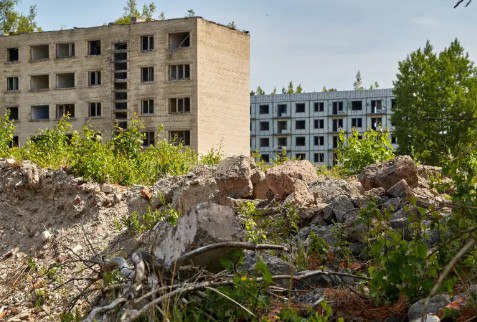

Kazakhstan’s Rust Belt: Why Modernized Power Plants Aren’t Stopping Urban Decline

The onset of winter in 2025 served as a stress test for Kazakhstan’s industrial north, and by most measures, the country passed. After high-profile heating system failures in cities such as Ekibastuz and Ridder in previous years, when entire neighborhoods were left without heat in temperatures as low as minus 30 degrees Celsius, the authorities were forced to move beyond piecemeal repairs toward large-scale emergency interventions. The state invested unprecedented resources into overhauling heating networks and modernizing thermal power plants in single-industry cities and smaller industrial settlements across the region. Significant budget allocations helped stabilize the most vulnerable infrastructure. Emergency repair calls gave way to routine updates from local authorities, and utility breakdowns shifted from the realm of crisis to that of manageable risk. By this winter, the basic issue of urban survival had been resolved. For regions with aging infrastructure and high industrial dependency, this marked a crucial transition from systemic failure to fragile stability. The Future Votes with Its Feet Yet behind the upgraded pipes and boilers lies a deeper structural issue. Cities such as Ekibastuz, Rudny, Temirtau, Balkhash, and many others were pillars of Soviet-era industrialization. In today’s market-driven Kazakhstan, many are rapidly losing both economic relevance and population. The term “rust belt,” borrowed from post-industrial regions of the United States, has increasingly entered national discourse. While the state focuses on fixing infrastructure, residents are asking a more fundamental question: do these industrial cities have a future? The answer, many argue, lies not in kilometers of new piping but in people, and the data is clear. Single-industry cities are aging and shrinking. Even where wages exceed 1,200 dollars per month, well above the national average, young people are still leaving. The issue is less about income than about quality of life. A stable job is no longer enough for younger generations. They also want livable cities, modern schools, safety, leisure opportunities, and green spaces, amenities these places often lack. As a result, migration from northern and eastern regions to Astana and Almaty continues, fueling an imbalance. The megacities are overstretched, while industrial cities face growing labor shortages. Exceptions to the Rule Amid the general decline, the city of Saran in the Karaganda Region stands out as a rare success story. Just a decade ago, it was a struggling mining city facing significant population outflow. Today, it is a flagship of Kazakhstan’s single-industry city revitalization program. Saran’s turnaround hinged on radical economic diversification. The establishment of an industrial zone and the arrival of new anchor investors not tied to coal mining fundamentally changed the employment landscape. The launch of the KamaTyresKZ plant, along with household appliance manufacturers and the QazTehna bus assembly plant, has stimulated both economic and social development. Authorities now point to Saran as proof that a single-industry city can transition into a manufacturing hub under the right conditions. However, its success is also attributed to unique logistical advantages, notably proximity to Karaganda and substantial state support. Replicating the Saran effect in more remote cities such as...