
• KGS/USD = 0.01143 0%
  • KZT/USD = 0.00202 0%
  • TJS/USD = 0.10599 -0.19%
  • UZS/USD = 0.00008 0%
  • TMT/USD = 0.28575 0%
  • KGS/USD = 0.01143 0%
  • KZT/USD = 0.00202 0%
  • TJS/USD = 0.10599 -0.19%
  • UZS/USD = 0.00008 0%
  • TMT/USD = 0.28575 0%
  • KGS/USD = 0.01143 0%
  • KZT/USD = 0.00202 0%
  • TJS/USD = 0.10599 -0.19%
  • UZS/USD = 0.00008 0%
  • TMT/USD = 0.28575 0%
  • KGS/USD = 0.01143 0%
  • KZT/USD = 0.00202 0%
  • TJS/USD = 0.10599 -0.19%
  • UZS/USD = 0.00008 0%
  • TMT/USD = 0.28575 0%
  • KGS/USD = 0.01143 0%
  • KZT/USD = 0.00202 0%
  • TJS/USD = 0.10599 -0.19%
  • UZS/USD = 0.00008 0%
  • TMT/USD = 0.28575 0%
  • KGS/USD = 0.01143 0%
  • KZT/USD = 0.00202 0%
  • TJS/USD = 0.10599 -0.19%
  • UZS/USD = 0.00008 0%
  • TMT/USD = 0.28575 0%
  • KGS/USD = 0.01143 0%
  • KZT/USD = 0.00202 0%
  • TJS/USD = 0.10599 -0.19%
  • UZS/USD = 0.00008 0%
  • TMT/USD = 0.28575 0%
  • KGS/USD = 0.01143 0%
  • KZT/USD = 0.00202 0%
  • TJS/USD = 0.10599 -0.19%
  • UZS/USD = 0.00008 0%
  • TMT/USD = 0.28575 0%
14 February 2026

Viewing results 1 - 6 of 4

Kazakhstan Responds to Claims It Has Abandoned Ethnic Kazakhs in Afghanistan

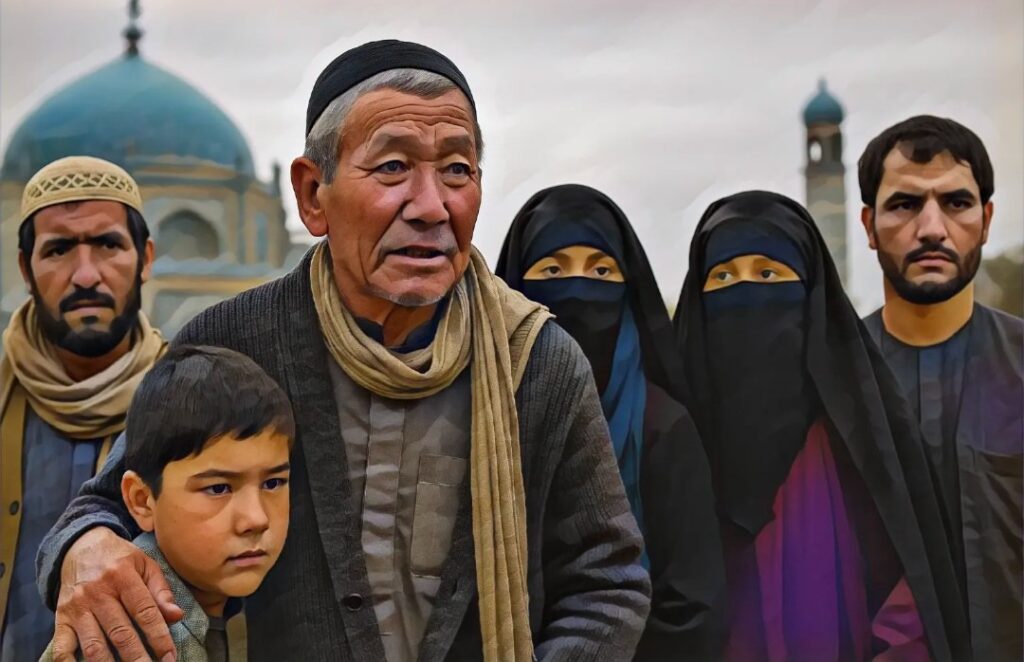
Recent claims circulating on social media have accused the Kazakh government of abandoning ethnic Kazakhs in Afghanistan, with posts often alleging that thousands of Kazakhs have been left to fend for themselves, painting an emotionally charged but factually questionable picture. The Times of Central Asia set out to verify these claims and found a far more complex reality. Historical Background Kazakh migration to Afghanistan dates back over a century. In the late 19th and early 20th centuries, some groups of Kazakhs arrived via Xinjiang, China. Later waves followed during the 1930s, prompted by famine and Stalinist repression in the USSR. Some speculate that early migrants may have included supporters of Kenesary Khan, but this remains the subject of academic debate. While there are no official Afghan census records, estimates suggest that by the mid-20th century, the number of Kazakhs in Afghanistan may have reached 20,000-24,000. However, the repatriation programs of the 1990s drastically reduced these numbers. Since Kazakhstan’s independence, approximately 13,000 Kazakhs have returned from Afghanistan, part of a broader national effort that has repatriated over 1.15 million ethnic Kazakhs from abroad. Even after the Taliban takeover, repatriation efforts continued. In September 2021, for example, 35 ethnic Kazakhs were airlifted to Kazakhstan on a specially arranged flight. Disputed Numbers According to Kazakhstan’s Foreign Ministry and as confirmed by its embassy in Kabul, the number of ethnic Kazakhs remaining in Afghanistan is about 200 people, or roughly 15 families. In contrast, some self-proclaimed “cultural centers” and online activists claim there are “thousands” of families, with some estimates as high as 3,600 people. These figures are not substantiated by either official data or independent research. Verifying Ethnic Identity The Kazakh embassy in Kabul maintains contact with community representatives to track and verify the status of ethnic Kazakhs. Yet, confirming identities is a serious challenge in Afghanistan due to the absence of a comprehensive population registry. Since 2018, Afghan identity cards (e-Tazkira) have included a “nationality” field, but filling it is optional and based primarily on self-declaration or statements by local elders. This system is vulnerable to manipulation. The embassy reports cases where individuals from other ethnic backgrounds have falsely identified as Kazakh in the hope of qualifying for repatriation programs. Additional complications include limited access to remote provinces, weak administrative oversight, and security concerns. The embassy thus relies on field visits, trusted local contacts, and cautious verification to produce its population estimates. Mixed Marriages and Assimilation One of the biggest challenges in identification is interethnic marriage. Over the decades, many Kazakhs in Afghanistan have assimilated into surrounding Uzbek, Turkmen, or Tajik communities. Many no longer speak Kazakh, and identity is maintained through fragmentary knowledge of family genealogies (shezhire), often insufficient for verification. The embassy also raised concerns about “disputed applicants”, individuals attempting to exploit Kazakhstan’s earlier, more lenient kandastar (ethnic repatriation) policy. In the absence of rigorous documentation, ethnicity in Afghanistan has often been based on verbal claims, creating openings for abuse and corruption. Why Not Use DNA? Some social media users...

Only Turkmen Names Allowed

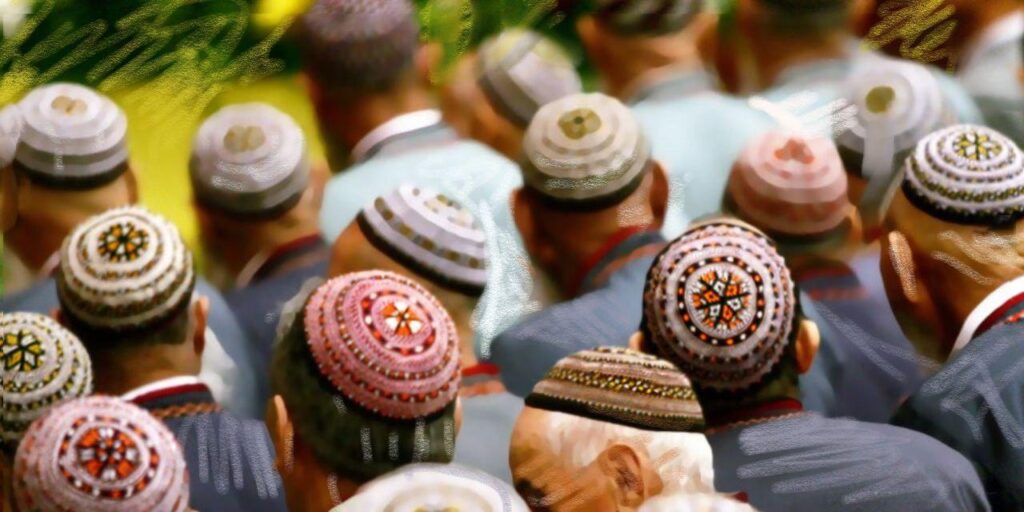
Ethnic minorities in Turkmenistan are reportedly being told they must give their newborn children tradition Turkmen names. The process of “Turkmenization” has been underway in Turkmenistan for many years, but until recently it had not affected the proper names of non-Turkmen citizens. According to a recent report from Radio Free Europe/Radio Liberty’s Turkmen service, known locally as Azatlyk, officials in the eastern Lebap Province were previously urging the Uzbek and Tajik communities in the province to give their newborns Turkmen names. Now this is no longer a suggestion, but a requirement. Lebap borders Uzbekistan. Many Uzbeks and Tajiks lived in this area long before Soviet mapmakers finally drew borders that after the collapse of the USSR in late 1991 became the frontier of Turkmenistan and Uzbekistan. Turkmenistan for Turkmen [caption id="attachment_30930" align="aligncenter" width="1115"] stat.gov.tm[/caption] The credibility of official statistics from the Turkmen government has been called into question many times over the years, and the size and ethnic make-up of the population are no exception. According to the most recent census figures (released in 2023), Turkmenistan’s population is just over seven million people, though the real figure is almost certainly less than that, and could be as low as four or five million. Turkmenistan has been experiencing significant economic problems for some ten years, and many citizens have left the country. For example, as of December 2024, more than 205,000 Turkmen citizens are officially registered as living In Turkey, and that figure could be three times higher or more, including those Turkmen citizens who are illegally residing there. The census released by the Turkmen authorities lists the populations of 14 specific ethnic minority groups. Roughly one million Turkmen citizens are ethnic minorities. The top three are Uzbeks, numbering 642,476, Russians, 114,447, and Baluch, 87,503. These figures might be lower soon, however, at least officially. Authorities in Lebap are also reportedly recommending people from non-Turkmen groups give their nationality as Turkmen in their documents. Being an ethnic Turkmen matters when seeking employment in Turkmenistan, so there is an added incentive for minorities to claim they are Turkmen in official documents. Turkmenistan would not be the first country in Central Asia to have rules on naming newborns. Authorities in Tajikistan banned children from being given foreign names some eight years ago. The Language and Terminology Committee of Tajikistan’s Academy of Science produced a list of more than 3,000 approved Tajik names for children; however, that rule applies only to ethnic Tajiks. Minority groups in Tajikistan are free to name their children as they wish. Azatlyk reports that the authorities are also warning ethnic Turkmen about giving their children non-Turkmen names. Turkish names were becoming popular among Turkmen in Turkmenistan, and some Turkmen families living near Uzbekistan were giving their children Uzbek names. The difficulties in obtaining information from Turkmenistan make it difficult to know if the naming policy being enforced in Lebap exists in other parts of the country. Turkmenistan’s government has, to the greatest extent possible, sealed the country off from...