
• KGS/USD = 0.01144 0%
  • KZT/USD = 0.00201 0%
  • TJS/USD = 0.10515 -0.09%
  • UZS/USD = 0.00008 0%
  • TMT/USD = 0.28571 0.28%
  • KGS/USD = 0.01144 0%
  • KZT/USD = 0.00201 0%
  • TJS/USD = 0.10515 -0.09%
  • UZS/USD = 0.00008 0%
  • TMT/USD = 0.28571 0.28%
  • KGS/USD = 0.01144 0%
  • KZT/USD = 0.00201 0%
  • TJS/USD = 0.10515 -0.09%
  • UZS/USD = 0.00008 0%
  • TMT/USD = 0.28571 0.28%
  • KGS/USD = 0.01144 0%
  • KZT/USD = 0.00201 0%
  • TJS/USD = 0.10515 -0.09%
  • UZS/USD = 0.00008 0%
  • TMT/USD = 0.28571 0.28%
  • KGS/USD = 0.01144 0%
  • KZT/USD = 0.00201 0%
  • TJS/USD = 0.10515 -0.09%
  • UZS/USD = 0.00008 0%
  • TMT/USD = 0.28571 0.28%
  • KGS/USD = 0.01144 0%
  • KZT/USD = 0.00201 0%
  • TJS/USD = 0.10515 -0.09%
  • UZS/USD = 0.00008 0%
  • TMT/USD = 0.28571 0.28%
  • KGS/USD = 0.01144 0%
  • KZT/USD = 0.00201 0%
  • TJS/USD = 0.10515 -0.09%
  • UZS/USD = 0.00008 0%
  • TMT/USD = 0.28571 0.28%
  • KGS/USD = 0.01144 0%
  • KZT/USD = 0.00201 0%
  • TJS/USD = 0.10515 -0.09%
  • UZS/USD = 0.00008 0%
  • TMT/USD = 0.28571 0.28%
27 February 2026

Viewing results 1 - 6 of 4

Tajikistan Struggles to Fund Cleanup of Soviet-Era Uranium Waste

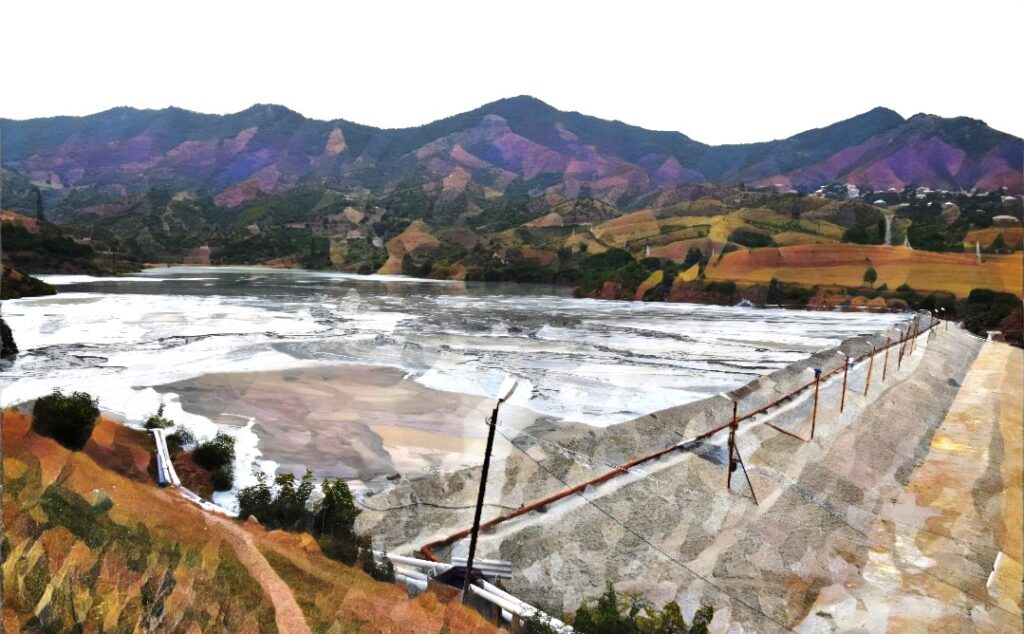
Tajikistan continues to grapple with the extensive environmental legacy of the Soviet-era uranium industry. Tens of millions of tons of radioactive waste still pose serious risks to human health and the environment. Addressing this legacy will require hundreds of millions of dollars and sustained international support. Uranium mining in Tajikistan began in the 1940s in areas including Taboshar, Adrasman, and nearby settlements. After mining operations were shut down, the country was left with abandoned mines, underground tunnels, and extensive tailings ponds containing more than 55 million tons of radioactive waste across an area exceeding 170 hectares. In 2023, partial rehabilitation work was completed in Taboshar, where 7.6 million tons of waste, representing 17.5 percent of the total, were remediated. The Tajik government has agreed to continue cooperation with Russia, which is expected to allocate approximately $17 million for the reclamation of selected facilities. However, the most hazardous areas remain unaddressed. These include early-stage Taboshar tailings ponds, underground workings, and the Degmai complex. International consultants Wismut GmbH, WISUTEC GmbH, and GEOS estimate that restoring the Taboshar facilities will require approximately $9.5 million, while reclamation of the Degmai tailings pond is expected to cost about $27 million. All of these sites are included in the International Atomic Energy Agency master plan and have been designated as funding priorities. Progress remains slow, largely due to limited financial resources. Despite some external support, current funding levels fall far short of what is required. To date, only 17 percent of contaminated sites have been decontaminated. The European Bank for Reconstruction and Development special environmental rehabilitation account for Central Asia has yet to become fully operational. In 2025, the government approved a national rehabilitation program covering the 2025 to 2030 period. The plan includes legislative updates, project design, implementation, and ongoing monitoring. Preliminary estimates suggest Tajikistan will need more than $110 million by 2030 to complete its remediation objectives. Given the scale of the required investment, international financing remains essential. Tajikistan is working to transform its uranium legacy into a manageable and transparent project, but without sustained international partnership, the challenge is unlikely to be resolved.


EBRD Projects Central Asia Economies 2025 Growth at 6.1%

The European Bank for Reconstruction and Development (EBRD) projects that the economies of Kazakhstan, the Kyrgyz Republic, Mongolia, Tajikistan, Turkmenistan, and Uzbekistan will grow by an average of 6.1% in 2025. According to the EBRD, the region’s momentum is being driven by strong industrial output, robust domestic demand, higher investment, rising wages, and continued remittance inflows. In 2026, growth is expected to remain positive but moderate to 5.2%. The report warns, however, that volatility in commodity prices, reliance on remittances, and dependence on Russian and Chinese markets pose ongoing risks to stability. Kazakhstan, Central Asia’s largest economy, is forecast to expand by 5.7% in 2025. Growth has been fueled by increased oil production at the Tengiz field, which boosted industrial activity and wholesale trade. The construction sector grew by 18.4% in the first half of the year, reflecting large infrastructure projects and residential development. Even so, the EBRD cautions that over-reliance on Russian transit routes and global commodity fluctuations could slow growth to 4.5% in 2026. The Kyrgyz Republic is projected to remain one of the region’s fastest-growing economies, with GDP expected to rise by 9.0% in 2025. The economy expanded by 11.4% in the first half of the year, supported by strong public investment, remittance inflows, and rising wages. Manufacturing, trade, and construction are key drivers, while tourism is growing through new investments. Growth is forecast to ease to 6.0% in 2026 but is expected to remain resilient unless remittance flows decline. Mongolia’s economy is expected to grow by 5.8% in 2025. A 35.6% rebound in agriculture after two difficult years helped offset slower mining activity and weaker coal prices, while copper production increased. Tajikistan’s economy grew by 8.1% in the first half of 2025, driven by trade, agriculture, transport, and a doubling of mining output. Remittances rose by 64%, and sharp wage growth boosted household consumption. The EBRD forecasts GDP growth of 7.5% in 2025, moderating to 5.7% in 2026. Continued support from international institutions such as the World Bank and IMF is expected to sustain growth, although reliance on remittances remains a structural vulnerability. Turkmenistan is projected to grow by 6.3% in both 2025 and 2026, supported by trade, transport, services, and construction. Official data show capital investment up 15.6% year on year. Uzbekistan’s economy is expected to expand by 6.7% in 2025, backed by strong domestic demand, rising wages, and a 28.7% increase in remittances. Services grew by more than 8%, while industrial output was buoyed by high gold prices and stronger manufacturing in food and metals. Growth is projected to ease slightly to 6.0% in 2026 but will remain supported by diversified manufacturing and stable foreign investment.