
• KGS/USD = 0.01144 0%
  • KZT/USD = 0.00201 0%
  • TJS/USD = 0.10448 -0.19%
  • UZS/USD = 0.00008 0%
  • TMT/USD = 0.28490 0%
  • KGS/USD = 0.01144 0%
  • KZT/USD = 0.00201 0%
  • TJS/USD = 0.10448 -0.19%
  • UZS/USD = 0.00008 0%
  • TMT/USD = 0.28490 0%
  • KGS/USD = 0.01144 0%
  • KZT/USD = 0.00201 0%
  • TJS/USD = 0.10448 -0.19%
  • UZS/USD = 0.00008 0%
  • TMT/USD = 0.28490 0%
  • KGS/USD = 0.01144 0%
  • KZT/USD = 0.00201 0%
  • TJS/USD = 0.10448 -0.19%
  • UZS/USD = 0.00008 0%
  • TMT/USD = 0.28490 0%
  • KGS/USD = 0.01144 0%
  • KZT/USD = 0.00201 0%
  • TJS/USD = 0.10448 -0.19%
  • UZS/USD = 0.00008 0%
  • TMT/USD = 0.28490 0%
  • KGS/USD = 0.01144 0%
  • KZT/USD = 0.00201 0%
  • TJS/USD = 0.10448 -0.19%
  • UZS/USD = 0.00008 0%
  • TMT/USD = 0.28490 0%
  • KGS/USD = 0.01144 0%
  • KZT/USD = 0.00201 0%
  • TJS/USD = 0.10448 -0.19%
  • UZS/USD = 0.00008 0%
  • TMT/USD = 0.28490 0%
  • KGS/USD = 0.01144 0%
  • KZT/USD = 0.00201 0%
  • TJS/USD = 0.10448 -0.19%
  • UZS/USD = 0.00008 0%
  • TMT/USD = 0.28490 0%

Viewing results 1 - 6 of 6

Kyrgyzstan Increases Excise Taxes on Alcohol and Sweetened Beverages

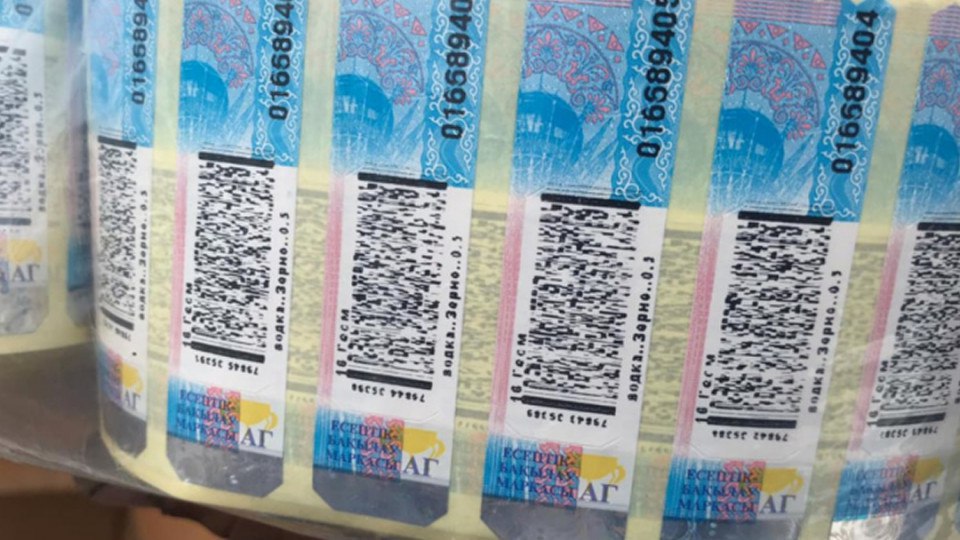
The Kyrgyz Cabinet of Ministers has approved a rise in excise tax rates on alcoholic beverages and sugar-containing drinks, including children's juices, as part of a broader phased tax reform strategy According to the State Tax Service (STS), the adjustments are part of a long-term initiative that will continue incrementally through the end of the decade. The excise tax on vodka and spirits has increased from approximately $1.8 to $2.2 per liter, with an additional annual increase of about $0.2 expected in the coming years. Rates for other alcoholic beverages have also been revised: Wine: increased by approximately $0.05 per liter (now around $0.2) Cognac: increased by about $0.4 per liter (now about $1.6) Beer: increased by roughly $0.03 per liter (now approximately $0.2) The tax agency highlighted that the changes are being implemented gradually to mitigate potential inflationary effects on retail prices. Officials stated that the reform has a social dimension, aiming to curb consumption of products deemed harmful to public health. In the first 11 months of last year, Kyrgyzstan collected approximately $228.5 million in excise tax revenues. Of that total, around $55 million came from domestically produced goods, including $38.8 million from alcohol sales. New Tax Introduced on Sugar-Containing Beverages The reform also introduces an excise tax on sugar-containing beverages for the first time, including products previously classified as baby food. Previously, such items were exempt, leading to regulatory loopholes. The STS explained that some manufacturers registered sweetened beverages as baby food to avoid excise duties, creating unfair competition in the market. To close this gap, all sugar-containing beverages, including children’s juices, will now be taxed at a minimum rate of about $0.03 per liter. Given the typically small packaging sizes, authorities estimate the retail price increase per unit will be modest, approximately $0.01. The reform reflects a growing regional trend of leveraging fiscal policy to discourage unhealthy consumption habits while generating revenue for public spending.

Alcohol and Tobacco Lead Kyrgyzstan’s Excise Tax Revenues

Alcohol and tobacco products continue to be the primary sources of excise tax revenue for Kyrgyzstan’s state budget, according to the Ministry of Finance’s final report on budget revenues for the first 11 months of 2025. The report highlights excise taxes as one of the most stable and predictable sources of state income. From January through November 2025, total excise tax revenues exceeded $222 million. Alcohol producers remain the top contributors. During the reporting period, they transferred $38 million to the budget. Vodka producers accounted for the largest share at $25.5 million, while breweries contributed approximately $9.4 million. Producers of brandy, wine, and other alcoholic beverages paid significantly less. As a result, the alcohol sector continues to lead all industries in excise tax contributions. Despite reduced domestic production, tobacco companies dominate excise revenues from imports. In the same period, excise taxes on tobacco products imported from Eurasian Economic Union (EAEU) countries brought in $101 million, with an additional $4.4 million from imports originating outside the EAEU. Revenue is no longer limited to traditional cigarettes. The report notes contributions from heated tobacco products and electronic cigarettes. While their current share remains modest, steady annual growth in excise payments for these categories points to shifting consumer habits. Kyrgyz authorities consider excise taxes on alcohol and tobacco not only a fiscal mechanism, but also a tool of social policy. Gradual increases in tax rates are intended to simultaneously boost revenue and, according to government projections, reduce consumption of harmful products. The state's role in the alcohol sector warrants particular attention. In early 2023, the country’s largest alcohol producer, Ayu, along with its distilleries and vodka factories, was voluntarily transferred to state ownership. Since then, smaller industry players have voiced concern that the government may incrementally tighten its grip on the sector and effectively establish a monopoly. Overall, the data confirm that so-called “harmful” goods, alcohol and tobacco, remain the most lucrative sources of excise tax revenue for the Kyrgyz budget.