• KGS/USD = 0.01144 0%
  • KZT/USD = 0.00217 0%
  • TJS/USD = 0.10625 -0.28%
  • UZS/USD = 0.00008 0%
  • TMT/USD = 0.28530 0%
  • KGS/USD = 0.01144 0%
  • KZT/USD = 0.00217 0%
  • TJS/USD = 0.10625 -0.28%
  • UZS/USD = 0.00008 0%
  • TMT/USD = 0.28530 0%
  • KGS/USD = 0.01144 0%
  • KZT/USD = 0.00217 0%
  • TJS/USD = 0.10625 -0.28%
  • UZS/USD = 0.00008 0%
  • TMT/USD = 0.28530 0%
  • KGS/USD = 0.01144 0%
  • KZT/USD = 0.00217 0%
  • TJS/USD = 0.10625 -0.28%
  • UZS/USD = 0.00008 0%
  • TMT/USD = 0.28530 0%
  • KGS/USD = 0.01144 0%
  • KZT/USD = 0.00217 0%
  • TJS/USD = 0.10625 -0.28%
  • UZS/USD = 0.00008 0%
  • TMT/USD = 0.28530 0%
  • KGS/USD = 0.01144 0%
  • KZT/USD = 0.00217 0%
  • TJS/USD = 0.10625 -0.28%
  • UZS/USD = 0.00008 0%
  • TMT/USD = 0.28530 0%
  • KGS/USD = 0.01144 0%
  • KZT/USD = 0.00217 0%
  • TJS/USD = 0.10625 -0.28%
  • UZS/USD = 0.00008 0%
  • TMT/USD = 0.28530 0%
  • KGS/USD = 0.01144 0%
  • KZT/USD = 0.00217 0%
  • TJS/USD = 0.10625 -0.28%
  • UZS/USD = 0.00008 0%
  • TMT/USD = 0.28530 0%

Viewing results 1 - 6 of 24

Kyrgyzstan’s Health Ministry Proposes Higher Taxes on Sugary Drinks and Salty Foods to Protect Public Health

Kyrgyzstan’s Ministry of Health has proposed reforms to the country’s excise tax system targeting sugar-sweetened beverages and foods with high salt content in an effort to reduce their consumption and improve public health. The proposal was discussed on March 9 at a meeting involving representatives of the Ministry of Economy and Commerce, the Ministry of Finance, the State Tax Service, the Ministry of Agriculture, the World Health Organization (WHO), UNICEF, and leading business associations. Currently, Kyrgyzstan applies a uniform excise tax of 3 soms (about $0.03) per liter on sugar-sweetened non-alcoholic beverages, regardless of their sugar content. The Ministry of Health proposes introducing a differentiated excise tax system in which the rate would depend on the amount of sugar in a beverage: Up to 5 grams of sugar per 100 ml - 5 soms (about $0.06) per liter 5-8 grams per 100 ml - 7 soms (about $0.08) per liter 8-11 grams per 100 ml - 9 soms (about $0.10) per liter More than 11 grams per 100 ml - 11 soms (about $0.12) per liter Officials say the new structure would encourage manufacturers to reduce sugar content in beverages, promote healthier consumer habits, and decrease consumption of high-sugar products. The ministry also proposes introducing a fixed excise tax of 20 soms (about $0.20) per liter on energy drinks, citing their high levels of sugar and caffeine and the potential health risks they pose, particularly for adolescents. Authorities are also considering similar differentiated taxation for foods with high salt content, including fried and salty snacks such as chips, salted crackers, and similar products. The goal is to discourage excessive consumption of high-salt foods and reduce related health risks. Representatives of the World Health Organization and UNICEF have expressed support for the proposal. WHO representative Alina Altymyshova noted that similar measures are widely used around the world. According to her, 116 countries already apply various forms of taxation or regulation on foods and beverages high in sugar and salt to help prevent noncommunicable diseases and promote healthier diets. She also highlighted numerous international studies demonstrating the negative health impacts of regular consumption of sugary beverages, particularly among children and adolescents. Deputy Health Minister Temirbek Erkinov warned that unhealthy diets are becoming a growing public health challenge in Kyrgyzstan. According to data from the National Statistical Committee for 2023, about 9% of children in Kyrgyzstan, roughly one in eleven, are overweight. Other indicators highlight widespread unhealthy dietary habits: 75% of children aged 6-23 months consume unhealthy foods 78% regularly drink sugary beverages 16% do not consume fruits and vegetables daily More than 84,000 people in Kyrgyzstan are currently registered with diabetes, with the number increasing by 5,000 to 7,000 cases each year. “The issue of nutrition and related diseases is becoming one of the most serious challenges for the public health system,” Erkinov said. Health officials believe measures to reduce the consumption of foods high in sugar and salt should become an important tool in preventing noncommunicable diseases and improving the country’s...

Kyrgyzstan Launches Unified Digital Tax Platform

Almambet Shykmamatov, chairman of Kyrgyzstan’s State Tax Service (STS), has unveiled a new digital platform that consolidates all tax-related data into a single system. The automated tax analysis platform, Salyq Kuzot, enables online tracking of the tax status of every citizen and company operating in the country. According to Shykmamatov, tax officials previously had to manually collect data on tax payments, insurance contributions, and financial statements from multiple sources and agencies. With the launch of Salyq Kuzot, this information is now integrated into a unified system, significantly improving efficiency. During a demonstration of the system, the STS head showcased its functionality, including detailed reports on state budget revenues broken down by region, district, and city. The platform also allows for real-time identification of companies evading tax obligations. The launch of Salyq Kuzot comes amid a broader national effort to reduce bureaucracy across public administration. Since early last year, the National Institute for Strategic Studies of the Kyrgyz Republic (NISI) has led reforms aimed at streamlining citizens’ interactions with state institutions and improving the efficiency of government operations. As part of these reforms, redundant government bodies are being phased out. The National Statistical Committee of Kyrgyzstan, for example, has closed several regional offices, resulting in the layoff of approximately 100 employees. One of the most significant policy changes is a new regulation prohibiting ministries and agencies from requesting information directly from citizens if the data can be obtained through interagency cooperation. The measure is intended to speed up administrative processes and reduce the bureaucratic burden on the public.

Tax Reform in Kazakhstan Could Lead to Drug Shortages

Kazakhstan’s new tax policy has triggered concerns over potential disruptions in the supply of medicines and medical devices. Industry leaders warn that complexities in administering value-added tax (VAT), along with legal inconsistencies in the updated Tax Code, could destabilize the country's pharmaceutical market. Ruslan Sultanov, chairman of Kazakhstan’s Association of Pharmaceutical and Medical Product Manufacturers, raised concerns during an online meeting with government and business representatives. He said the changes have already led distributors to refuse purchases of several essential medicines. Last year, Kazakhstan adopted a new Tax Code that increased the VAT rate from 12% to 16%. It also introduced zero and reduced VAT rates for specific sectors. During parliamentary discussions, lawmakers proposed exempting essential medicines from VAT and reducing the tax burden on medical institutions.  Ultimately, authorities agreed to fully exempt more than 3,000 medicines purchased under the Guaranteed Volume of Free Medical Care (GVFMC) and Compulsory Social Health Insurance (CSHI) programs from VAT. However, Sultanov said these exemptions have not been sufficient to stabilize the market. According to him, the pharmaceutical sector is facing unprecedented administrative pressure. One of the most critical problems is the inconsistent taxation of medical devices procured under the GVFMC and CSHI frameworks. While medical services are completely exempt from VAT, a 5% VAT rate is still applied to medical devices. “As a result, hospitals are in a situation where they cannot offset the tax when purchasing medical equipment. After factoring in administrative costs, companies are losing 5-7%. This affects both domestic and foreign manufacturers,” Sultanov explained. The lack of clear guidance from government agencies has further complicated matters. Socially significant medicines, which were previously taxed at 5%, are now VAT-exempt but ambiguity around the new rules has led to widespread reluctance among distributors to place orders. “The confusion has created a bottleneck. For example, paracetamol is physically available in warehouses, but its movement is being blocked. Without timely clarification, we will face a shortage,” Sultanov warned. To resolve the issue, he proposed eliminating the fragmented VAT structure currently applied to the pharmaceutical sector. Sultanov also highlighted the risks associated with the under-declaration of customs values for imported drugs. He stated that customs officials continue to rely on outdated price data from a year ago, ignoring current market rates. This, combined with delays in approving maximum retail prices by the Ministry of Health, threatens the viability of long-term drug supply contracts signed before January 2026, particularly those involving medicines not produced domestically. His concerns are echoed by pharmacy industry leaders. Talgat Omarov, Chairman of the Kazakhstan Association of Independent Pharmacies, confirmed that the organization has submitted formal appeals to President Kassym-Jomart Tokayev and Senate leadership, calling for the complete exemption of the pharmaceutical sector from VAT, not just medications supplied under state programs. “Every day, customers come into pharmacies, see new price tags, complain, and leave. We hear this negativity constantly. Medicines are socially significant goods, and applying additional taxes in the current climate is dangerous,” Omarov said. To cope with increased taxes...

Kyrgyzstan Increases Excise Taxes on Alcohol and Sweetened Beverages

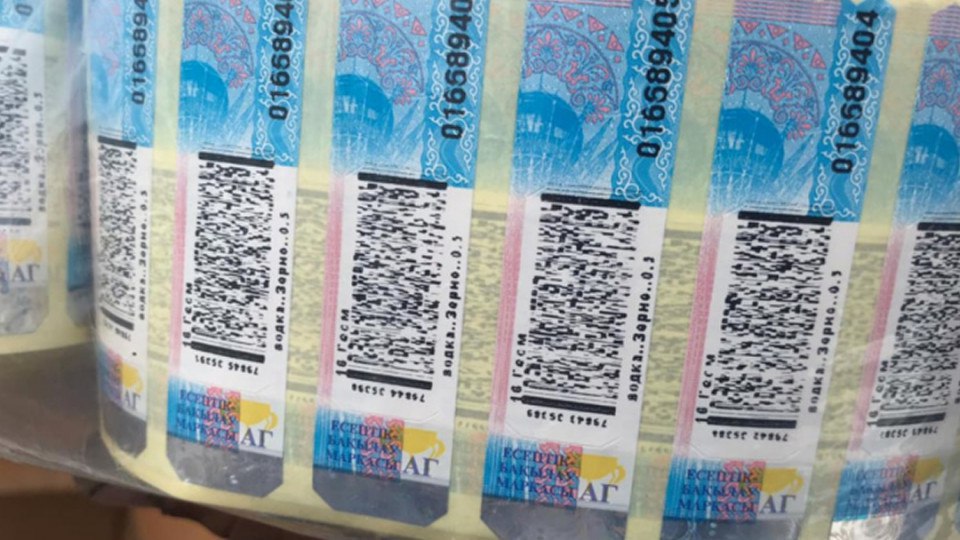
The Kyrgyz Cabinet of Ministers has approved a rise in excise tax rates on alcoholic beverages and sugar-containing drinks, including children's juices, as part of a broader phased tax reform strategy According to the State Tax Service (STS), the adjustments are part of a long-term initiative that will continue incrementally through the end of the decade. The excise tax on vodka and spirits has increased from approximately $1.8 to $2.2 per liter, with an additional annual increase of about $0.2 expected in the coming years. Rates for other alcoholic beverages have also been revised: Wine: increased by approximately $0.05 per liter (now around $0.2) Cognac: increased by about $0.4 per liter (now about $1.6) Beer: increased by roughly $0.03 per liter (now approximately $0.2) The tax agency highlighted that the changes are being implemented gradually to mitigate potential inflationary effects on retail prices. Officials stated that the reform has a social dimension, aiming to curb consumption of products deemed harmful to public health. In the first 11 months of last year, Kyrgyzstan collected approximately $228.5 million in excise tax revenues. Of that total, around $55 million came from domestically produced goods, including $38.8 million from alcohol sales. New Tax Introduced on Sugar-Containing Beverages The reform also introduces an excise tax on sugar-containing beverages for the first time, including products previously classified as baby food. Previously, such items were exempt, leading to regulatory loopholes. The STS explained that some manufacturers registered sweetened beverages as baby food to avoid excise duties, creating unfair competition in the market. To close this gap, all sugar-containing beverages, including children’s juices, will now be taxed at a minimum rate of about $0.03 per liter. Given the typically small packaging sizes, authorities estimate the retail price increase per unit will be modest, approximately $0.01. The reform reflects a growing regional trend of leveraging fiscal policy to discourage unhealthy consumption habits while generating revenue for public spending.

Are Kazakhstan’s Small Businesses Really Leaving Over Taxes?

As Kazakhstan prepares for tax reforms set to take effect in 2026, a new wave of panic has surfaced in the national discourse, one suggesting that small businesses are facing a stark choice: shut down or relocate to neighboring countries promising more favorable tax environments. This narrative has gained traction twice in the second half of 2025. The first wave came in mid-autumn, triggered by reports suggesting that Kazakhstani entrepreneurs were looking to move operations to Kyrgyzstan or Uzbekistan. These claims quickly spread across Kazakh social networks, particularly Threads. However, early signs indicated that the alarm was not being sounded by small businesses themselves, but by representatives of the B2B services sector, especially consultants and accountants. Media outlets amplified comments that stirred fear, reinforcing what increasingly appeared to be media-driven panic. One such moment came in late September when the Kazakhstan Association of Tax Consultants hosted a presentation by its chairman, Saken Karin, titled “Tax Reality 2026: Opportunities and Risks.” Karin warned that the proposed reforms would “tear apart the B2B and B2C sectors,” criticizing state approaches to tax administration. Even then, experts argued that large-scale relocation of Kazakhstani businesses made little practical sense. “Which Kazakhstani businesses can realistically relocate to Kyrgyzstan? Probably only IT companies, which are location-independent. Most SMEs in Almaty rely on the quasi-public sector or the domestic market, which is considerably larger and wealthier than that of our neighbors,” said financier Rassul Rysmambetov. The numbers back this up: in 2024, the economy of Almaty alone reached $60 billion, compared to Kyrgyzstan’s national GDP of approximately $17.5 billion. Despite this, a second wave of panic is now gaining momentum, this time shifting focus to Uzbekistan as a destination for potential business migration. Once again, social networks, particularly Threads, are amplifying the noise, citing interviews such as one with tax expert Maxim Baryshev, who praised the tax systems of Uzbekistan and Kyrgyzstan. Baryshev represents the professional accounting organization Uchet.kz. His colleague, Uchet.kz manager Timur Abiev, has previously spoken out against what he views as unfounded panic surrounding tax reform. Despite growing anxiety on social media, government officials have yet to launch a strong counter-narrative. This lack of response reinforces the idea that panic is being stoked by peripheral sectors rather than the business community itself. When Finance Minister Madi Takiev was asked about claims of a mass relocation of small businesses to neighboring countries, he dismissed them as unfounded. He argued that tax thresholds and turnover requirements in those countries are broadly comparable to Kazakhstan’s and noted that businesses relocating abroad would still be subject to domestic taxation if their economic center of interest remained in Kazakhstan, making such moves economically unviable. As for the accounting industry, its vocal opposition to reform may be tied to structural weaknesses. Kazakhstan’s accounting sector has been slow to adapt to changing demands and is struggling to train enough professionals to meet market needs. The number of established training institutions remains small. A recent government meeting focused on SME support included plans...

Most Kazakhstani Citizens Fear Decline in Living Standards Due to Tax Reform

A majority of Kazakhstanis expect a planned increase in value-added tax (VAT) to negatively impact their standard of living, triggering higher prices, rising unemployment, and increased pressure on businesses, according to a survey conducted by the DEMOSCOPE public opinion monitoring agency. The results show that 61.4% of respondents believe the VAT hike from 12% to 16% beginning January 1, 2026, will reduce their quality of life. Of those, 32.4% anticipate a significant decline, while 29% expect a slight deterioration. Meanwhile, 20.6% believe the change will have no impact, and just 9% believe it will improve their living standards. Government officials have framed the VAT increase as necessary to boost budget revenues, stabilize the economy, and finance social spending. However, respondents overwhelmingly believe the reform will primarily benefit the state (63.8%) and wealthy citizens (27.9%). In contrast, only 10.2% think businesses will benefit, while 3.3% expect gains for the middle class and just 2% for low-income citizens. Additionally, 19.2% said no one would benefit, and 2.4% believe everyone will benefit. Respondents also identified several expected negative outcomes. A majority, 65.5%, expect a rise in prices for goods and services. Another 27.3% predict a reduction in the number of small and medium-sized enterprises, 26.5% foresee rising unemployment, and 19.6% anticipate growth in the shadow economy and tax evasion. Among entrepreneurs, 70.5% view the reform negatively. The VAT hike is seen as particularly detrimental to small and medium-sized businesses: 63.6% believe it will harm the sector, 14.8% foresee no impact, and only 10.3% predict a positive outcome. Overall, 52.8% of respondents expressed a negative view of the reform, while 33.4% were neutral and just 7.8% were positive. Nevertheless, some respondents did see potential benefits: 18.2% believe the reform will increase tax revenues, and 9.4% think it will improve living standards. A further 12.6% said they expect no significant changes. The findings suggest that many Kazakhstani citizens view the tax reform as a policy that favors the government and affluent elites, while placing disproportionate pressure on businesses and vulnerable population groups. As previously reported by The Times of Central Asia, in early October, Finance Minister Mady Takiev stated that authorities had identified suspected underreporting of taxable income by more than 260,000 businesses across the country.