• KGS/USD = 0.01143 0%
  • KZT/USD = 0.00206 0%
  • TJS/USD = 0.10811 -0.18%
  • UZS/USD = 0.00008 0%
  • TMT/USD = 0.28571 0%
  • KGS/USD = 0.01143 0%
  • KZT/USD = 0.00206 0%
  • TJS/USD = 0.10811 -0.18%
  • UZS/USD = 0.00008 0%
  • TMT/USD = 0.28571 0%
  • KGS/USD = 0.01143 0%
  • KZT/USD = 0.00206 0%
  • TJS/USD = 0.10811 -0.18%
  • UZS/USD = 0.00008 0%
  • TMT/USD = 0.28571 0%
  • KGS/USD = 0.01143 0%
  • KZT/USD = 0.00206 0%
  • TJS/USD = 0.10811 -0.18%
  • UZS/USD = 0.00008 0%
  • TMT/USD = 0.28571 0%
  • KGS/USD = 0.01143 0%
  • KZT/USD = 0.00206 0%
  • TJS/USD = 0.10811 -0.18%
  • UZS/USD = 0.00008 0%
  • TMT/USD = 0.28571 0%
  • KGS/USD = 0.01143 0%
  • KZT/USD = 0.00206 0%
  • TJS/USD = 0.10811 -0.18%
  • UZS/USD = 0.00008 0%
  • TMT/USD = 0.28571 0%
  • KGS/USD = 0.01143 0%
  • KZT/USD = 0.00206 0%
  • TJS/USD = 0.10811 -0.18%
  • UZS/USD = 0.00008 0%
  • TMT/USD = 0.28571 0%
  • KGS/USD = 0.01143 0%
  • KZT/USD = 0.00206 0%
  • TJS/USD = 0.10811 -0.18%
  • UZS/USD = 0.00008 0%
  • TMT/USD = 0.28571 0%

Viewing results 1 - 6 of 88

Kyrgyzstan Rises to Third Place Globally in Gold Exports

Kyrgyzstan ranked third in the world for gold exports in the first quarter of 2025, selling 3.8 tons of the precious metal on the international market, according to data from the World Gold Council. Despite this export success, Kyrgyzstan’s official gold reserves remain among the lowest in Central Asia. The country holds 34.2 tons of gold, compared to Kazakhstan’s 290 tons and Uzbekistan’s 367 tons. Uzbekistan led global gold exports during the same period with nearly 15 tons sold, while Kazakhstan opted to bolster its reserves, adding 6.5 tons in the first three months of the year. However, figures from Kyrgyzstan’s National Bank tell a different story. In June 2025, National Bank Chairman Melis Turgunbaev told parliament that the country’s reserves had reached 52 tons. This suggests either a sharp two-month increase or a discrepancy between national and international reporting standards. “Our analysts monitor gold prices and market conditions daily. We buy or sell gold as needed, just like currency, that's one of the bank's core functions,” Turgunbaev explained. “Last year, we achieved substantial income through effective reserve management. The first five months of this year have also yielded strong results.” Members of parliament expressed satisfaction with the size of the country’s gold and foreign exchange reserves, which currently stand at an estimated $3.7 billion, exceeding Kyrgyzstan’s annual state budget. Kyrgyz mining operations produce approximately 20 tons of gold annually. A significant share of this output is exported, leaving domestic jewelers with limited access to raw materials. Sales channels include the London Commodity Exchange and buyers in Switzerland. The National Bank also offers measured gold bars for public purchase at a modest premium.

Uzbekistan’s Gold Exports Surge 55% in Early 2025, Reaching $6.49 Billion

Uzbekistan’s gold exports surged in the first five months of 2025, reaching $6.49 billion, a 54.8% increase compared to the same period in 2024, according to the National Statistics Committee. Gold now accounts for nearly 44% of the country’s total export revenues, up from $2.66 billion and 37.1% during the same period last year. The rise in gold exports reflects a combination of high global prices, hovering near record highs of around $3,000 per ounce and strong international demand for bullion. Analysts note that much of the growth occurred after February, contributing to a sharp uptick in trade revenue. A Strategic Export Commodity Uzbekistan remains one of the world’s top gold producers, largely due to massive operations such as the Muruntau mine, which in 2021 produced approximately 85,000 kg of gold. According to the World Gold Council, Uzbekistan produced 119.6 tonnes of gold in 2023, ranking tenth globally. Gold plays a pivotal role in Uzbekistan’s economy, generating significant export earnings and bolstering foreign currency reserves. It remains a central pillar of the country’s trade strategy and monetary policy. Record Foreign Reserves With the rise in gold exports, Uzbekistan’s international reserves have reached an all-time high. As of late May 2025, reserves stood at $49.66 billion, up from about $37.4 billion in mid-2024. Much of this increase is attributed to gold: the Central Bank of Uzbekistan’s holdings grew both in volume and value, with the rise in gold prices adding over $1.8 billion in recent months. In January 2025, Uzbekistan even became the world’s top official-sector gold buyer, a move aimed at strengthening its reserve position. In 2023, the country earned $8.15 billion from gold exports, nearly double the previous year’s figure, despite some sales from national reserves. These trends underscore gold’s growing importance as both a trade driver and a stabilizing force for Uzbekistan’s economic and financial position.

Turkmenistan’s Gas Swap Deals Could Be Collateral Damage from Israeli-Iran Conflict

Turkmenistan has the fourth largest reserves of natural gas in the world, but the country has found it difficult to export substantial volumes. Lack of export pipelines are one of the problems and it seemed Turkmenistan had partially solved this dilemma by arranging gas swap deals. Unfortunately for Turkmenistan, these deals involve Iran as the key country, and the Israeli-Iran conflict sheds new doubt on the ability of Iran to fulfill its part in the swap arrangements. So Close Turkmenistan signed a deal to supply 10 billion cubic meters (bcm) of gas annually to Iraq in late October 2024. It was the first major gas export deal Turkmenistan had signed in nearly two decades. That last big agreement was signed with China in 2006. It involved building four gas pipelines from Turkmenistan to China to eventually carry a combined 85 bcm of gas, 65 bcm of which would be Turkmen gas. Since the pipelines cross through Uzbekistan and Kazakhstan, both of those countries are allotted 10 bcm each of the capacity for their gas exports. The fourth branch that would have carried 30 bcm of Turkmen gas has not been built, leaving Turkmen gas exports to China averaging 35 bcm per year. At the moment, China is the only major customer for Turkmen gas. The second largest buyer of Turkmen gas is Uzbekistan, which only purchases about 2 bcm. Not even 20 years ago, Russia was purchasing more than 40 bcm of Turkmen gas, but by 2023 that had dwindled to 5.5 bcm, still leaving Russia as the second largest buyer of Turkmen gas. In July 2024, after negotiations over price broke down, the two parties chose not to renew that contract. That made the agreement with Iraq all the more important for Turkmenistan. However, there are no pipelines connecting the two countries. Yet So Far The Turkmen-Iraqi agreement calls for Turkmenistan to ship 10 bcm of gas to Iran, with Iran then sending 10 bcm of its gas to Iraq. Iran needs gas for its northern regions that are not connected to the domestic pipeline network that sources gas from the fields of in the south of the country. Turkmenistan has two pipelines to export gas to Iran. Both were built after independence in 1991, and could carry up to a combined 20 bcm. Since January 2017, when the Turkmen government made good on a threat to cut off Iran over unpaid bills for gas, almost no gas has been shipped through these pipelines. The first task is to perform maintenance, repairs, and upgrades on these pipelines so that Turkmenistan can physically send 10 bcm of gas to Iran. The Iranian pipeline to Iraq is functional. Iran was exporting gas to Iraq, but international sanctions on Iran hindered Iraq’s ability to pay for that gas. Prior to the agreement with Iraq, Turkmenistan signed a contract in early July 2024 with Iranian officials for the transfer of gas. It is unclear how far along Turkmenistan is in performing its pipeline...

Kazakhstan’s Economy Receives Boost Amid Changing Tariff and Commodity Dynamics

Kazakhstan’s economy has recently navigated a series of external market shocks. While the suspension of U.S. reciprocal tariffs by President Trump represents a positive development, its direct impact on Kazakhstan is minimal, as the 27% tariff applied to only a minor segment (4.8%) of the nation’s exports and excluded key commodities such as oil, uranium, and silver. Kazakhstan is still subject to the universal baseline rate of 10%. However, the broader improvement in global market dynamics, spurred by increased demand for commodities that Kazakhstan predominantly produces, has provided a substantial boon to the country's economic prospects. This shift underscores a more favorable outlook for Kazakhstan, with rising global demand aligning closely with its resource-driven economy. On April 9, oil prices, in particular, rebounded strongly after hitting a four-year low earlier in the day. Brent crude rose by 4.23% to $65.48 per barrel. Similar trends were observed in other key commodities. Copper prices jumped nearly 3%, and gold rose over 3%, marking its best performance since October 2023, as investors sought safe-haven assets. U.S. natural gas futures, meanwhile, experienced a significant 8% increase, reflecting broader optimism spurred by the tariff suspension. Uranium futures, another strategic export for Kazakhstan, edged up by 1.18% to $64.40. Rare earth metals also showed exceptional growth, with a 12.5% gain highlighted by the VanEck Rare Earth and Strategic Metals ETF (REMX). This coincides with Kazakhstan’s recent discovery of over 20 million metric tons of rare earth deposits, consolidating its position as a potential global heavyweight in this critical market. The timing of the tariff suspension aligns closely with domestic efforts to address the country’s economic challenges. On April 9, President Kassym-Jomart Tokayev convened a meeting to tackle the ongoing economic crisis triggered by global market collapses and declining oil prices. He stressed the importance of maintaining development priorities while implementing swift actions to mitigate the crisis’ impact. The rise in commodity prices following the tariff halt gives these initiatives fresh momentum and a more favorable outlook for executing recovery measures.

New Border Warehouse to Boost Kyrgyz Agricultural Exports to China

Kyrgyzstan and China have inaugurated a major new warehouse in the city of Ulugqat, located in China’s northwestern Xinjiang Uyghur Autonomous Region (XUAR), near the Kyrgyz border. The facility is designed to facilitate the export of Kyrgyz agricultural products to China, serving as a key logistics hub for cargo passing through the nearby Torugart and Irkeshtam border checkpoints. At the opening ceremony on March 18, Bakyt Torobayev, Deputy Chairman of Kyrgyzstan’s Cabinet of Ministers and Minister of Water Resources, Agriculture, and Processing Industry, stated that the warehouse will improve logistics and ensure a reliable and uninterrupted supply of agricultural goods. In its initial phase, it will focus on the smooth transit of grain and legumes. According to the Kyrgyz government’s press service, the warehouse is divided into four zones: vegetable storage, frozen storage, laboratory facilities, and general cargo. It has an annual processing capacity of more than 1 million tons. Future expansion plans aim to accommodate a broader range of agricultural products beyond grains and legumes. During the ceremony, a deputy chairman of XUAR’s People's Government emphasized China’s commitment to increasing imports of high-quality Kyrgyz agricultural products, in line with President Xi Jinping’s directives. Official statistics show that in 2024, Kyrgyzstan’s agricultural exports to China reached $124 million. Of this, 8.6% consisted of livestock products, 19.4% crop products, and 72% processed food and agricultural goods. Plans for a New Logistics Park During his visit to Xinjiang, Torobayev also met with major Chinese companies in the province's capital Urumqi to discuss a project for an international customs and logistics park, Golden Road Asia-Europe, in Kyrgyzstan’s Chui region. Torobayev announced that Kyrgyzstan will allocate a land plot for the facility, which is expected to equally serve the export-import interests of both countries. The total investment in the project is estimated at $30 million. Chinese Agricultural Equipment for Kyrgyzstan Torobayev also held talks with a Chinese company specializing in agricultural drones and artificial precipitation technologies. As a result, the company agreed to provide Kyrgyzstan with agricultural equipment for artificial rain and pest control, valued at more than $1.1 million, on a grant basis.

China to Build Wheat Processing Plant in Kazakhstan’s Akmola Region

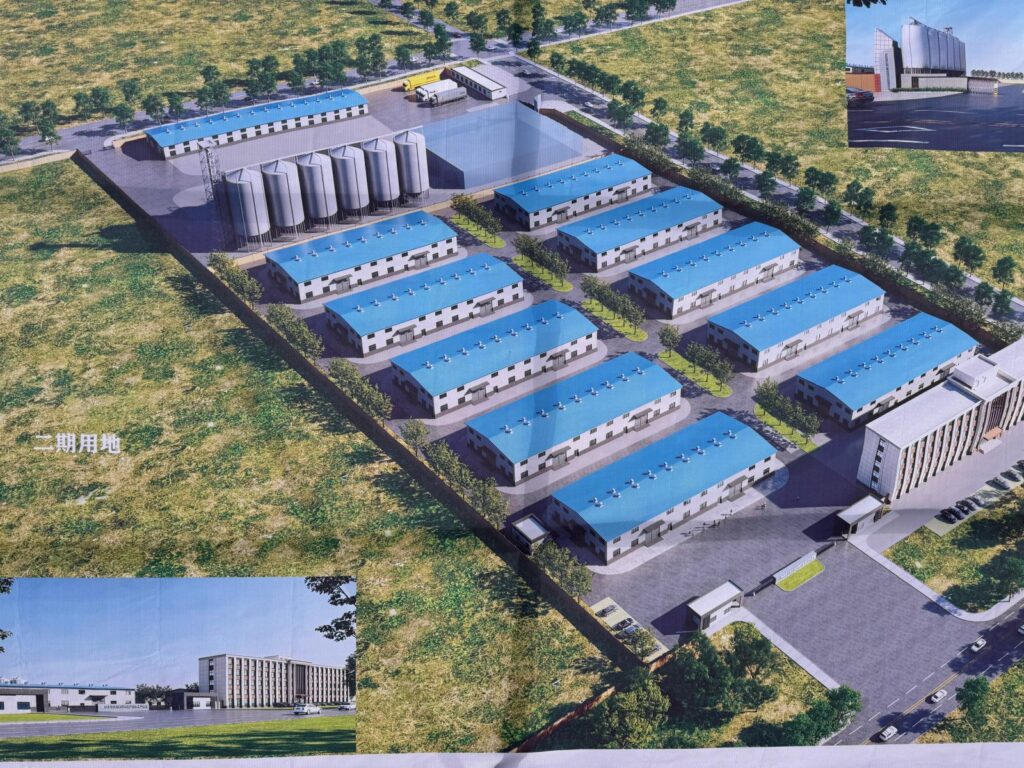
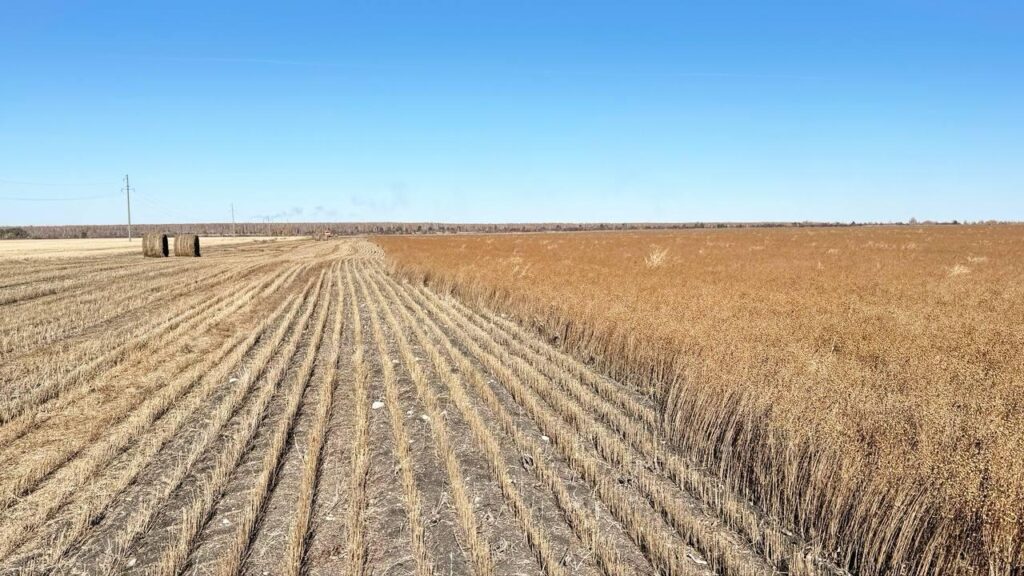
China’s Dalian Hesheng Holdings Group Co., Ltd. plans to establish a vertically integrated industrial park for the deep processing of wheat in Kazakhstan’s Akmola region. The project was discussed on December 18 during a meeting between Kazakhstan’s Prime Minister Olzhas Bektenov and a delegation from the Chinese company. Investments in the project will total $500-$800 million for the initial phase, with an additional $1 billion planned for the second and third phases. The plant will process 1 million tons of wheat annually during the first phase, with capacity increasing to 3 million tons per year in subsequent phases. The initiative is expected to create approximately 2,000 jobs. Construction is set to begin in the second quarter of 2025. The project will also include the construction of a coal-fired thermal power plant and a coal chemical complex capable of producing 150,000–400,000 tons of liquid ammonia annually. Prime Minister Olzhas Bektenov underscored the importance of enhancing wheat processing and expanding the production of high-value-added products. He directed government agencies to expedite the signing of an investment agreement with Dalian Hesheng Holdings. Kazakhstan has significant potential in deep grain processing, harvesting 16-17 million tons of grain annually. More than 260 different high-value-added products, such as bioethanol, gluten, and animal feed, can be derived from processed grain. The Times of Central Asia previously reported that Chinese company Myande Group signed a memorandum of cooperation in July for the construction of a wheat processing plant in Kostanay. That facility will produce amino acids, bioethanol, gluten, animal feed, and wheat bran, further bolstering Kazakhstan’s grain processing sector.