• KGS/USD = 0.01144 0%
  • KZT/USD = 0.00203 0%
  • TJS/USD = 0.10429 -0.38%
  • UZS/USD = 0.00008 0%
  • TMT/USD = 0.28490 0%
  • KGS/USD = 0.01144 0%
  • KZT/USD = 0.00203 0%
  • TJS/USD = 0.10429 -0.38%
  • UZS/USD = 0.00008 0%
  • TMT/USD = 0.28490 0%
  • KGS/USD = 0.01144 0%
  • KZT/USD = 0.00203 0%
  • TJS/USD = 0.10429 -0.38%
  • UZS/USD = 0.00008 0%
  • TMT/USD = 0.28490 0%
  • KGS/USD = 0.01144 0%
  • KZT/USD = 0.00203 0%
  • TJS/USD = 0.10429 -0.38%
  • UZS/USD = 0.00008 0%
  • TMT/USD = 0.28490 0%
  • KGS/USD = 0.01144 0%
  • KZT/USD = 0.00203 0%
  • TJS/USD = 0.10429 -0.38%
  • UZS/USD = 0.00008 0%
  • TMT/USD = 0.28490 0%
  • KGS/USD = 0.01144 0%
  • KZT/USD = 0.00203 0%
  • TJS/USD = 0.10429 -0.38%
  • UZS/USD = 0.00008 0%
  • TMT/USD = 0.28490 0%
  • KGS/USD = 0.01144 0%
  • KZT/USD = 0.00203 0%
  • TJS/USD = 0.10429 -0.38%
  • UZS/USD = 0.00008 0%
  • TMT/USD = 0.28490 0%
  • KGS/USD = 0.01144 0%
  • KZT/USD = 0.00203 0%
  • TJS/USD = 0.10429 -0.38%
  • UZS/USD = 0.00008 0%
  • TMT/USD = 0.28490 0%

Viewing results 1 - 6 of 11

Farmers, Courts, and Investors: Examining Recent Land Disputes in Uzbekistan

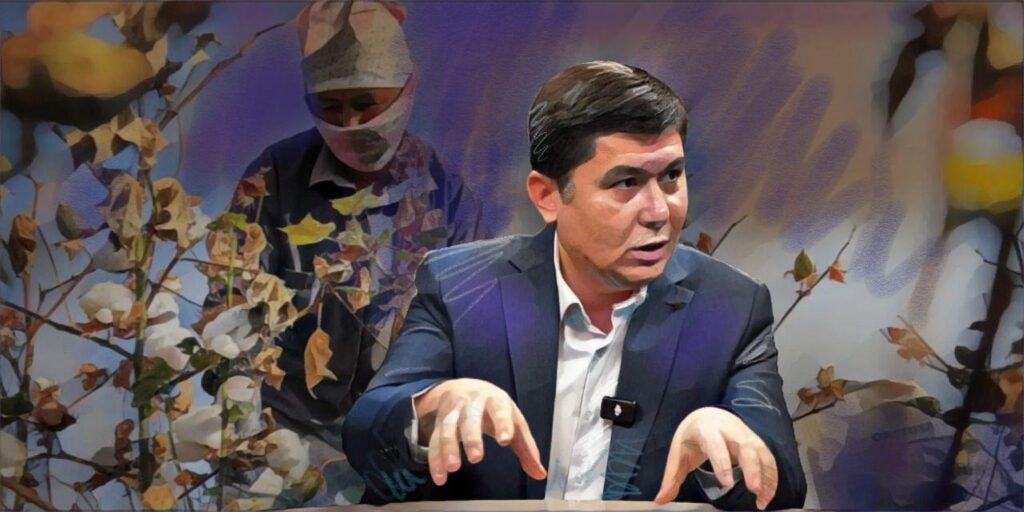
Uzbekistan’s agricultural sector is once again in the spotlight following a recent report by Human Rights Watch and the Uzbek Forum for Human Rights, which raised concerns about the treatment of cotton and wheat farmers under what it describes as a coercive state production system. At the same time, local agricultural representatives argue that the situation is more complex and that recent legal and institutional changes have improved farmers’ ability to defend their rights. The debate intensified earlier this year after complaints from farmers in parts of the Syrdarya region, particularly in the Xovos district, regarding land seizures linked to failure to meet so-called “normative yield” requirements. Komoliddin Ikromov, head of the Agrobiznes Association, has been among the most vocal local figures commenting on these developments. State Plan Abolished, but Normative Yields Remain According to Ikromov, it is important to distinguish between the former state production plan and the current regulatory framework. “There is no state plan now,” he said. “The state order was abolished in 2020. What exists today is the concept of rational land use. If a farm’s yield falls below the normative level for three consecutive years, then the land may be withdrawn, but only through a court decision.” While cotton state procurement was abolished beginning with the 2020 harvest, reforms affecting wheat and grain procurement were phased in and linked to the 2021 harvest. Ikromov referred to Article 36 of the Land Code, which sets out the procedure for termination of land-use rights where land is used irrationally or in violation of law. Detailed criteria — such as persistent underperformance relative to normative yield levels — are established in related regulatory acts rather than in the Land Code text itself. “Under current legislation, the khokim (local governor) cannot independently seize land,” Ikromov said. “The case must be submitted to the court. Only a court can decide.” Ikromov cited reforms adopted beginning in 2022 and subsequently strengthened by presidential measures in 2024, which expanded electronic auction procedures and curtailed direct administrative land allocation. Complaints from Farmers Beginning in January, the Agrobiznes Association started receiving complaints from farmers, mainly in Syrdarya. “I personally received about 50 to 60 appeals,” Ikromov said. “In total, there were more than 100 messages, mostly through Telegram.” According to him, many complaints concerned pressure to voluntarily surrender land leases through notarized statements. Farmers alleged that they were being encouraged or pressured to go to a notary and sign documents relinquishing their land. “These were not isolated cases,” he said. “In some districts, it was widespread. But after the issue was raised publicly, the process shifted. Now cases are going through courts.” Ikromov noted that unusual weather conditions contributed to the problem. Heatwaves and water shortages in 2024 made it difficult for some farmers to meet normative yield levels. In areas like Xovos, where soil fertility is relatively low, he said, agricultural production is already more challenging. Legal Process and Court Outcomes Following public attention, including Ikromov’s interview with the Uzbek outlet Kun.uz, land disputes increasingly...
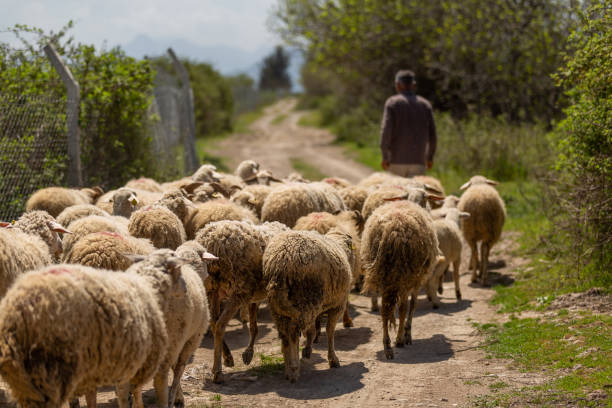
Kazakhstan Considers Lowering Retirement Age for Shepherds and Herders

Kazakhstan is developing a package of social measures aimed at attracting and retaining personnel in the livestock industry, including a proposal to lower the retirement age for shepherds and herders. The initiative was discussed during a meeting of the Public Council under the Ministry of Agriculture, which reviewed the draft Comprehensive Plan for the Development of Agribusiness in the Livestock Sector for 2026-2030. The plan is designed to increase production, improve productivity, and enhance the sector’s export potential. A key focus of the draft is addressing staffing shortages in rural livestock farming, which the ministry has identified as a systemic challenge. According to the Ministry of Agriculture, the proposed support measures include reducing the retirement age for shepherds and herders, providing deferrals from military service, and prioritizing educational grants for their children. Specific retirement age parameters have not yet been disclosed. Currently, men in Kazakhstan retire at 63 and women at 61, with a gradual equalization planned from 2031. At present, certain groups, including mothers of large families, workers in hazardous occupations, military personnel, law enforcement officers, and victims of nuclear testing, are eligible for early retirement. Deputy Minister of Agriculture Amangali Berdalin also announced plans to launch long-term preferential loans at 6% per annum for the purchase of breeding stock for all types of farm animals. Additionally, 5% interest loans are planned to support working capital without sector-specific limitations. These funds can be used for purchasing feed, fuel and lubricants, veterinary drugs, and covering other ongoing production expenses. To reactivate underused pastures, a unified loan product at 6% is being developed to support transhumance livestock farming. All loan programs will be backed by state guarantees. The expansion of social and financial support for livestock farming comes amid rising export performance in the industry. As previously reported by The Times of Central Asia, Kazakh meat producers exported more products in the first ten months of 2025 than in all of 2024.

Turkmen Cotton Farmers Frustrated by Mechanized Harvesting Delays and Losses

In Turkmenistan’s Lebap region, tenant farmers are expressing growing frustration over delayed payments and crop losses linked to the government’s push for mechanized cotton harvesting. While the use of combine harvesters is intended to boost efficiency, many farmers say the reality on the ground is causing financial hardship and lower yields. Delayed Payments Compound Financial Pressure In the Chokhbetde village council of Halach district, farmers were told they would not be paid for cotton harvested by combine machines until the entire campaign is complete. All revenues first go to the State Association for Agricultural Technical Services, Turkmenobakhyzmat, which owns the harvesters. Because accounting is based on the season overall rather than by individual field or tenant, farmers are expected to wait for payment. This delay is particularly painful for rural communities that rely on regular cash flow. A tenant farmer from Mashpaya village noted that pickers brought in from urban areas must be paid every ten days, and the payment postponement makes this increasingly difficult. The core complaint, however, is with the quality of mechanized harvesting itself. “Because the combines are poorly adjusted, 10-15% of the cotton ends up on the ground and must be collected by hand,” the Mashpaya farmer said. “Government employees are brought in for this, and they also need to be paid on time.” Beyond the immediate spillage, poorly calibrated machinery damages the plants: drums crush unopened cotton bolls, preventing them from maturing and leading to permanent yield losses. “Two Shifts” and Self-Funded Repairs Concerns about machinery use and maintenance are longstanding. During preparations for the summer grain harvest in Lebap, each combine at local Obahyzmat units was assigned two operators to run in alternating shifts. However, operators were required to fund maintenance and repairs themselves, even for foreign-made equipment such as John Deere and Case combines. The association only supplied tires, promising that repair costs would be reimbursed after the harvest as part of output-based wages and bonuses. In practice, combine crews absorbed heavy expenses. A machine operator from Bayramaly district described frequent technical failures: broken cutter bars, damaged threshing drum pulleys, faulty bearings, and worn connecting rods. “My colleague and I have already borrowed and spent 15,000 manats each, $4,300 at the official exchange rate, or $769 on the black market, just on spare parts,” he said. While some parts are now being produced locally, a repair facility in Turkmenabat has reportedly exceeded production targets for farm machinery components, these improvements have yet to reach most farmers. For now, the burden of keeping equipment running falls largely on the operators and tenant farmers themselves, with financial relief promised only at the end of the harvest season.

East Kazakhstan Researchers Use AI and Drones to Boost Soil and Crop Management

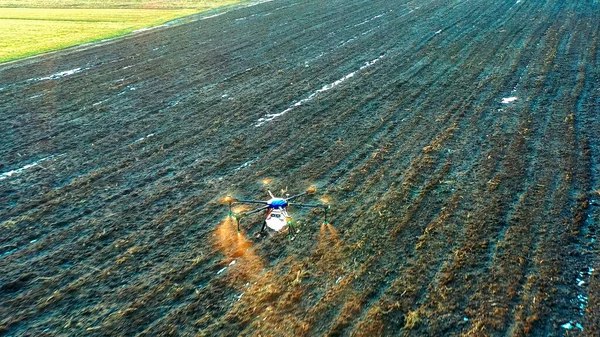
Researchers at Sarsen Amanzholov University in Ust-Kamenogorsk, East Kazakhstan, have developed a digital system that integrates drone imagery with artificial intelligence (AI) to assess soil quality and crop health with high precision. The system enables farmers to monitor soil and plant conditions in ways previously inaccessible. Drones equipped with multispectral cameras capture images across five spectral bands: red, blue, green, near-infrared, and mid-infrared. “This approach makes it possible to ‘see’ what is invisible to the human eye, soil moisture levels, chlorophyll content, early signs of plant disease, or land degradation,” said Almasbek Maulit, a researcher at Sarsen Amanzholov University. “AI algorithms analyze the images, differentiate between crops and weeds, identify patterns of spread, and even generate automatic maps of infected areas. This enables farmers to take targeted action from local treatment of problem zones to adjusting crop rotation or cultivation methods.” The system offers several key benefits: Optimized use of fertilizers and plant protection products, reducing costs Early detection of problems, minimizing crop losses Improved profitability through better sowing and crop management strategies Reliable land quality assessments for investors and state authorities The project is part of Kazakhstan’s broader strategy to integrate high-tech solutions into agriculture, a sector that remains a cornerstone of the national economy. Earlier this year, The Times of Central Asia reported that engineers in Karaganda unveiled prototypes of drones designed for public safety applications. By merging AI with drone-based imaging, scientists in East Kazakhstan are helping to position the country’s agribusiness sector for smarter, more sustainable practices and long-term growth.

Kazakhstan Explores Agro-Drones to Revolutionize Agriculture

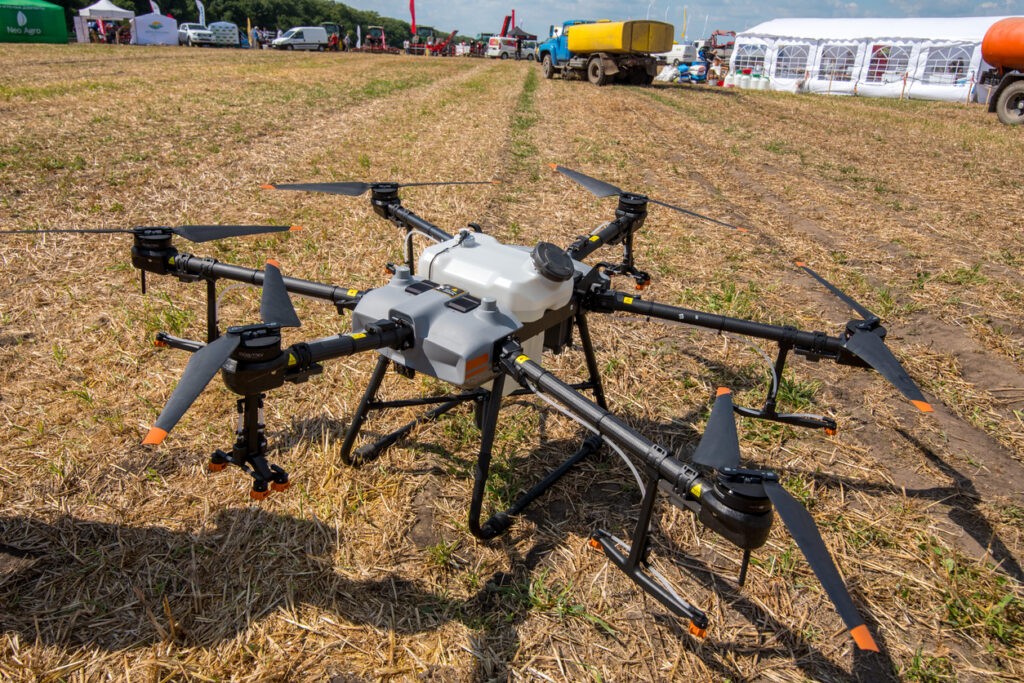
The potential of drones to transform agriculture in Kazakhstan was a key topic at a government meeting on November 26. Officials discussed the environmental and economic advantages of adopting agro-drones over traditional spraying equipment. International examples demonstrate that agro-drones can significantly reduce water usage, lower CO2 emissions, and access hard-to-reach areas more effectively. Sanzhar Nurgazinov, representing a company that operates agro-drones, highlighted their efficiency: while wheeled sprayers require 150 liters of water per hectare—amounting to 750,000 liters for 5,000 hectares—a drone uses just 50,000 liters for the same area, reducing water consumption more than 15-fold. Additionally, drones prevent the 6% crop loss caused by the tracks of wheeled sprayers, ensuring higher harvest yields. To advance drone adoption, Kazakhstan’s Ministry of Agriculture has partnered with the Chinese company Eavision to import 80 drones for pest and disease management. Furthermore, a joint venture, Sunkar Eavision International LLP, has been established to assemble drones locally in the Alatau Special Economic Zone near Almaty. The Ministry has been tasked with creating a roadmap by February 2025 for integrating agro-drones into the country’s agricultural practices. This plan includes establishing service centers, training specialists, and developing financial support programs to help farmers acquire this cutting-edge technology. By embracing agro-drones, Kazakhstan aims to modernize its agricultural sector, boosting efficiency and sustainability while addressing the challenges of water conservation and crop protection.

Farmers’ Support Centers Open in Kyrgyzstan

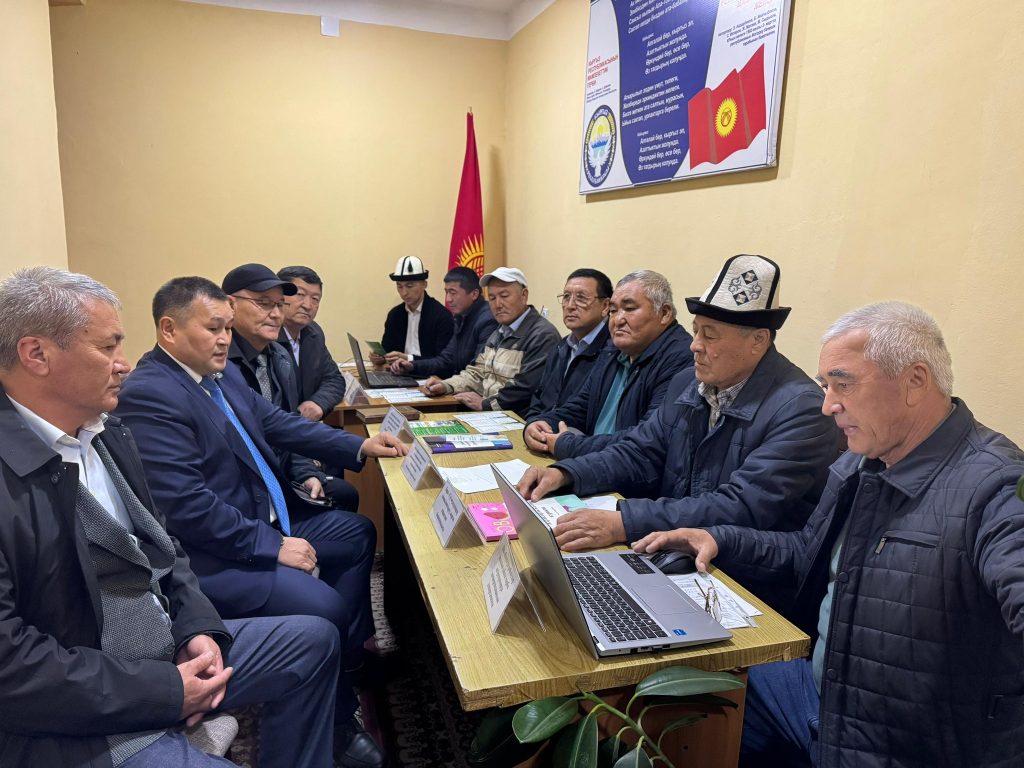
Kyrgyzstan has opened city support centers for farmers to get up-to-date information from agricultural specialists, from how to plant seeds to how to get subsidies. Experts say that Kyrgyz farmers are often unable to use modern technology, which increases production costs. Five centers have been opened across the country. The project's primary goal is to create an information platform for farmers. The most common questions are what products are best to produce in specific areas, what seeds are needed, and how best to market finished products. Farmers are also interested in leasing agricultural equipment and obtaining loans from state banks. Mirkasym Alakhveranov, a long-time farmer and owner of a beet farm in Chui region, told The Times of Central Asia about the problems of Kyrgyz farmers. “We need farmer schools or advisory centers. Not everyone is ready to grow food according to all the rules. Besides, something new is emerging daily: science is moving forward, mechanization is improving, and chemistry is improving. And the country needs specialists who would follow all this and could explain it to the peasant,” Alakhveranov said. He said many non-professionals in Kyrgyz agriculture today need more knowledge. However, they desire to improve farming. In addition, farmers need more technical knowledge: most need to understand modern equipment. “There is a lack of modern agricultural machinery; farmers suffer losses. They cannot pay the loan for leasing, so they go bankrupt. Most companies selling special equipment do not train buyers to work with the equipment. We need to teach young people how to use modern machines, so they learn to use them confidently,” Alakhveranov said. Another problem plaguing Kyrgyzstan's agricultural sector is small-scale farming. Importers from Russia and Kazakhstan, where most agricultural products go, need large volumes of goods. The new support centers could raise awareness of Alakhveranov's beliefs on this issue and persuade farmers to join cooperatives.